AI Demand Forecasting for Hospitality Inventory Control
Transform your hospitality inventory control with AI demand forecasting. Reduce waste by 25-40%, improve cash flow, and free up management time for guest experience.
Contents
A hotel restaurant that overstocks fresh produce eats the spoilage cost. One that understocks disappoints guests and loses the sale. AI demand forecasting narrows that gap by weighing seasonal patterns, local events and weather together, not one at a time. Cloud-based AI demand forecasting starts from $250 to $400 a month for a small hospitality operation.
Traditional forecasting methods rely heavily on historical data and manual adjustments. Restaurant managers spend hours analysing spreadsheets, trying to predict how many steaks they’ll need for next week or whether that conference booking will actually translate into increased breakfast demand. Meanwhile, housekeeping departments struggle to forecast linen requirements, and bars attempt to predict which wines will be popular during the upcoming festival season.
These inventory challenges consume enormous amounts of management time in the hospitality businesses I advise, whilst still producing frustratingly inaccurate results. The good news is that AI-powered demand forecasting is transforming how hotels, restaurants, and other hospitality businesses approach inventory control, delivering both significant time savings and measurable improvements in profitability.
Understanding AI Demand Forecasting
AI demand forecasting uses machine learning algorithms to analyse vast amounts of historical and real-time data, identifying patterns that human analysis might miss. Unlike traditional forecasting methods that rely on simple trend analysis, AI systems can simultaneously consider hundreds of variables: past sales data, booking patterns, weather forecasts, local events, social media sentiment, and even broader economic indicators.
The technology works by training algorithms on your historical data whilst continuously learning from new information. A restaurant’s AI system might recognise that rainy Tuesday evenings typically see 30% higher soup orders, or that bookings increase by 15% when a particular artist performs at the local venue. These insights become increasingly sophisticated as the system processes more data.
For hospitality businesses, this means moving from reactive inventory management to predictive planning. Instead of ordering based on last week’s sales plus a safety margin, you’re ordering based on intelligent predictions that account for dozens of demand drivers you might never have considered.
The practical benefits extend beyond just having the right stock levels. When your forecasting becomes more accurate, you can negotiate better terms with suppliers, reduce storage costs, minimise waste, and free up cash flow that was previously tied up in excess inventory.
Current State of Hospitality Inventory Challenges
Traditional inventory management in hospitality relies heavily on experience, intuition, and basic trend analysis. A chef might order produce based on last month’s usage, adjusted for upcoming bookings and their gut feeling about demand. This approach worked reasonably well when markets were more predictable, but today’s hospitality environment presents far more complexity.
Hospitality businesses typically carry excess inventory to avoid stockouts, representing a cash flow burden. This conservative approach stems from the high cost of running out of critical items. A hotel that runs out of towels or a restaurant that can’t serve its signature dish faces immediate guest dissatisfaction and potential revenue loss.
The manual processes involved in traditional forecasting also consume substantial management time. Restaurant managers lose a substantial slice of every week to inventory-related tasks: reviewing sales data, checking stock levels, placing orders, and adjusting for upcoming events. For hotel operations, this time investment multiplies across departments: housekeeping, food and beverage, maintenance, and guest services all maintain separate inventory systems with their own forecasting challenges.
Seasonal variations add another layer of complexity. A seaside hotel experiences dramatic demand swings between summer and winter months, but within those seasons, weekly patterns vary based on weather, local events, and changing guest demographics. Traditional forecasting methods struggle to capture these nuanced patterns whilst remaining practical for day-to-day operations.
Food waste represents a particularly acute challenge for restaurants and hotel dining operations. Restaurants typically waste food inventory due to over-ordering, spoilage, and changing menu preferences. This waste directly impacts profitability whilst also creating environmental concerns that increasingly matter to both guests and staff.
Benefits of AI-Powered Demand Forecasting
The transformation that occurs when hospitality businesses implement AI demand forecasting extends far beyond simple inventory optimisation. The most immediate benefit is dramatically improved forecast accuracy. Whilst traditional methods might achieve 60-70% accuracy in predicting demand, well-implemented AI systems routinely achieve 85-90% accuracy within months of deployment.
This accuracy improvement translates directly into cost savings. Restaurants reduce food waste by 25-40% when they can predict demand more precisely. Hotels optimise their linen inventory, reducing laundry costs whilst ensuring adequate supplies during peak periods. Bars minimise overstocking of slow-moving wines whilst ensuring popular selections remain available.
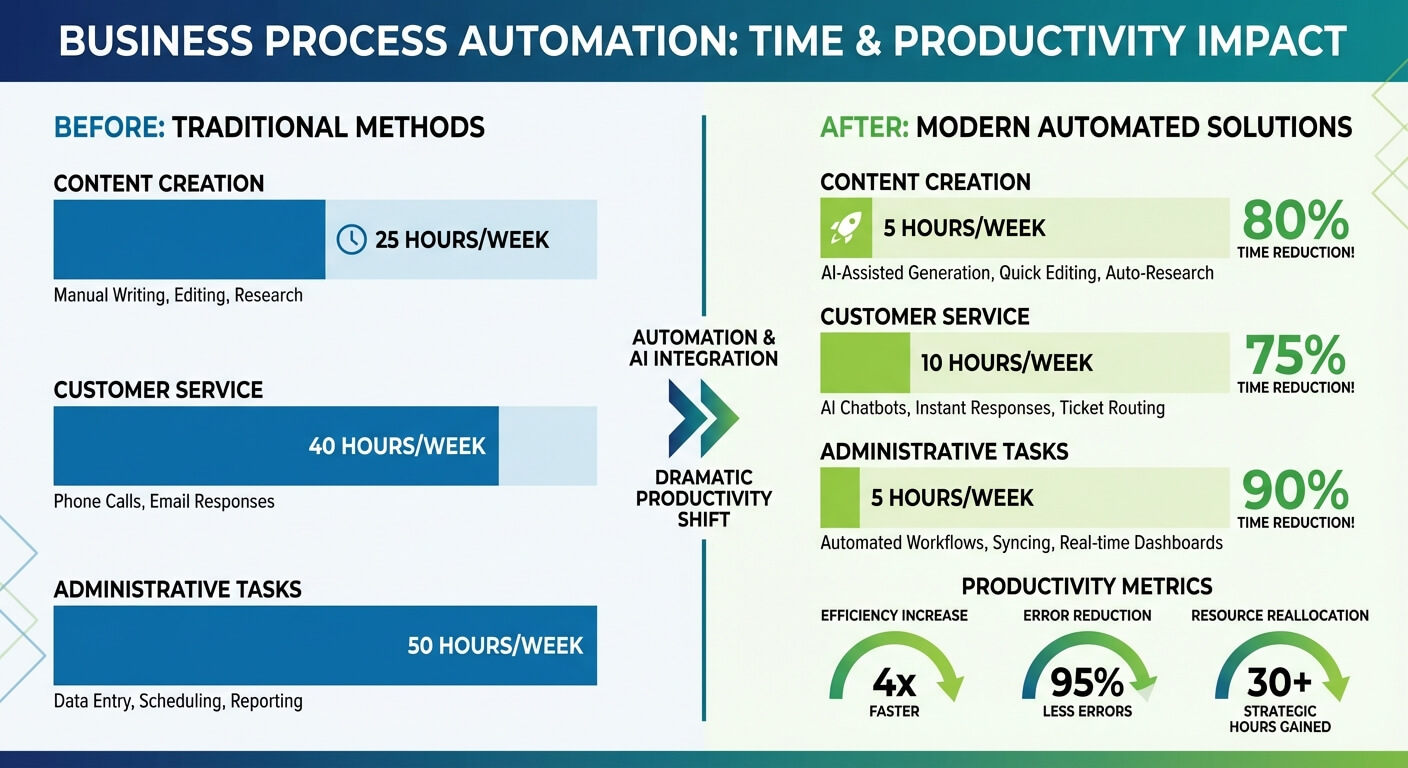
The time savings for management teams are equally significant. Tasks that previously required hours of manual analysis become automated, freeing managers to focus on guest experience, staff development, and strategic planning. A restaurant manager who previously spent two hours daily on inventory planning might reduce this to 30 minutes of reviewing AI-generated recommendations and making final adjustments.
Cash flow improvements often surprise business owners with their magnitude. When you’re carrying 25% less inventory whilst maintaining the same service levels, the cash previously tied up in excess stock becomes available for other investments: marketing campaigns, equipment upgrades, or staff training programmes.
Revenue protection represents another crucial benefit. AI systems can predict demand spikes with enough lead time to adjust orders appropriately. A hotel restaurant that receives advance warning of increased bookings can ensure adequate staffing and ingredients, avoiding the revenue loss that occurs when you can’t accommodate demand.
Supplier relationships also improve when your ordering becomes more predictable and accurate. Suppliers prefer customers who place consistent, well-planned orders rather than those who frequently place emergency rush orders or cancel deliveries. This improved relationship often translates into better pricing, priority service, and more flexible payment terms.
Key Technologies and Approaches

Machine learning forms the foundation of effective AI demand forecasting, but the specific approaches vary based on business needs and data availability. Time series forecasting algorithms excel at identifying patterns in historical sales data, seasonal trends, and cyclical behaviour. These systems can recognise that your restaurant sells 40% more seafood during Lent or that hotel occupancy follows predictable patterns around local university graduations.
Deep learning neural networks handle more complex pattern recognition, particularly useful when multiple variables interact in non-obvious ways. A hotel’s neural network might discover that room service breakfast orders increase by 20% when the previous evening’s weather was rainy, local restaurants were fully booked, and the hotel bar saw above-average activity. These multi-factor correlations would be virtually impossible to identify through manual analysis.
Real-time data integration represents a crucial capability for hospitality applications. Effective AI forecasting systems continuously ingest data from multiple sources: your property management system, point-of-sale systems, weather services, local event calendars, and even social media sentiment. This real-time approach allows the system to adjust predictions as conditions change.
External data sources significantly enhance forecasting accuracy. Weather data helps predict demand for seasonal menu items, whilst local event information indicates when you might see unusual booking patterns. Some systems integrate economic indicators, tourist arrival statistics, and even flight delay information to refine their predictions.
Ensemble methods combine multiple forecasting algorithms to produce more robust predictions. Rather than relying on a single approach, these systems might combine time series analysis with neural networks and external data correlations, using each method’s strengths whilst compensating for individual weaknesses.
Cloud-based platforms make these sophisticated technologies accessible to smaller hospitality businesses. Instead of requiring substantial IT infrastructure and data science expertise, modern AI forecasting solutions operate as software-as-a-service platforms that integrate with existing systems and provide user-friendly interfaces for non-technical staff.
Implementation Strategies for Different Hospitality Segments
Restaurants face unique forecasting challenges due to menu complexity, perishable ingredients, and varying preparation times. Successful AI implementation typically begins with high-volume, high-value items where forecast accuracy delivers the greatest impact. A restaurant might start by forecasting demand for expensive proteins like beef and seafood, then gradually expand to include vegetables, dairy products, and dry goods.
Menu engineering data becomes particularly valuable when integrated with demand forecasting. The system learns not just how many customers you’ll serve, but what they’re likely to order based on day of week, weather conditions, season, and price points. This granular approach allows precise ingredient forecasting rather than broad category predictions.
Hotels require more complex forecasting systems due to multiple revenue streams and departments. Room occupancy forecasting forms the foundation, but effective systems also predict restaurant covers, spa appointments, conference room usage, and ancillary service demand. The interconnected nature of hotel operations means that accurate room forecasting improves inventory planning across all departments.
Event venues present particularly challenging forecasting scenarios due to irregular booking patterns and varying event types. AI systems must learn to differentiate between wedding receptions, corporate conferences, and birthday parties, each with distinct catering requirements, service patterns, and guest behaviour. Historical event data becomes crucial for training these systems effectively.
Pubs and bars benefit from AI forecasting that accounts for sports schedules, weather patterns, and local events. A system might predict that Premier League matches increase beer consumption by 60% whilst reducing wine sales by 20%. Weather integration helps forecast demand for outdoor seating areas and seasonal beverages.
Catering operations require forecasting systems that can handle irregular order patterns and varying customer requirements. The AI must predict not just volume but also the mix of menu items, dietary restrictions, and service styles that different clients prefer. This complexity requires sophisticated pattern recognition and careful data preparation.
Integration with Existing Systems
Successful AI forecasting implementation requires seamless integration with your existing technology infrastructure. Most hospitality businesses operate multiple systems: property management systems, point-of-sale terminals, inventory management software, and accounting platforms. Effective system integration ensures that data flows automatically between these platforms without manual intervention.
API connections form the technical backbone of system integration, allowing different software platforms to share data in real-time. Your AI forecasting system needs access to historical sales data, current inventory levels, booking information, and external data sources. Well-designed integrations make this data exchange invisible to staff whilst ensuring accuracy and timeliness.
Data quality becomes crucial when integrating multiple systems. Inconsistent product codes, duplicate entries, and missing information can significantly impact forecasting accuracy. During implementation, businesses often discover data hygiene issues that require attention before the AI system can produce reliable predictions.
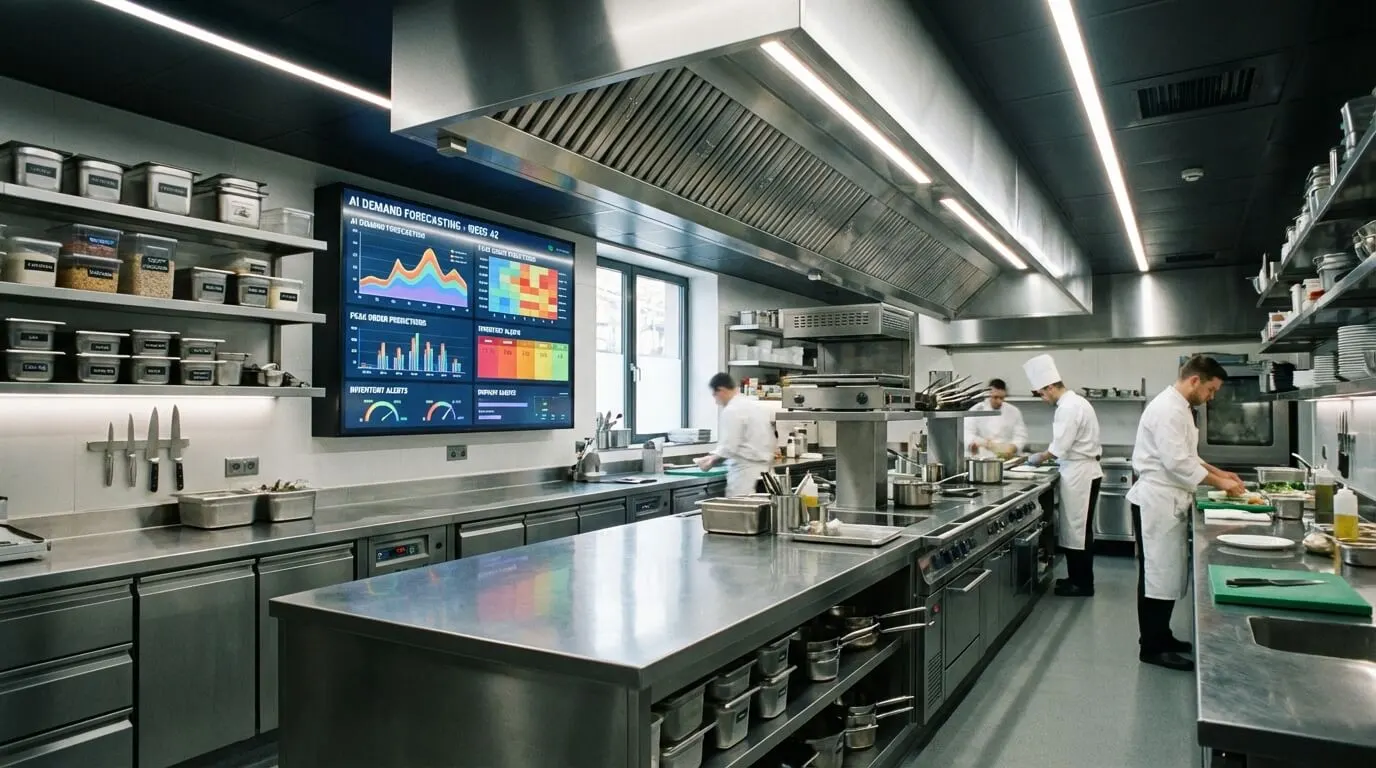
Staff training requirements vary depending on system complexity and user interfaces. The most effective implementations provide simple dashboards that present forecasting results and recommendations without requiring technical expertise. Managers should be able to review predictions, understand the reasoning behind recommendations, and make adjustments when necessary.
Change management represents a critical success factor that’s often underestimated. Staff who’ve relied on experience and intuition for ordering decisions may initially resist AI recommendations. Successful implementations include training programmes that help staff understand how the system works and demonstrate its benefits through pilot programmes with measurable results.
Measuring Success and ROI
Quantifying the return on investment from AI demand forecasting requires tracking multiple metrics across different timeframes. Immediate improvements often appear in inventory turnover rates, waste reduction, and stockout frequency. These operational metrics provide early indicators of system effectiveness whilst broader financial benefits develop over time.
Inventory carrying costs typically decrease within the first quarter of implementation as forecasting accuracy improves. Businesses often see 15-25% reductions in average inventory levels whilst maintaining or improving service levels. This improvement frees up working capital that can be reinvested in business growth or used to improve cash flow.
Waste reduction metrics vary by business type but consistently show significant improvements. Restaurants commonly achieve 20-30% reductions in food waste within six months, whilst hotels see similar improvements in linen, amenities, and maintenance supplies. These savings directly impact profitability whilst also supporting sustainability goals.
Staff productivity improvements become apparent as managers spend less time on manual forecasting tasks and more time on strategic activities. The time saved on inventory planning can be redirected toward guest service, staff development, or revenue-generating activities. Many businesses find that this productivity gain justifies the AI investment even before considering direct cost savings.
Revenue protection through improved availability represents another crucial ROI component. When you can predict demand spikes accurately, you avoid the revenue loss that occurs when popular items are unavailable. This benefit is particularly significant for restaurants with signature dishes or hotels during peak booking periods.
Guest satisfaction scores often improve as AI forecasting reduces stockouts and enables more consistent service delivery. When your restaurant consistently has menu items available or your hotel maintains adequate amenities, guest experience improves even if they never realise AI was involved.
Common Implementation Challenges

Data quality issues represent the most frequent obstacle to successful AI forecasting implementation. Many hospitality businesses discover that their historical data contains gaps, inconsistencies, or errors that must be addressed before effective forecasting becomes possible. Product codes might vary between systems, seasonal menu changes create discontinuous data series, and manual data entry errors introduce noise that confounds pattern recognition.
Staff resistance often emerges when experienced managers feel that AI systems challenge their expertise and decision-making authority. Successful implementations address this concern through collaborative approaches that position AI as a decision support tool rather than a replacement for human judgment. Training programmes that explain how the system works and demonstrate its limitations help build confidence and acceptance.
Integration complexity can overwhelm businesses with limited IT resources. Connecting AI forecasting systems to existing property management, point-of-sale, and inventory systems requires careful planning and often involves working with multiple software vendors. Clear project management and realistic timelines help navigate these technical challenges whilst maintaining business operations.
Unrealistic expectations about implementation timeframes and immediate results create disappointment and project abandonment. AI systems require time to learn patterns from historical data and achieve optimal accuracy. Most implementations show initial improvements within 4-6 weeks but require 3-6 months to reach full effectiveness. Setting appropriate expectations prevents premature judgment about system performance.
Cost concerns often focus on initial implementation expenses without considering long-term benefits. Whilst AI forecasting systems require upfront investment in software, integration, and training, the ongoing operational benefits typically justify costs within 6-12 months. Businesses that focus solely on acquisition costs without calculating operational savings often make poor decisions about system adoption.
Ongoing system maintenance and optimisation require dedicated attention that some businesses underestimate. AI forecasting systems need regular review of prediction accuracy, periodic retraining with new data, and adjustment for business changes like menu updates or seasonal shifts. Businesses that treat AI systems as “set and forget” solutions often experience declining performance over time.
Future Developments and Trends
The integration of Internet of Things sensors with AI forecasting systems promises even greater accuracy and automation. Smart refrigerators that monitor food temperatures and usage patterns, connected scales that track ingredient consumption in real-time, and sensors that detect crowd density in dining areas all contribute data that enhances demand predictions. These technologies are moving from experimental to practical implementation as costs decrease and reliability improves.
Advanced analytics incorporating social media sentiment, review platform feedback, and local economic indicators provide increasingly sophisticated demand insights. AI systems are learning to correlate restaurant reviews mentioning specific dishes with future demand patterns, or to predict booking surges based on positive social media coverage of local attractions.
Sustainability metrics are becoming integrated into forecasting algorithms as businesses prioritise environmental responsibility alongside profitability. Modern AI systems can optimise inventory levels not just for cost and availability, but also for carbon footprint, packaging waste, and local sourcing preferences. This capability appeals to environmentally conscious consumers whilst often reducing costs through waste elimination.
Mobile integration and voice-activated interfaces are making AI forecasting systems more accessible to busy hospitality managers. Instead of requiring computer access to review predictions, managers can receive updates via smartphone notifications or query the system using voice commands whilst walking through their property.
Collaborative forecasting platforms that share anonymised demand data across similar businesses in a region are emerging as powerful tools for small and medium hospitality operators. A restaurant might benefit from learning that similar establishments in the area are predicting increased demand for vegetarian options, even without sharing specific sales data or competitive information.
Choosing the Right AI Solution
Selecting an appropriate AI forecasting solution requires careful evaluation of your business needs, technical capabilities, and growth objectives. Start by documenting your current forecasting process, identifying specific pain points, and quantifying the cost of inaccurate predictions. This baseline assessment helps you evaluate potential solutions and measure improvement after implementation.
Integration capabilities should be a primary selection criterion, particularly the system’s ability to connect with your existing technology infrastructure. Solutions that require extensive custom development or manual data entry are likely to create ongoing operational burden and higher total cost of ownership. Look for systems with pre-built connectors to common hospitality software platforms.
User interface design significantly impacts system adoption and ongoing effectiveness. The most sophisticated AI algorithms are useless if managers find the system difficult to navigate or understand. Effective solutions present complex predictions through intuitive dashboards that highlight key recommendations and provide clear explanations for unusual forecasts.
Scalability considerations become important as your business grows or adds locations. A solution that works well for a single restaurant might not accommodate a multi-location operation, whilst enterprise platforms might be unnecessarily complex for small businesses. Consider your growth plans and select systems that can accommodate future expansion without requiring complete replacement.
Vendor support and training programmes vary significantly between AI forecasting providers. Implementation support, ongoing technical assistance, and user training can determine the difference between successful adoption and system abandonment. Evaluate vendor credentials, customer references, and support policies before making final selection decisions.
Pricing models range from simple monthly subscriptions to complex usage-based fees that scale with transaction volume or forecast requests. Consider both initial costs and ongoing expenses, including integration fees, training costs, and potential customisation requirements. The lowest initial price rarely represents the best long-term value when total cost of ownership is calculated properly.
Getting Started with Implementation
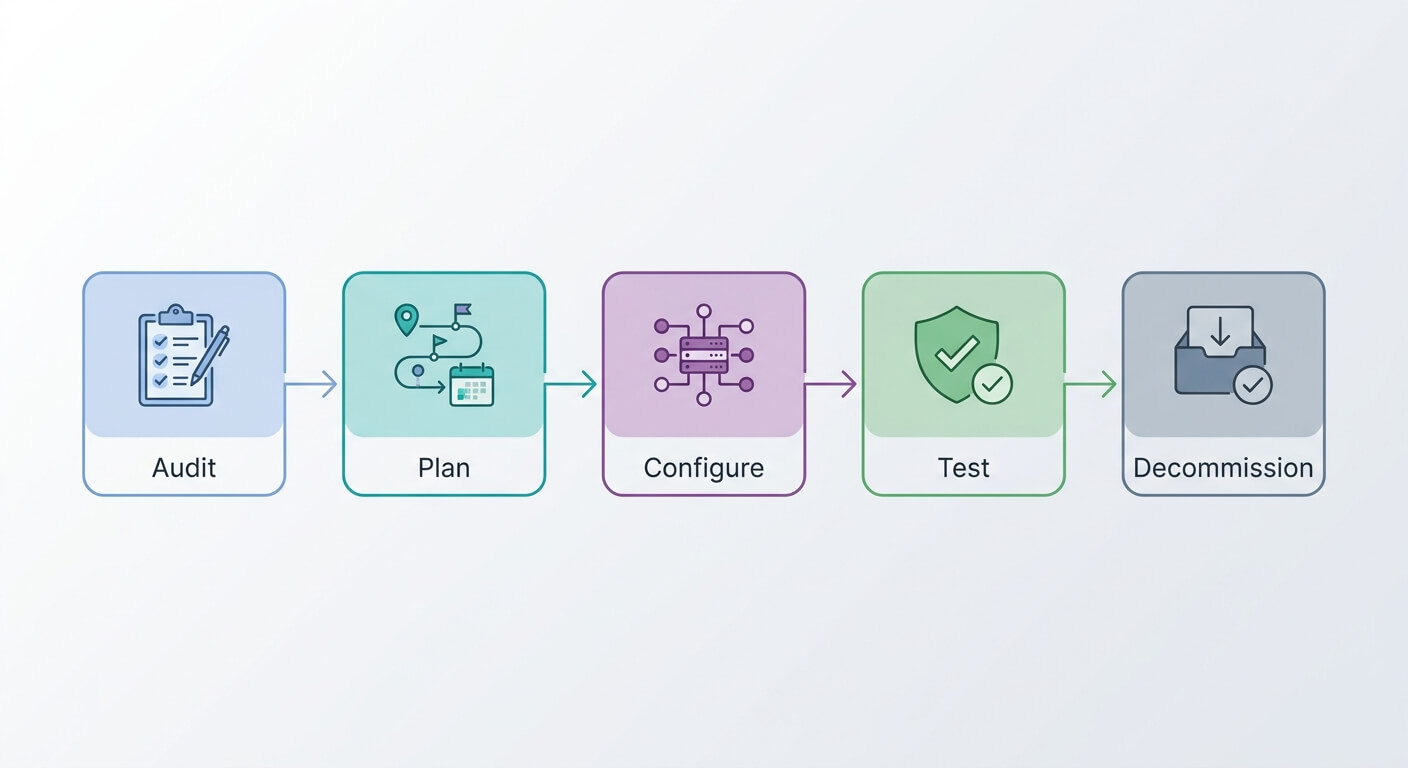
Beginning your AI forecasting journey requires careful planning and realistic expectations about timelines and outcomes. Start with a comprehensive audit of your current inventory management processes, identifying specific areas where improved forecasting would deliver the greatest benefit. This might be high-waste food categories, expensive ingredients with long lead times, or items that frequently stock out during busy periods.
Data preparation often represents the most time-consuming aspect of implementation. Gather at least 12-18 months of historical sales data, ensuring that product codes are consistent and seasonal variations are represented. Clean data that removes obvious errors whilst preserving legitimate outliers that represent important demand patterns. Many businesses discover data quality issues during this phase that require attention before AI training can begin.
Pilot programmes provide valuable learning opportunities whilst limiting risk and cost. Consider starting with a single product category or department where you can measure results clearly and build confidence in the system. Successful pilots demonstrate tangible benefits that support broader implementation whilst identifying potential challenges before they affect critical operations.
Staff engagement throughout the implementation process ensures smoother adoption and better long-term results. Include key managers in system selection, provide comprehensive training on both technical operation and underlying concepts, and establish clear procedures for reviewing and acting on AI recommendations. The most sophisticated forecasting system fails if staff don’t understand or trust its output.
Working with experienced implementation partners can significantly improve your chances of success whilst reducing internal resource requirements. Look for partners with specific hospitality industry experience who understand your operational constraints and can provide strategic consulting that aligns AI capabilities with business objectives.
Ongoing optimisation and system refinement continue long after initial implementation. Schedule regular reviews of forecast accuracy, adjust algorithms for business changes, and incorporate new data sources as they become available. Successful AI forecasting requires continuous attention rather than one-time setup, but the operational benefits justify this ongoing investment through improved efficiency and profitability.
The transformation from traditional inventory management to AI-powered demand forecasting represents more than just a technology upgrade. It’s a fundamental shift toward data-driven decision making that reduces waste, improves cash flow, and frees management time for activities that directly enhance guest experience. For hospitality businesses facing increasingly complex operating environments and margin pressures, AI forecasting offers a practical path toward operational excellence that delivers measurable results whilst supporting sustainable growth.
Frequently Asked Questions
How long does it take to implement AI demand forecasting in a hospitality business?
Implementation timelines vary based on business complexity and data readiness, but most hospitality businesses can expect 4-8 weeks for initial deployment. The system requires 3-6 months to reach optimal forecasting accuracy as it learns from your operational patterns. Restaurants with simpler operations and clean historical data often see meaningful improvements within the first month, whilst multi-department hotels may require longer implementation periods. The key factor affecting timeline is data preparation, businesses with well-organised historical sales data and consistent product coding can accelerate implementation significantly.
What happens if the AI system makes incorrect predictions?
AI forecasting systems include confidence intervals and alert mechanisms when predictions fall outside normal patterns. Managers maintain override capabilities to adjust orders based on information the system might not have, such as unexpected private events or supplier issues. Most platforms learn from these manual adjustments, incorporating manager expertise into future predictions. The goal isn’t perfection but rather significant improvement over traditional methods, even with occasional errors, AI systems typically achieve 85-90% accuracy compared to 60-70% with manual forecasting. Regular monitoring and feedback loops help identify systematic issues that require algorithm adjustment.
Can small independent restaurants benefit from AI forecasting or is it only for large chains?
Small independent restaurants often see proportionally greater benefits from AI forecasting because they operate with tighter margins and less buffer capacity. Modern cloud-based solutions have made the technology accessible at reasonable price points, typically starting from $250-400 monthly for small operations. Single-location restaurants benefit from reduced waste, better cash flow, and time savings that allow owners to focus on guest experience rather than spreadsheet analysis. The key is selecting solutions designed for small operators rather than enterprise systems that require dedicated IT resources.
How does AI forecasting handle unexpected events like sudden weather changes or local emergencies?
Advanced AI forecasting systems integrate real-time data feeds including weather forecasts, local event calendars, and news sources to adjust predictions dynamically. When weather forecasts change, the system recalculates demand based on historical patterns during similar conditions. For genuinely unprecedented events, most platforms include rapid-response features that allow managers to input adjustments whilst the AI learns new patterns. Systems also typically flag unusual predictions for manager review, ensuring that human judgment supplements AI capabilities during extraordinary circumstances.
What data privacy considerations should hospitality businesses consider when implementing AI forecasting?
AI forecasting systems primarily use operational data (sales volumes, booking patterns, inventory levels) rather than personal customer information, minimising privacy concerns. However, businesses should verify that vendors comply with UK GDPR requirements and understand where data is stored and processed. Most reputable solutions keep data encrypted both in transit and at rest, maintain clear data ownership policies, and provide options for on-premises deployment if required. When integrating external data sources like social media sentiment, ensure appropriate anonymisation and aggregation methods protect individual privacy whilst still enabling effective forecasting.