Cloud Cost Control: Implementing FinOps Before Bills Spiral
Learn how to implement FinOps practices to control spiraling cloud costs. Discover early warning signs, essential tools, and proven strategies for optimising cloud spending.

Contents
Cloud bills that creep up with no matching increase in usage are not random, they are the predictable result of no one owning consumption. Left unmanaged, that overspend compounds every month until it is eating into margin. The automation that fixes this, scheduled shutdowns, tagging enforcement, spend alerts, is priced as a fixed project, from US$450 for a single workflow, well below what a single quarter of unmanaged drift usually costs.
Understanding FinOps: Financial Operations for Cloud
FinOps is the practice of bringing financial accountability to cloud spending through data-driven decisions and cross-functional collaboration. Unlike traditional IT budgeting where costs are fixed and predictable, cloud services operate on a consumption model where every click, storage request, and compute cycle generates a charge.
The challenge isn’t technical complexity, it’s visibility. Most small businesses migrate to cloud services for their obvious benefits: scalability, reduced hardware costs, and simplified maintenance. However, they often discover too late that without proper monitoring, cloud bills can spiral beyond their original projections.
I’ve worked with businesses whose monthly cloud costs tripled within six months of migration, not because they were using more services, but because they weren’t optimising what they already had. The problem isn’t the cloud itself, it’s the lack of structured approach to managing consumption.
The Hidden Costs That Catch Businesses Off Guard
Cloud billing models are designed to encourage adoption, which means they often appear deceptively affordable at first glance. The real costs emerge in three main areas: data transfer charges, storage inefficiencies, and compute waste.
Data transfer charges accumulate when information moves between different cloud regions or back to your premises. A business might choose a cloud provider based on attractive storage rates, only to discover that accessing that data regularly generates substantial transfer fees. These costs are often buried in complex pricing matrices that require technical expertise to interpret properly.
Storage inefficiencies develop when businesses treat cloud storage like unlimited local drives. Analysis suggests that companies typically store more data than necessary in cloud environments, paying premium rates for immediate access to information that’s rarely retrieved.
Compute waste occurs when virtual machines and services continue running outside business hours or beyond project completion. Unlike physical servers that represent a fixed cost whether they’re used or not, cloud computing charges accumulate continuously. A development server left running over a weekend can generate the same costs as a production system serving actual customers.
Early Warning Signs Your Cloud Costs Are Spiraling
The first indicator isn’t usually the bill itself, but rather the unpredictability of monthly charges. If your cloud costs vary by more than 20% month-to-month without corresponding changes in business activity, you likely lack proper consumption controls.
Unexpected scaling events represent another significant warning sign. Auto-scaling features are designed to handle traffic spikes automatically, but without proper limits, a minor system error or unexpected traffic surge can trigger expensive scaling events that continue until manually stopped.
Development and testing environments often become cost centres rather than supporting functions. Teams create multiple testing environments for different projects, then forget to decommission them when work completes. These environments can run indefinitely, generating costs that may exceed production systems.
Data egress charges frequently surprise businesses during their first major data migration or backup operation. Moving substantial amounts of data out of cloud storage incurs charges that can dwarf the original storage costs, particularly if the transfer wasn’t planned strategically.
Building Your FinOps Framework
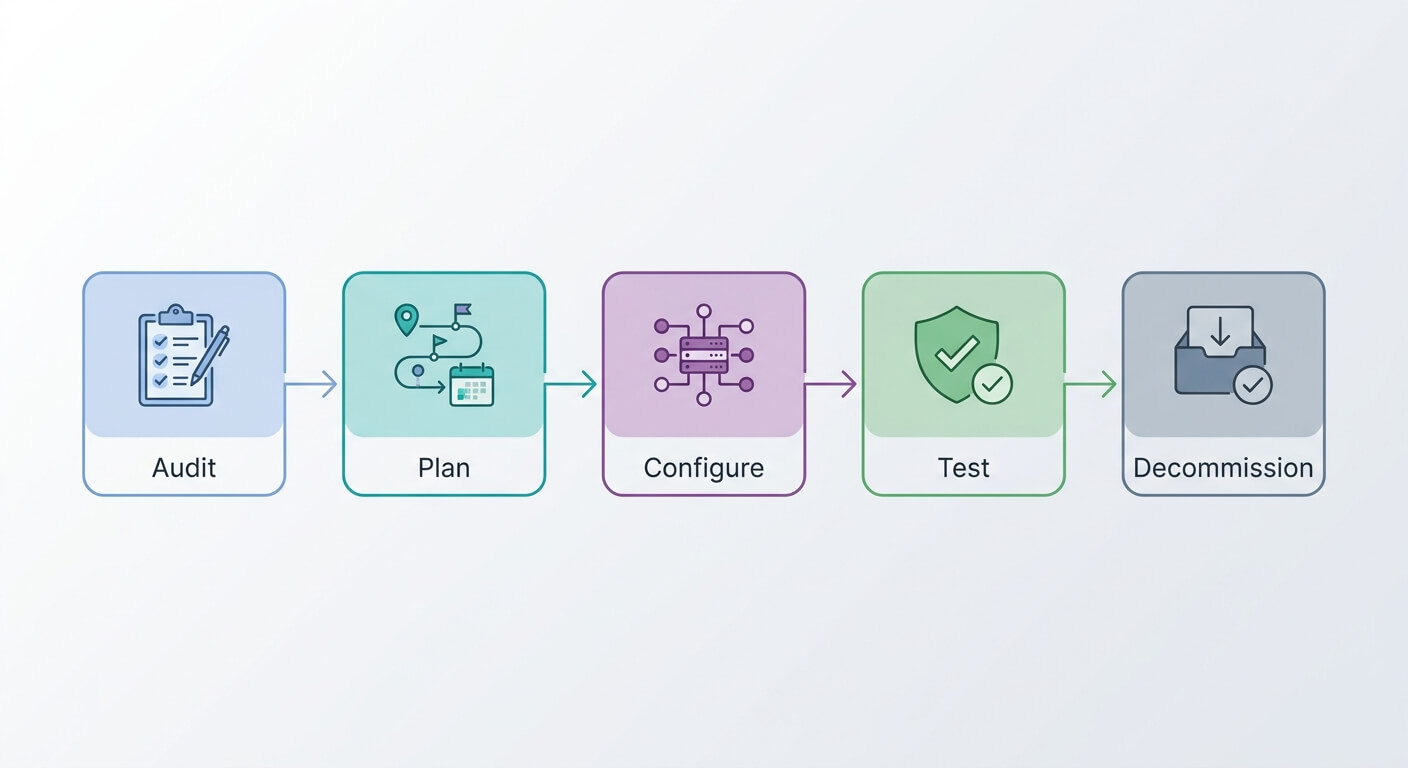
Implementing effective strategic consulting for cloud cost management requires establishing clear accountability structures before technical controls. Someone in your organisation needs explicit responsibility for monitoring and optimising cloud spending, even if it’s not their full-time role.
Cost allocation becomes crucial for businesses running multiple projects or serving different customers through shared cloud infrastructure. Without proper tagging and allocation strategies, you cannot identify which activities generate the highest costs or make informed decisions about resource allocation.
Budgeting for cloud services requires a different approach than traditional IT expenses. Rather than annual budget allocations, cloud costs need monthly forecasting based on business activity projections. This means understanding how your cloud usage correlates with revenue-generating activities and seasonal business patterns.
Governance policies should define who can provision new cloud resources, what approval processes apply for different spending levels, and how long temporary resources can remain active. These policies need to balance operational flexibility with cost control, allowing teams to work efficiently while preventing runaway spending.
Essential Tools for Cloud Cost Management
Cloud provider native tools offer the most accurate cost tracking since they access billing data directly. AWS Cost Explorer, Azure Cost Management, and Google Cloud Billing provide detailed breakdowns of spending by service, region, and time period. However, these tools require technical knowledge to interpret effectively.
Third-party cost management platforms like CloudHealth, Cloudability, or Spot.io offer more user-friendly interfaces and cross-cloud visibility for businesses using multiple providers. These tools typically provide cost optimisation recommendations and automated policies for controlling spending.
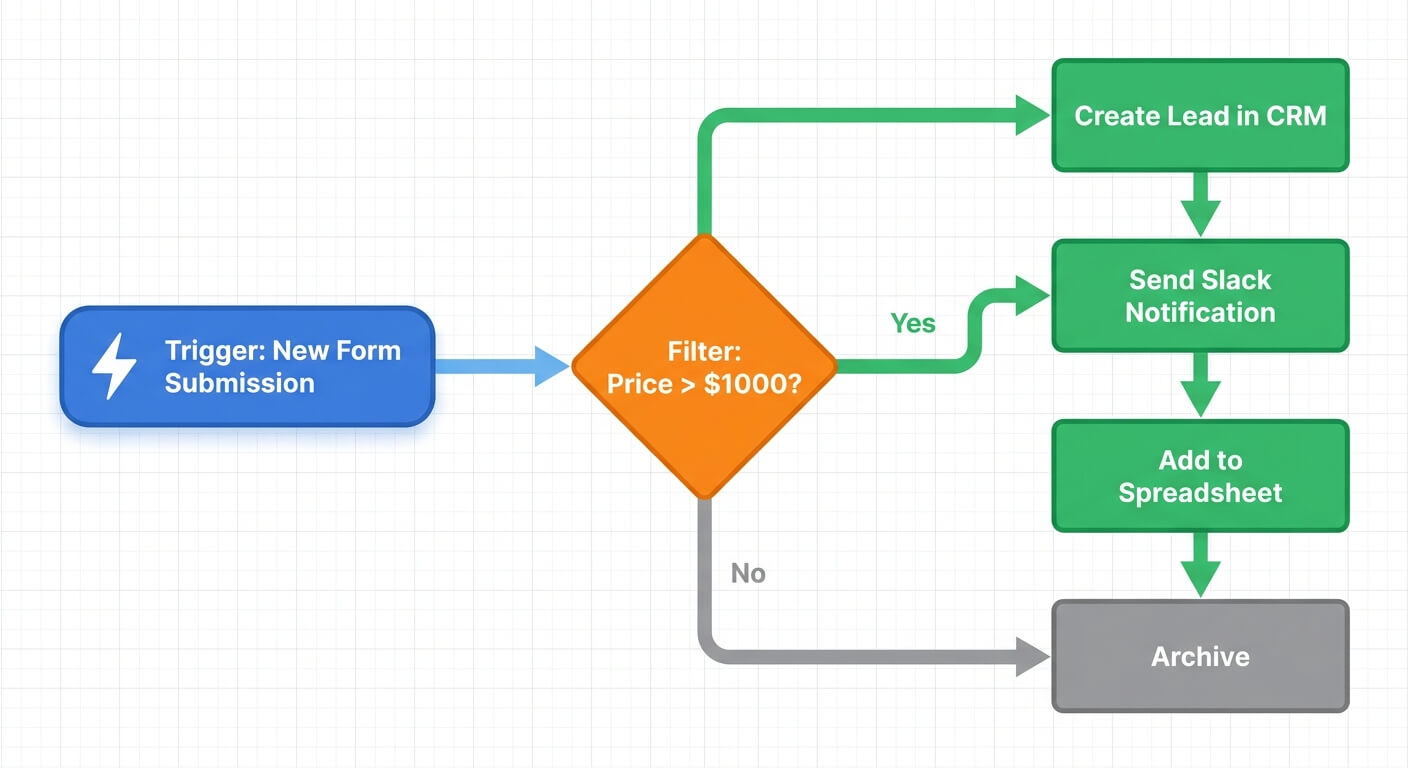
Automation plays a crucial role in cost control through scheduled shutdowns of non-production systems, automated scaling policies with defined limits, and resource lifecycle management. Process optimisation through automation prevents human error from leaving expensive resources running unnecessarily.
Marathon prices this kind of cost-control automation as a fixed project, scaled to how many systems it touches:
| Scope | Example | Fixed project cost |
|---|---|---|
| Single workflow joining two systems | Scheduled shutdown of one non-production environment | From US$450 |
| Multi-step workflow with integrations | Tagging enforcement and spend alerts across several cloud accounts | From US$1,400 |
| Document or invoice processing pipeline | Automated chargeback reporting from billing data | From US$2,375 |
| Custom application built around a process | Full FinOps dashboard with governance rules | From US$7,250 |
Monitoring and alerting systems should notify relevant team members when spending exceeds predefined thresholds, when resources remain idle for extended periods, or when unusual usage patterns emerge. The key is setting alerts at meaningful levels that prompt action without creating alert fatigue.
Implementing Cost Controls Without Hampering Operations
Effective cost control requires balancing financial oversight with operational efficiency. Heavy-handed restrictions that require approval for every minor resource change can slow development cycles and reduce team productivity, ultimately costing more in lost efficiency than they save in cloud spending.
Resource tagging strategies enable detailed cost tracking without restricting operations. By requiring standardised tags for project codes, cost centres, and environment types, businesses can analyse spending patterns and allocate costs accurately while maintaining operational flexibility.
Scheduled policies can automatically shut down development and testing environments outside business hours, reducing costs by 60-70% for non-production workloads without impacting daily operations. System integration between your project management tools and cloud platforms can automate resource provisioning and decommissioning based on project lifecycle stages.
Spending limits with graduated responses provide safety nets without creating operational bottlenecks. Rather than hard spending caps that might break production systems, implement tiered alerts that escalate through email notifications, management approval requirements, and finally automatic resource limitations only for non-critical systems.
Optimising Existing Cloud Infrastructure
Right-sizing represents the most common optimisation opportunity, where businesses pay for more computing power than their applications actually require. Cloud monitoring tools can identify consistently underutilised resources that could be downsized without impacting performance.
Storage class optimisation involves moving data to appropriate storage tiers based on access patterns. Frequently accessed data belongs in premium storage, while archived information can be moved to much cheaper cold storage options. Studies indicate that businesses can achieve storage cost reductions through proper tier management.
Reserved instance purchasing allows businesses to commit to longer-term usage in exchange for significant discounts, often 30-50% below on-demand pricing. However, this requires accurate forecasting of baseline resource requirements and understanding of your commitment capabilities.
Spot instance utilisation can reduce compute costs by 70-90% for workloads that can tolerate interruptions. Batch processing, development environments, and certain production workloads can take advantage of spare cloud capacity at heavily discounted rates.
Creating Accountability and Reporting Structures
Regular cost reviews should examine both absolute spending levels and cost efficiency metrics. Rather than simply tracking total monthly bills, analyse cost per transaction, cost per user, or other business-relevant metrics that indicate whether cloud spending is generating proportional value.
Chargeback systems help business units understand the true cost of their cloud consumption by allocating charges based on actual usage. This creates natural incentives for efficient resource utilisation without requiring central enforcement of spending limits.
Benchmarking against industry standards provides context for your cloud spending levels. While every business has unique requirements, understanding typical cloud costs as a percentage of revenue for similar businesses helps identify whether your spending is reasonable or requires attention.
Quarterly optimisation reviews should examine new services, pricing changes, and architectural improvements that could reduce costs. Cloud providers continuously introduce new services and pricing models, creating ongoing opportunities for cost reduction that require periodic evaluation.
Integration with Existing Business Systems
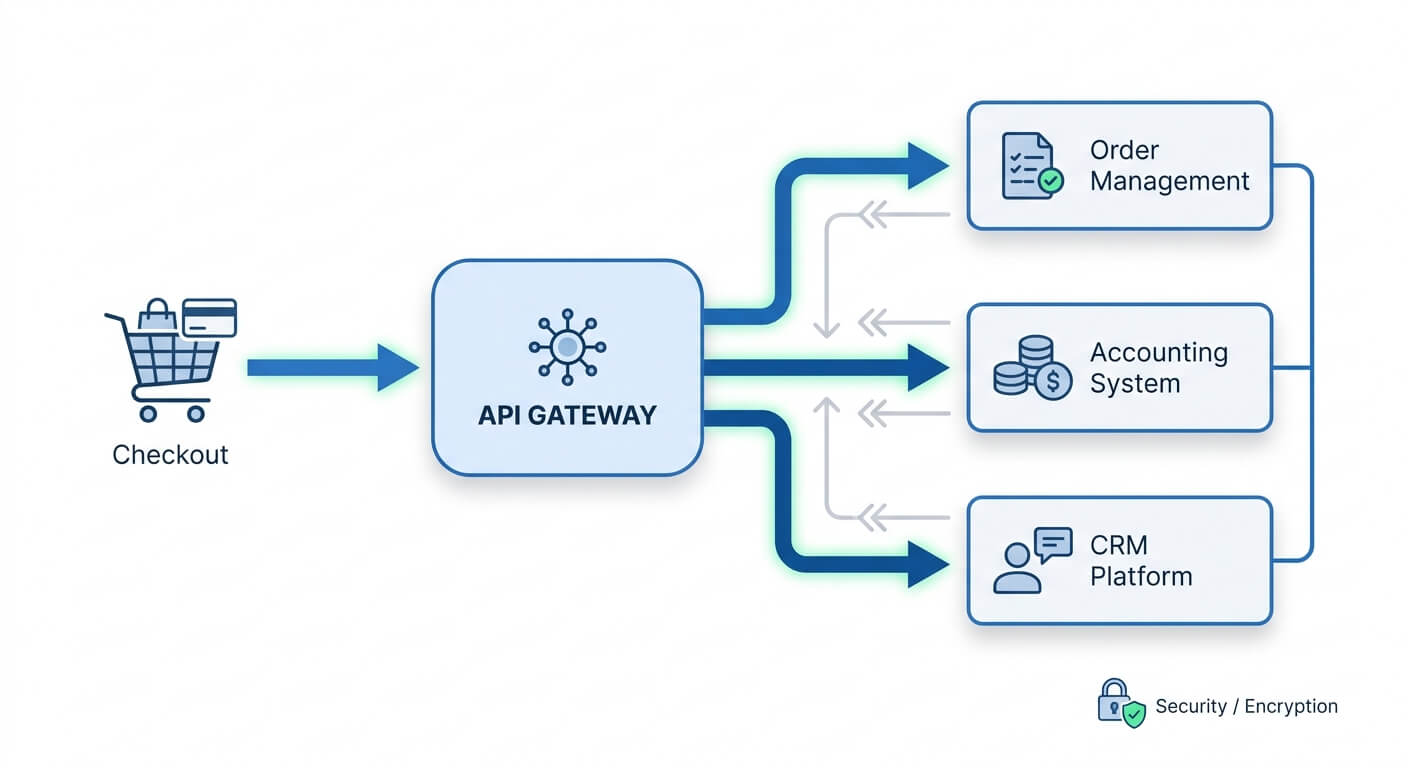
FinOps implementation works best when integrated with existing business processes rather than operating as a separate initiative. Your accounting systems need to accommodate cloud spending’s variable nature through appropriate chart of accounts structures and budget categories.
Project management integration allows cloud costs to be tracked against project budgets and timelines. When AI automation projects or system implementations include cloud components, the associated costs should be visible within project tracking rather than hidden in general IT expenses.
Customer billing systems may need modification if you pass cloud costs through to customers or if cloud usage varies significantly between different customer workloads. Understanding the relationship between customer activity and cloud consumption enables more accurate pricing and profitability analysis.
Financial reporting should include cloud cost trends, optimisation achievements, and variance analysis as standard components. This integration helps leadership understand how cloud spending relates to business performance and growth objectives.
Common Implementation Mistakes to Avoid
Over-engineering cost controls can create more problems than they solve. Businesses sometimes implement complex approval workflows that delay critical operations while generating minimal cost savings. The administrative overhead of managing elaborate cost control systems often exceeds their financial benefits.
Ignoring development and testing environment costs is a frequent oversight that can represent 40-60% of total cloud spending. These environments often receive less scrutiny than production systems despite generating substantial ongoing costs through inefficient resource allocation and poor lifecycle management.
Failing to establish clear ownership of cost optimisation efforts results in everyone assuming someone else is monitoring spending. Without explicit responsibility assignments, cost control becomes a shared responsibility that nobody actually manages effectively.
Relying solely on cloud provider cost estimates during planning consistently underestimates actual spending. Provider calculators typically show optimised scenarios that don’t account for real-world usage patterns, data transfer costs, or the learning curve associated with new technology adoption.
Measuring Success and Continuous Improvement
Cloud cost optimisation success should be measured through multiple metrics beyond simple cost reduction. Cost per unit of business output, resource utilisation rates, and forecast accuracy provide more meaningful indicators of FinOps effectiveness than absolute spending levels.
Trend analysis reveals whether optimisation efforts are sustainable or merely temporary fixes. Businesses should track month-over-month cost changes, seasonal variations, and the relationship between business growth and cloud spending increases.
Team productivity metrics help ensure that cost controls aren’t hampering operational efficiency. If development cycles lengthen significantly after implementing cost controls, the financial savings may be offset by reduced business agility and innovation capability.
Optimisation opportunity identification should be an ongoing process rather than a one-time exercise. As your business grows and changes, new opportunities for cost reduction emerge through architectural improvements, service consolidation, and more efficient resource allocation strategies.
The goal isn’t to minimise cloud spending at all costs, but rather to ensure that every pound spent generates appropriate business value. Effective FinOps implementation provides the visibility and control structures necessary to make informed decisions about cloud investments while preventing unexpected budget impacts that can threaten business stability.
Frequently Asked Questions
How quickly can FinOps implementation reduce cloud costs?
Most businesses see initial cost reductions within 30-60 days through basic optimisations like right-sizing underutilised resources and implementing automated shutdown policies for non-production environments. However, sustainable cost management requires ongoing attention and typically achieves full benefits over 6-12 months as processes mature and teams adapt to new practices.
What percentage of cloud costs should be allocated to FinOps management?
Industry benchmarks suggest spending 2-5% of total cloud costs on FinOps activities, including tools, training, and dedicated staff time. For small businesses, this often translates to several hours per month of focused attention rather than full-time resources, making it manageable even with limited technical staff.
Can FinOps practices be implemented without dedicated technical expertise?
While technical knowledge helps, many FinOps practices focus on business processes and accountability structures that non-technical managers can implement effectively. The key is starting with visibility and governance before moving to advanced technical optimisations that may require web development or systems expertise.
How do you balance cost control with business agility?
Effective FinOps emphasises transparency and education rather than restrictive controls. Teams that understand the cost implications of their decisions typically make more efficient choices without requiring approval bottlenecks. Graduated alerts and spending guidelines provide guardrails while maintaining operational flexibility for legitimate business needs.