Conversational SEO for SMBs: Optimising Content When AI Powers Search Results
Transform your small business visibility with conversational SEO strategies. Learn to optimise content for AI-powered search engines and voice queries.

Contents
Customers no longer type “CRM software price”; they ask “what’s the best CRM software for a small marketing agency with five employees”, and search engines increasingly reward content that answers that question directly. Ranking for keywords alone is no longer enough.
The rise of AI-powered search engines and voice assistants hasn’t just changed how people search. It’s transformed what content gets found, shared, and trusted. For small and medium businesses, this creates both an enormous opportunity and a pressing challenge. Get conversational SEO right, and you can compete with much larger companies for the attention of your ideal customers. Get it wrong, and you risk becoming invisible in search results that increasingly favour content that answers real questions in natural language.
This transition catches many small business owners off guard. They’ve spent years optimising for traditional search terms, only to discover that their carefully crafted keyword strategies no longer deliver the same results. The businesses that adapt quickly to conversational search patterns consistently outperform those that stick to outdated SEO approaches.
Understanding Conversational Search Behaviour
Traditional search operated on a simple premise: users entered the shortest possible query to find information. People searched for “plumber Manchester” or “wedding photographer prices” because they understood that search engines worked best with concise, specific terms. This created a predictable pattern that businesses could optimise around.
Conversational search flips this model entirely. Modern search users expect to communicate with search engines the way they would speak to a knowledgeable person. Instead of “restaurant booking system”, they ask “How can I let customers book tables at my restaurant without paying monthly fees?” The query length has increased dramatically, but more importantly, the intent has become much clearer.
This evolution reflects genuine changes in how people process information. Conversational queries are increasingly common in mobile search, with desktop showing similar patterns. Voice search, smart speakers, and AI assistants have normalised the expectation that technology should understand natural language rather than requiring users to translate their thoughts into machine-friendly keywords.
For small businesses, this shift reveals something crucial about customer behaviour. When someone asks “What’s the most reliable way to track inventory for a small retail shop?”, they’re not just looking for software recommendations. They’re revealing their current frustration, their business size, their industry context, and their priority concerns. This level of insight was rarely available in traditional keyword searches.
The implications extend beyond search volume statistics. Conversational queries indicate users who are further along in their decision-making process. Someone searching “inventory management” might be in early research mode. Someone asking “How do I stop losing money on stockouts in my clothing boutique?” has identified a specific problem and is actively seeking solutions.
How AI Changes Content Discovery
AI-powered search engines process and rank content fundamentally differently than their predecessors. Traditional search engines primarily matched keywords and analysed link patterns. Modern AI systems understand context, intent, and semantic relationships between concepts. This technological evolution demands a complete rethinking of content strategy.
When AI analyses content, it evaluates how comprehensively a piece addresses the underlying question behind a search query. A blog post titled “5 SEO Tips” might have ranked well in traditional search if it contained the right keywords and earned quality backlinks. Today’s AI systems assess whether that content actually helps someone achieve their SEO goals, provides actionable guidance, and addresses follow-up questions the reader might have.
This creates both challenges and opportunities for small businesses. The challenge lies in creating content that satisfies AI’s increasingly sophisticated evaluation criteria. Surface-level content that merely mentions relevant terms without providing genuine value gets filtered out. The opportunity exists for businesses that invest in creating truly helpful, comprehensive content that serves their audience’s real needs.
AI systems also consider user behaviour signals much more heavily than before. Content that keeps readers engaged, encourages them to explore related topics, and provides clear answers to their questions gets rewarded with higher visibility. This means that businesses need to think beyond individual page optimisation and consider how their content works together to serve customer journeys.
The personalisation aspect cannot be ignored either. AI-powered search increasingly tailors results based on user context, previous behaviour, and inferred intent. A search for “best accounting software” might return different results for someone who previously researched restaurant management systems versus someone who looked into freelance productivity tools.
Creating Question-Focused Content Strategy

The foundation of effective conversational SEO lies in identifying and addressing the actual questions your customers ask. This requires moving beyond traditional keyword research to understand the complete context of customer inquiries. Small businesses often have an advantage here because they interact directly with customers and hear these questions firsthand.
Start by cataloguing the questions you receive through customer service, sales calls, and support tickets. These real customer queries provide invaluable insight into the language people use when seeking solutions to their problems. A kitchen design company might discover that customers rarely search for “bespoke kitchen solutions” but frequently ask “How much does it cost to renovate a small kitchen in a Victorian terrace?”
The next step involves expanding these core questions into comprehensive content that addresses not just the primary query but the related concerns that naturally follow. Someone asking about kitchen renovation costs likely also wants to know about timeline, disruption to daily life, planning permission requirements, and how to choose reliable contractors. Creating content that anticipates and answers these follow-up questions significantly improves your chances of ranking for conversational searches.
Structure becomes critical in question-focused content. Use clear headings that mirror the way people ask questions. Instead of “Cost Factors”, use “What affects the cost of a kitchen renovation?” This approach signals to both AI systems and human readers that your content directly addresses their concerns.
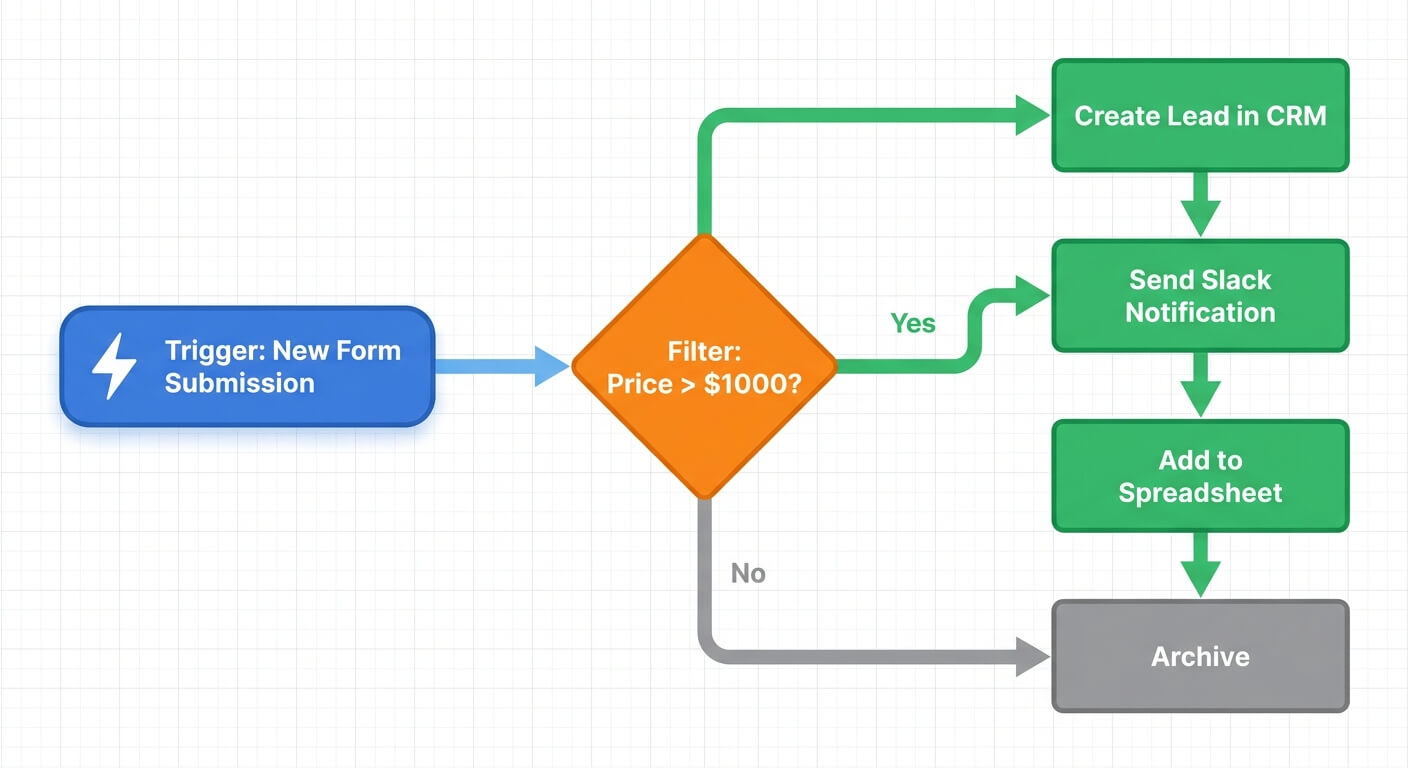
Developing AI automation strategy for content creation can help small businesses scale this approach without overwhelming their resources. Automated systems can identify question patterns in customer communications, suggest content topics based on search trends, and even help structure comprehensive answers that address multiple related queries.
Consider the customer journey when planning question-focused content. Early-stage questions might focus on problem identification: “Why is my current system not working?” Mid-stage questions typically involve solution evaluation: “What options are available to solve this problem?” Late-stage questions concern implementation: “How do I get started with this solution?” Creating content that serves each stage ensures you remain visible throughout the entire decision-making process.
Optimising for Voice and AI Assistants
Voice search and AI assistants have introduced unique optimisation requirements that differ significantly from traditional text-based SEO. When someone asks Alexa or Siri a question, they expect a direct, conversational answer rather than a list of websites to explore. This creates both constraints and opportunities for small businesses seeking voice search visibility.
Voice queries tend to be longer and more specific than typed searches. People are comfortable asking their smart speaker, “What’s the best way to remove red wine stains from a wool carpet?” but might type “red wine stain removal wool” into a search engine. This natural language pattern means your content needs to address complete questions rather than fragmented keyword phrases.
Featured snippets become crucial for voice search success. When AI assistants answer questions, they typically read from the featured snippet that appears at the top of search results. Structuring your content to capture these snippets requires specific formatting: clear, concise answers followed by supporting detail. Answer the question in the first 40-60 words, then expand with additional context and related information.
Local businesses benefit enormously from voice search optimisation because many voice queries include location-based intent. “Where can I get my laptop repaired near me?” or “What’s the best Italian restaurant within walking distance?” represent massive opportunities for small businesses that optimise correctly for local conversational search.
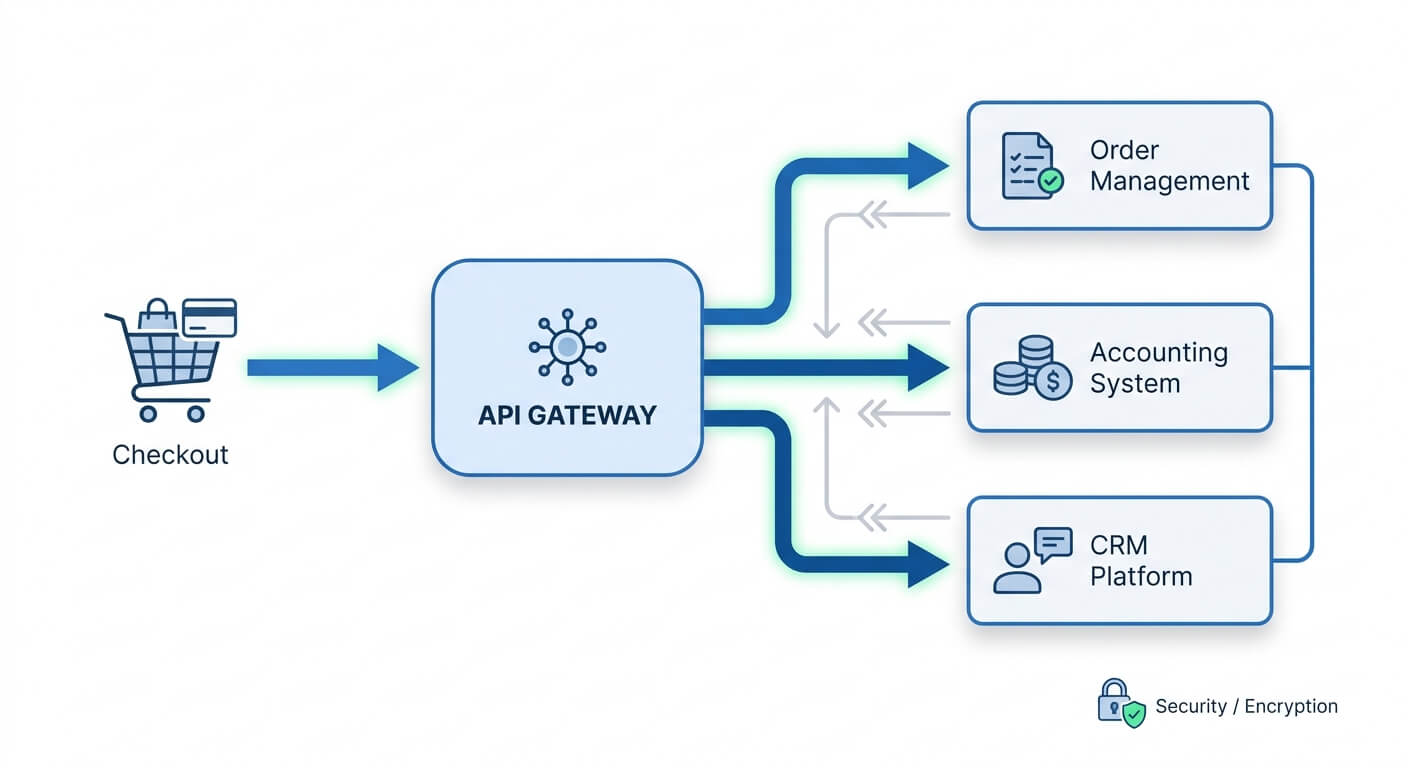
Implementing system integration becomes essential as voice search data flows through multiple platforms and systems. Your website content, Google My Business profile, social media presence, and customer review platforms all contribute to how AI systems understand and represent your business in voice search results.
The technical aspects of voice optimisation include ensuring fast page loading speeds, mobile-friendly design, and structured data markup that helps search engines understand your content context. However, the content itself remains the primary factor. Write as if you’re speaking directly to a customer who has asked you a specific question.
Technical Implementation for Small Businesses
Implementing conversational SEO requires specific technical approaches that many small businesses find daunting. However, the core principles remain straightforward: make your content easily discoverable, understandable, and actionable for both AI systems and human users.
Structured data markup represents one of the most impactful technical implementations. This code helps search engines understand the context and meaning of your content. For a local service business, marking up your services, location, hours, and contact information significantly improves your chances of appearing in relevant conversational searches. While the technical implementation might seem complex, many website platforms now offer simplified tools for adding structured data.
Page speed and mobile optimisation become even more critical in conversational search environments. AI systems factor user experience signals heavily into their ranking decisions. A page that loads slowly or displays poorly on mobile devices gets penalised regardless of content quality. Web development that prioritises performance optimisation directly supports conversational SEO success.
Internal linking strategy needs to evolve from traditional SEO approaches. Instead of linking based on keyword density, focus on connecting related questions and topics that customers naturally explore together. If someone reads about kitchen renovation costs, they might logically want to learn about timeline planning, contractor selection, or design trends. Creating clear pathways between related content improves both user experience and search engine understanding.
Content organisation becomes crucial for AI comprehension. Use clear hierarchies with descriptive headings, implement FAQ sections for common questions, and ensure that each page thoroughly covers its topic rather than providing superficial coverage of multiple subjects. Depth and comprehensiveness often outperform breadth in conversational search results.
Monitoring and measurement require new approaches as well. Traditional metrics like keyword rankings become less meaningful when queries are longer and more varied. Focus instead on tracking the questions your content answers, the problems it solves, and the engagement it generates. Tools that analyse natural language queries and user intent provide more valuable insights than traditional keyword tracking.
Measuring Conversational SEO Success
Measuring the effectiveness of conversational SEO requires different metrics and approaches than traditional search optimisation. The success indicators that matter most reflect user engagement and problem resolution rather than simple traffic volume or keyword rankings.
Query diversity becomes a positive indicator rather than a problem to solve. If your content attracts visitors through dozens of different long-tail, conversational queries, this suggests that your content comprehensively addresses customer needs. Traditional SEO often focused on ranking for specific target keywords; conversational SEO success shows up as relevance for many related questions.
Time on page and engagement metrics gain increased importance because they indicate whether your content actually answers the questions that brought people to your site. High bounce rates might not necessarily indicate poor performance if users found their answer quickly and completely. However, pages that encourage exploration of related topics and keep users engaged typically perform better in AI-powered search results. This makes sense because conversational searches typically indicate higher intent and more specific needs than broad keyword searches.
Conversion tracking becomes more nuanced as well. Users arriving through conversational searches often exhibit different behaviour patterns than traditional organic traffic. They might spend more time researching, ask more detailed questions before purchasing, but ultimately convert at higher rates because they found exactly what they were looking for.
Customer feedback provides crucial measurement data for conversational SEO success. When customers mention that they found your business by asking specific questions online, or when they reference information from your content during sales conversations, these qualitative indicators often prove more valuable than quantitative metrics.
Implementing marketing automation systems that track the customer journey from initial conversational search through to conversion provides comprehensive insights into how your optimisation efforts translate into business results.
Content Formats That Perform Well
Certain content formats consistently outperform others in conversational search environments. Understanding and implementing these formats can significantly improve your visibility for question-based queries and AI-powered search results.
Comprehensive guides that address multiple related questions within a single piece of content tend to rank well for conversational searches. Instead of creating separate pages for “How much does wedding photography cost?”, “What’s included in a wedding photography package?”, and “How to choose a wedding photographer?”, consider creating a comprehensive resource that addresses all these related concerns. This approach aligns with how people naturally think about complex topics.
FAQ sections have gained renewed importance because they directly match the question-and-answer format that AI systems favour. However, effective FAQ content goes beyond simple Q&A pairs. Each answer should provide sufficient detail to be genuinely helpful while linking to more comprehensive information where appropriate. The questions themselves should reflect actual customer language rather than business jargon.
Step-by-step guides perform exceptionally well for process-oriented queries. When someone asks “How do I set up automated email marketing for my small business?”, they want clear, sequential guidance that they can follow to achieve their goal. Content that provides this practical, actionable guidance consistently outranks theoretical or promotional content.
Case studies and examples add significant value because they demonstrate real-world application of solutions. However, these need to be specific and credible rather than generic success stories. A detailed explanation of how automation solved a particular workflow problem for a specific type of business provides more conversational search value than vague claims about efficiency improvements.
Video content optimised with accurate transcripts captures both visual and voice search traffic. Many conversational queries work well for video answers, particularly those involving demonstrations or complex explanations. The key lies in ensuring that video content includes searchable text that AI systems can analyse and understand.
Implementing effective process optimisation for content creation helps small businesses consistently produce these high-performing formats without overwhelming their resources.
Common Implementation Mistakes
Small businesses frequently make specific mistakes when transitioning to conversational SEO, often because they apply traditional SEO thinking to new search behaviours. Understanding and avoiding these pitfalls can accelerate success and prevent wasted effort.
Keyword stuffing remains a persistent problem, even in conversational content. Some businesses attempt to force traditional keywords into naturally flowing content, creating awkward phrasing that serves neither readers nor search engines. “If you’re looking for plumber services plumbing repair emergency plumber Manchester…” destroys the conversational flow that AI systems prioritise.
Superficial content that mentions questions without truly answering them represents another common mistake. Creating a heading like “How much does SEO cost?” and then providing vague, non-committal answers fails to satisfy the specific intent behind conversational searches. Users and AI systems both favour content that provides genuine, actionable information.
Ignoring local intent costs many small businesses significant opportunities. Conversational searches frequently include implicit or explicit local context. Someone asking “Where can I get same-day dry cleaning?” expects location-relevant results. Businesses that fail to incorporate local optimisation into their conversational SEO strategy miss these high-intent queries.
Overcomplicating the technical implementation often prevents small businesses from starting at all. While technical optimisation matters, content quality and relevance remain the primary ranking factors. Businesses that delay creating conversational content while perfecting technical details often fall behind competitors who prioritise helpful content creation.
Neglecting to update and refresh content based on evolving customer questions represents a significant missed opportunity. The questions your customers ask change over time, influenced by industry trends, seasonal factors, and external events. Content strategies that remain static fail to capture new conversational search opportunities.
Failing to connect conversational content to business goals creates measurement challenges and reduces ROI. Every piece of content should serve specific business objectives, whether that’s lead generation, customer education, or sales support. Content created purely for search visibility often underperforms content that serves genuine business and customer needs.
Building Long-term Conversational Presence
Developing sustainable success in conversational search requires thinking beyond individual content pieces to create a comprehensive, interconnected content ecosystem that serves your customers’ evolving needs and questions.
Consistency in publishing schedule and content quality builds authority with both users and search engines over time. AI systems increasingly favour businesses that demonstrate ongoing expertise and reliability in their content creation. This doesn’t mean publishing daily, but it does require regular, predictable content that continuously addresses new customer questions and concerns.
Building topic clusters around your core business areas creates comprehensive coverage that performs well in conversational search. Instead of isolated blog posts, develop interconnected content that thoroughly explores related questions within your expertise areas. A financial advisor might create clusters around retirement planning, investment strategies, and tax optimisation, with each cluster containing multiple pieces that address various aspects of these topics.
Engaging with customer questions across multiple platforms strengthens your conversational search presence. Responding to questions on social media, in online forums, and through direct customer communications provides insights into emerging question patterns while demonstrating your expertise across various digital touchpoints.
Developing strategic consulting approaches for content planning ensures that your conversational SEO efforts align with broader business objectives and market opportunities. This strategic alignment prevents content creation from becoming disconnected from business growth goals.
Monitoring industry trends and adapting your question-focused content accordingly keeps your business visible for emerging search patterns. Customer questions evolve based on new technologies, changing regulations, market conditions, and cultural shifts. Businesses that anticipate and address these evolving concerns maintain their conversational search advantages.
Building relationships with other businesses and industry experts expands the authority and reach of your conversational content. When other trusted sources reference and link to your question-answering content, it signals to AI systems that your information provides valuable answers to common industry questions.
The transition to conversational SEO represents more than a technical adjustment to search algorithm changes. It reflects a fundamental shift toward more human, helpful, and comprehensive online communication. Small businesses that embrace this change, focusing on genuinely answering customer questions rather than gaming search systems, position themselves for sustained success in an increasingly AI-powered digital environment.
Success in conversational search comes from understanding that behind every query lies a person with a specific problem seeking a practical solution. When your content consistently provides those solutions in clear, accessible language, both AI systems and human customers will find and value what you offer.
Frequently Asked Questions
What is conversational SEO and how does it differ from traditional SEO?
Conversational SEO optimises content for natural language queries that people speak or type as complete questions, rather than fragmented keywords. Unlike traditional SEO that focused on short phrases like “plumber Manchester”, conversational SEO targets complete questions like “What’s the best emergency plumber near me that works weekends?” This approach aligns with how AI-powered search engines and voice assistants process queries.
How can small businesses start implementing conversational SEO without large budgets?
Begin by documenting actual questions customers ask through emails, phone calls, and support tickets. Create comprehensive content answering these questions using natural language. Focus on FAQ sections, detailed guides, and question-based headings. Use free tools to identify question-based search terms in your industry. Quality conversational content often outperforms expensive traditional SEO tactics because it directly addresses user intent.
Does voice search really matter for local small businesses?
Yes, voice search significantly impacts local businesses as many voice queries include location intent. Optimising for questions like “Where can I find a bakery open now?” or “Best coffee shop within walking distance?” helps local businesses capture high-intent customers actively seeking immediate solutions.
How long does it take to see results from conversational SEO efforts?
Most businesses notice initial improvements within three to six months, though comprehensive results typically develop over six to twelve months. AI systems need time to understand your content’s relevance and authority. However, conversational content often performs better long-term than traditional keyword-focused content because it comprehensively addresses user needs, generating sustained traffic from numerous related question variations.
Can I optimise existing content for conversational search or must I start fresh?
Existing content can absolutely be optimised for conversational search. Add FAQ sections addressing common questions, restructure headings as questions, expand thin content to comprehensively answer related queries, and improve internal linking between related topics. This approach often proves more efficient than creating entirely new content, particularly when existing pages already attract some traffic but underperform their potential.