Lead Scoring That Works: Stop Chasing Cold Prospects
Transform your sales efficiency with lead scoring that identifies hot prospects and stops time-wasting on cold leads. Focus effort where conversions happen.
Contents
Lead scoring solves the prioritisation problem by automatically ranking your prospects based on how likely they are to buy. Instead of treating every inquiry the same, you focus your best efforts on the leads most likely to convert. Your sales team stops wasting time on cold prospects and starts closing deals with warm ones.
Your sales team spends hours chasing leads that will never buy. Meanwhile, the prospects ready to purchase sit unnoticed in your system, getting the same generic follow-up as everyone else.
This isn’t a people problem. It’s a prioritisation problem.
The Hidden Cost of Treating All Leads Equally
Small businesses typically convert just 2-5% of their leads into customers. That means for every 100 people who express interest, 95 won’t buy anything.
The problem isn’t the conversion rate itself. It’s that most businesses can’t tell the difference between the 5 who will buy and the 95 who won’t. So they spend equal time and effort on everyone.
This pattern repeats constantly. A company generates 200 leads per month. Their sales person dutifully follows up with each one. After three months, they’ve made contact with maybe half, converted a handful, and burned through their energy chasing prospects who were never serious buyers.
Businesses without lead scoring risk wasting most of their sales team’s time on leads that will never convert.
Consider the mathematics. If your sales person’s time is worth $40 per hour and they spend 20 hours per week chasing cold leads, you’re spending $750 weekly on activities that generate no revenue. Over a year, that’s $39,000 in wasted effort.
Lead scoring changes this equation entirely. Instead of equal treatment for unequal prospects, you invest more time in the leads most likely to buy and less time on those who aren’t ready.
Understanding Lead Scoring Fundamentals
Lead scoring assigns numerical values to prospects based on their behaviour and characteristics. A lead who visits your pricing page three times scores higher than someone who only read a blog post. A prospect whose company size matches your ideal customer profile scores higher than one that doesn’t.
The system tracks multiple data points automatically. Website visits, email opens, content downloads, company size, job title, and dozens of other factors. Each action or characteristic adds points. The total score indicates how sales-ready that prospect is.
Scores typically range from 0 to 100, though the scale matters less than the relative rankings. A lead scoring 85 is more likely to buy than one scoring 30. Your sales team focuses on the high scorers first.
This isn’t about perfect prediction. It’s about probability and prioritisation. Lead scoring doesn’t guarantee that every high-scoring prospect will buy. But it dramatically increases the odds that your sales efforts focus on genuinely interested prospects rather than time-wasters.
Modern marketing automation platforms handle the calculations automatically. You define the rules once, and the system applies them consistently to every lead. No manual sorting, no guesswork, no missed opportunities because someone got busy.
Building Your Scoring Framework
Effective lead scoring combines two types of data: demographic information and behavioural signals.
Demographic scoring evaluates whether a prospect fits your ideal customer profile. Company size, industry, job title, and location all factor in. A prospect who matches your best customers’ characteristics scores higher than one who doesn’t.
Behavioural scoring tracks what prospects do. Website visits, email engagement, content downloads, and social media interaction all generate points. Recent activity scores higher than old activity. Multiple touchpoints score higher than single interactions.
Start with your existing customers. Analyse their common characteristics when they first became leads. What company sizes do your best customers have? Which industries? What job titles typically make purchasing decisions? These patterns become your demographic scoring criteria.
Next, examine the customer journey. Which pages do prospects visit before buying? What content do they download? How many times do they visit your site? B2B buyers work through a great deal of your material before they ever speak to you, which is precisely why these signals are worth scoring.
Your scoring system should reflect this reality. Assign higher points for pricing page visits, product demos, and case study downloads. Lower points for general blog content or company information pages.
Timing matters significantly. A prospect who visited your pricing page yesterday scores higher than one who downloaded a whitepaper six months ago. Most systems apply time decay, where older activities gradually lose point value.
Negative scoring also helps. Prospects from companies too small for your services lose points. Job titles with no purchasing authority score lower. Bounced emails or unsubscribes should reduce scores immediately.
Technology and Implementation
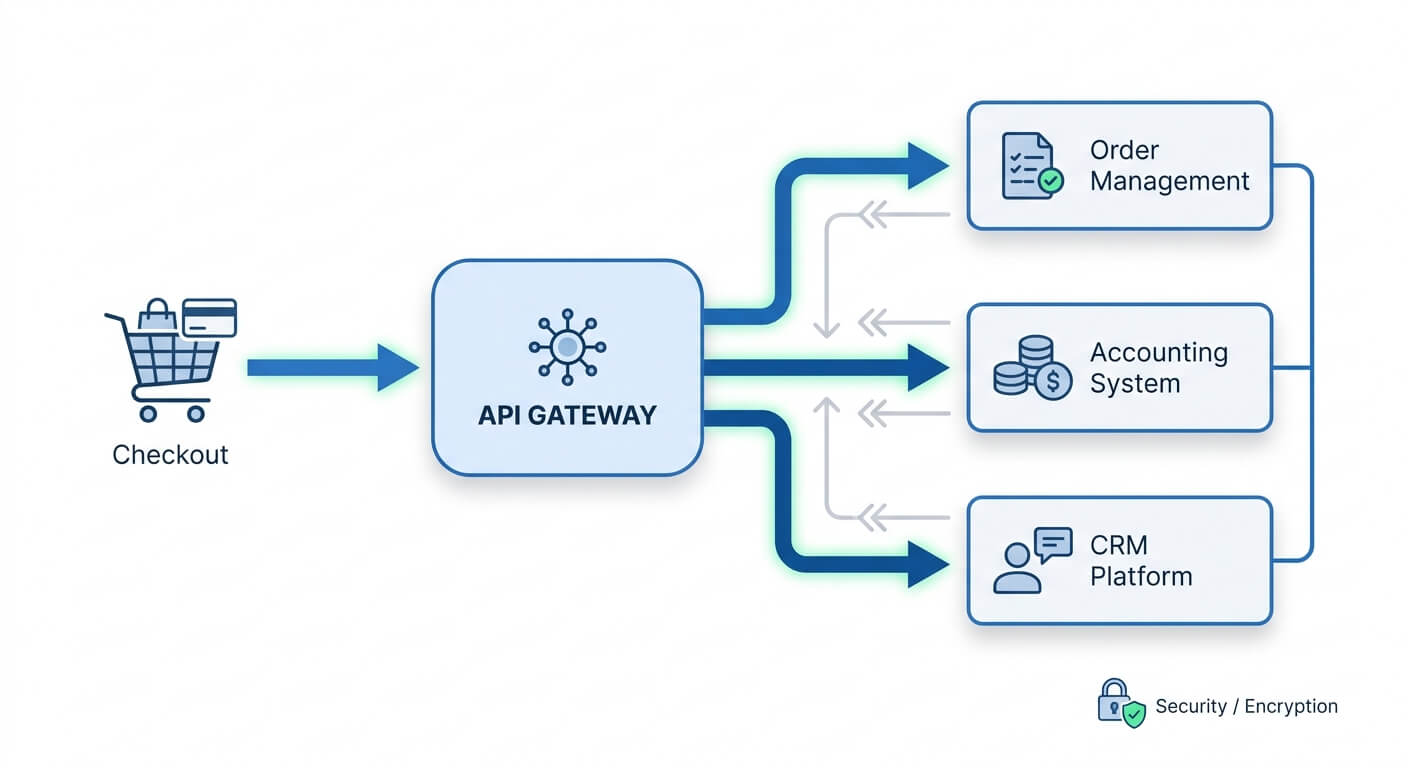
Lead scoring requires a system that tracks prospect behaviour across multiple touchpoints. Your website, email campaigns, social media, and sales activities all need to feed data into a central scoring engine.
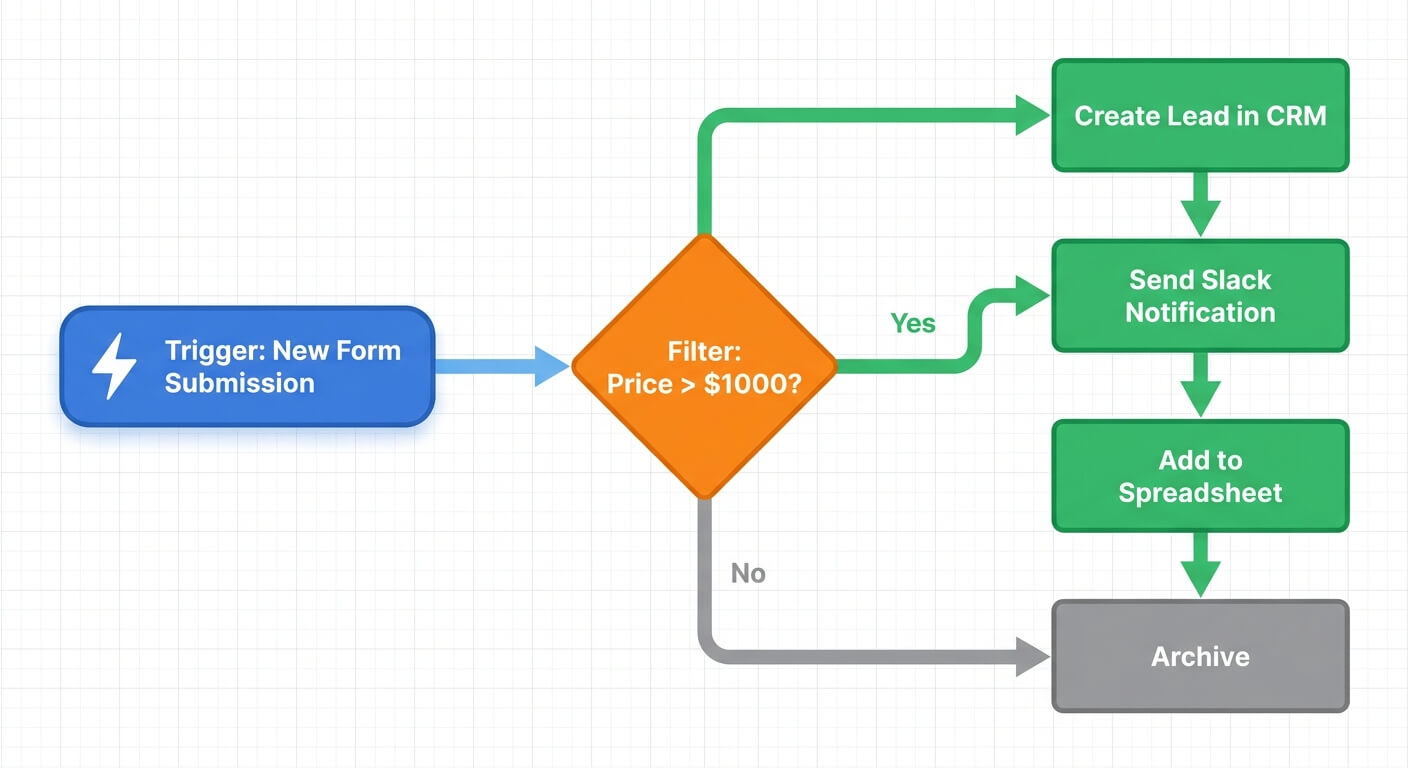
Most businesses achieve this through system integration between their website, customer relationship management (CRM) platform, and marketing automation tools. When someone visits your pricing page, that activity automatically updates their lead score in your CRM. When they open an email, points get added. When they download a case study, more points appear.
The technical setup matters less than the data quality. Inaccurate or incomplete information produces misleading scores. A lead scoring system fed with bad data will confidently point you toward the wrong prospects.
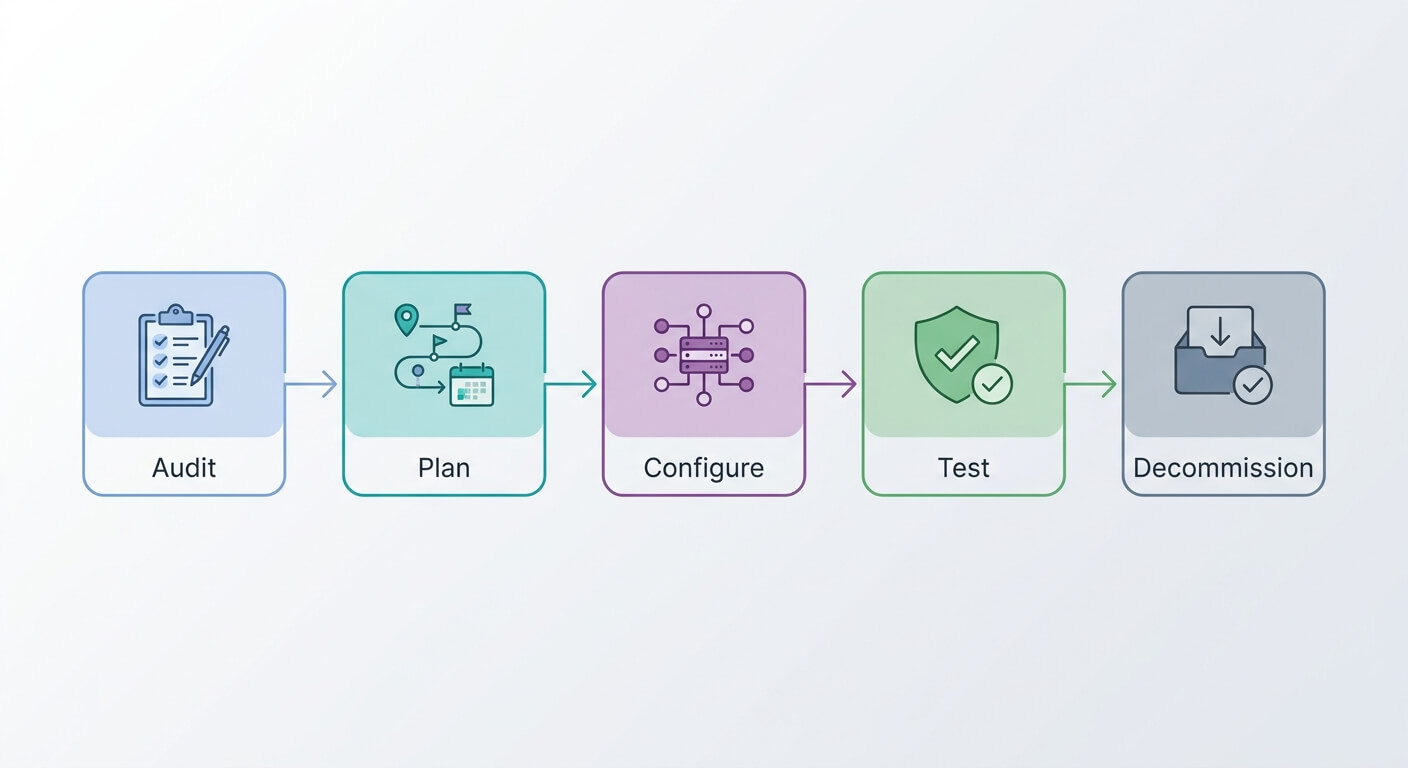
Start by auditing your current data collection. Does your website track which pages prospects visit? Can you identify return visitors? Do your email campaigns record opens and clicks? Are form submissions capturing the right information?
Many small businesses discover gaps in their tracking. They know someone downloaded a whitepaper but can’t connect that person to subsequent website visits. They see email opens but can’t link those to sales conversations. Fixing these gaps improves scoring accuracy dramatically.
Implementation should begin simply. Choose 5-10 scoring criteria based on your most reliable data. Test the system with a small group of leads. Refine the point values based on actual conversion patterns. Add complexity gradually as you understand what works.
Interpreting and Acting on Scores
Lead scores only matter if they change behaviour. The most sophisticated scoring system fails if your sales team ignores the results or doesn’t understand what the numbers mean.
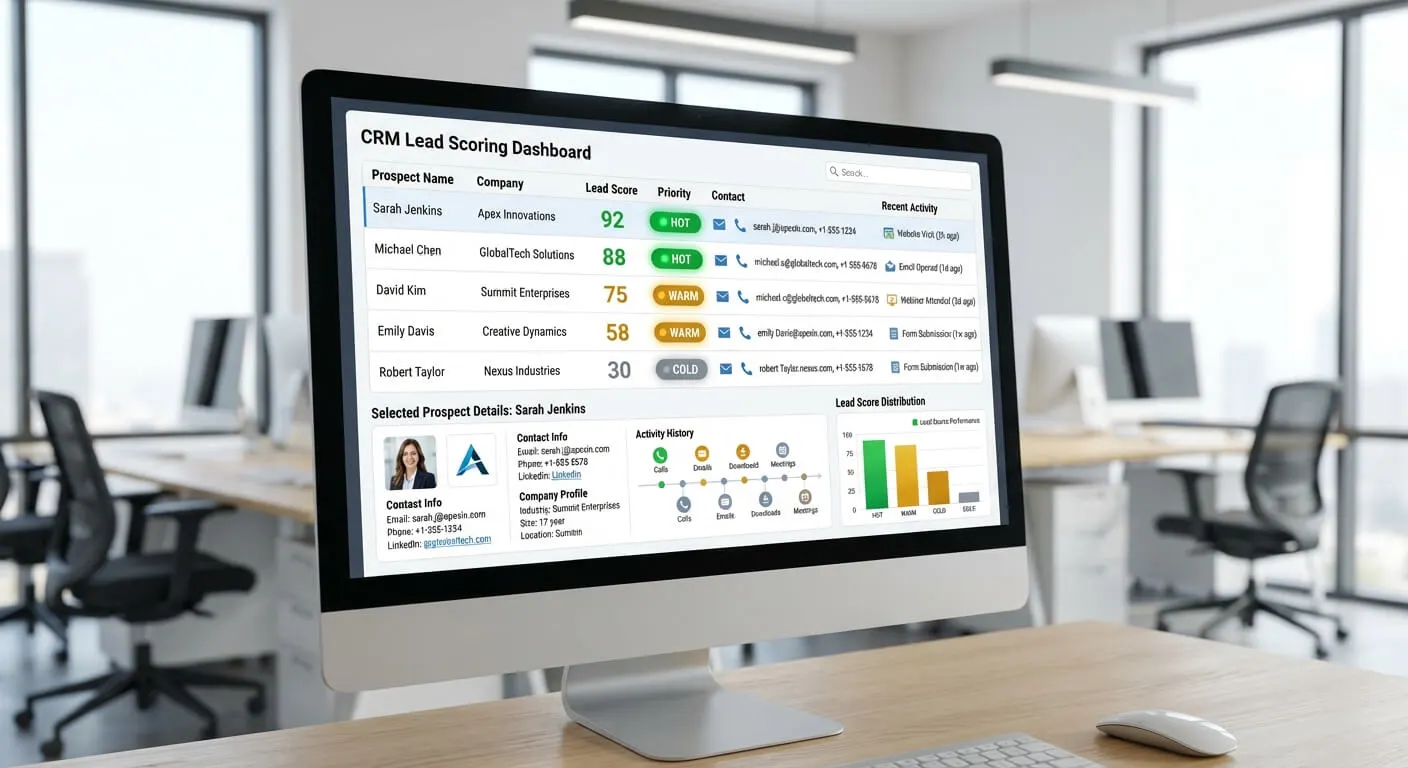
Establish clear score thresholds for different actions. Leads scoring 0-30 might receive automated email nurturing. Scores 31-60 could trigger personalised follow-up emails. Anything above 60 gets immediate sales attention.
These thresholds aren’t universal rules. They depend on your typical lead volume, sales capacity, and conversion patterns. A business generating 50 leads monthly can afford lower thresholds than one receiving 500.
Regular calibration keeps the system accurate. Track which score ranges actually convert to customers. If leads scoring 40-50 convert better than those scoring 70-80, your criteria need adjustment. Most businesses review and refine their scoring monthly.
Sales teams need training on score interpretation. High scores indicate priority, not guaranteed sales. Low scores suggest nurturing opportunities, not immediate dismissal. A lead scoring 25 today might score 75 next month after consuming more content.
Transparency helps adoption. Show your sales team why leads received specific scores. “This prospect visited our pricing page twice, downloaded three case studies, and works at a company matching our ideal customer profile. That’s why they scored 78.” Understanding the logic builds confidence in the system.
Advanced Scoring Strategies
Basic lead scoring focuses on individual prospects. Advanced approaches consider account-based patterns, predictive analytics, and multi-touch attribution.
Account-based scoring evaluates entire companies rather than individual contacts. Multiple people from the same organisation might be researching your services. Traditional scoring treats them separately. Account-based scoring recognises that five people from one company represents a better opportunity than five people from five different companies.
Predictive scoring uses machine learning to identify patterns humans might miss. Instead of manually defining point values, algorithms analyse thousands of data points to predict conversion probability.
Multi-touch attribution recognises that modern buyers interact with businesses across multiple channels. They might discover you through social media, visit your website, attend a webinar, and request a demo. Advanced scoring considers the entire journey, not just individual touchpoints.
Intent data adds another dimension. Third-party services track when prospects research topics related to your industry. A prospect reading articles about automation solutions might be evaluating vendors, even if they haven’t visited your website yet. This information can boost scores before direct engagement begins.
These advanced strategies require more sophisticated AI automation platforms and larger data sets. Most small businesses should master basic scoring before adding complexity.
Common Scoring Mistakes
Lead scoring fails when businesses focus on perfection rather than improvement. You don’t need to identify every future customer correctly. You need to prioritise better than random chance.
Over-complicated systems often backfire. Scoring based on 50 different criteria feels comprehensive but becomes impossible to manage. Most successful implementations use 10-15 key factors with clear point values.
Ignoring the sales team’s experience creates problems. Your sales people know which prospects typically convert. They understand buyer behaviour patterns. Scoring systems that contradict their experience face resistance and poor adoption.
Static point values don’t reflect changing markets. The behaviours that indicated buying intent six months ago might be different today. Regular review and adjustment keep scoring relevant.
Treating scores as absolute truth rather than probability estimates leads to poor decisions. A lead scoring 90 might not be ready to buy. A lead scoring 40 might be ready tomorrow. Scores indicate likelihood, not certainty.
Focusing only on high scores wastes opportunities. Low-scoring leads need different treatment, not abandonment. Nurturing campaigns can gradually increase scores over time. Today’s cold prospect might be next month’s hot lead.
Measuring Success
Lead scoring success isn’t measured by score accuracy. It’s measured by sales efficiency and conversion improvements.
Track how score distribution correlates with actual conversions. Are high-scoring leads converting at higher rates than low-scoring ones? If not, your criteria need adjustment. The system should create meaningful distinctions between prospect quality levels.
Monitor sales team efficiency. How much time do they spend on leads that convert versus those that don’t? Effective scoring should shift this ratio, with more time invested in prospects who actually buy.
Conversion velocity matters as much as conversion rate. High-scoring leads should move through your sales process faster than low-scoring ones. If both groups take the same time to convert, your scoring isn’t identifying sales-ready prospects effectively.
Sales team satisfaction provides qualitative feedback. Are they confident in the leads they receive? Do they feel the scoring helps them prioritise effectively? Resistance often indicates scoring criteria that don’t match real-world buying patterns.
Revenue per lead offers the ultimate measure. If lead scoring improves prospect prioritisation, your average revenue per lead should increase. You’re spending more time on prospects likely to make larger purchases and less time on those unlikely to buy anything.
Integration with Sales Process
Lead scoring works best when integrated into existing sales workflows rather than added as a separate system. Scores should appear automatically in your CRM alongside other prospect information.
Automatic lead routing based on scores prevents delays. High-scoring prospects get assigned to your most experienced sales people immediately. Medium scores might go to junior team members or inside sales. Low scores enter nurturing sequences until their scores improve.
Timing triggers create consistent follow-up. When a lead’s score reaches a threshold, automatic notifications alert the appropriate sales person. No more leads falling through cracks because someone forgot to check the system.
Your process optimisation should reflect score-based prioritisation. High-scoring leads might receive phone calls within an hour. Medium scores get emails within a day. Low scores enter weekly nurturing campaigns.
Sales scripts and messaging should vary by score level. High-scoring prospects demonstrating clear buying intent need different conversations than low-scoring prospects just beginning their research.
Regular feedback loops between sales and marketing improve scoring over time. Sales teams know which leads convert and which don’t. This information should flow back to refine scoring criteria continuously.
Future-Proofing Your Approach
Buyer behaviour continues evolving. The signals indicating purchase intent today might be different next year. Your lead scoring system needs flexibility to adapt.
Mobile behaviour tracking becomes increasingly important as more business research happens on smartphones. Traditional web analytics might miss significant prospect activity if your scoring doesn’t account for mobile interactions.
Video engagement offers new scoring opportunities. Prospects who watch product demonstrations or customer testimonials show different intent levels than those consuming written content. Modern platforms track video viewing time, replay behaviour, and engagement patterns.
Social selling activities provide additional scoring signals. Prospects engaging with your content on LinkedIn or following your company pages demonstrate interest that traditional website tracking might miss.
Artificial intelligence will continue improving predictive accuracy. Machine learning algorithms can identify conversion patterns too complex for manual rule creation. However, human insight remains essential for defining business context and strategic priorities.
Privacy regulations affect data collection and scoring capabilities. Your system needs compliance with data protection requirements while maintaining effectiveness. Transparent data usage policies and clear consent mechanisms protect both your business and your prospects.
Your lead scoring approach should evolve with your business. As you expand into new markets or add new services, scoring criteria need updates. What works for one target audience might not work for another.
Making the Investment Decision
Lead scoring represents both technology investment and strategic consulting to implement effectively. The costs include platform subscriptions, integration work, and ongoing optimisation time.
Most small businesses see positive returns within three months if they implement systematically. The time savings from better prospect prioritisation typically offset the system costs quickly.
Start by calculating your current cost per converted lead. Include sales time, marketing spend, and administrative effort. Then estimate how much more efficient you could be focusing only on high-probability prospects.
A business spending $2,500 monthly on lead generation and converting 5% of prospects might double their conversion rate with effective scoring. The same marketing budget suddenly produces twice as many customers. Even accounting for system costs, the improvement generates substantial profit.
The opportunity cost of delayed implementation often exceeds the direct costs. Every month you continue treating all leads equally, you’re wasting sales effort on prospects who won’t buy while potentially losing sales-ready prospects who don’t receive adequate attention.
Your biggest investment isn’t technology. It’s the commitment to change how your team operates. Lead scoring only works if everyone embraces score-based prioritisation over instinct-based decisions.
Consider starting with a trial period. Most platforms offer free or low-cost trials allowing you to test lead scoring with your actual data. This approach reduces risk while demonstrating real-world results before major commitments.
Getting Started Today
You don’t need perfect data or sophisticated systems to begin lead scoring. Start with the information you have now and improve gradually.
Audit your current lead data. What information do you collect consistently? Website behaviour, email engagement, and basic demographics provide enough foundation for initial scoring.
Define your ideal customer profile based on existing customers. Company size, industry, and job titles offer starting points for demographic scoring. Add behavioural criteria as your tracking improves.
Choose simple point values initially. Pricing page visits might be worth 20 points, case study downloads worth 15 points, general blog visits worth 5 points. Precise values matter less than consistent application.
Test with a subset of leads before full implementation. Score 50-100 recent prospects manually and see how well the scores predict actual conversions. Adjust criteria based on results.
Train your sales team on score interpretation and usage. They need to understand what scores mean and how to prioritise accordingly. Their feedback improves the system over time.
Lead scoring transforms sales efficiency by focusing effort where it matters most. Instead of chasing every prospect equally, you invest more time in leads most likely to convert. Your sales team stops wasting energy on cold prospects and starts closing deals with warm ones.
The mathematics are compelling. Better prospect prioritisation increases conversion rates, reduces sales costs, and improves revenue per lead. Most businesses see measurable improvements within months of implementation.
Your prospects are already telling you how interested they are through their behaviour. Lead scoring simply translates those signals into actionable priorities. The technology exists, the methods work, and the benefits compound over time.
Stop treating all leads equally. Start focusing your best efforts on the prospects most likely to buy.
Frequently Asked Questions
How long does it take to implement an effective lead scoring system?
Most small businesses can implement a basic lead scoring system within 2-4 weeks. This includes auditing your current data collection, defining initial scoring criteria, integrating with your CRM, and training your sales team. However, optimisation is ongoing. You’ll spend the first 3-6 months refining point values and thresholds based on actual conversion patterns. The system becomes more accurate as it processes more data and you understand which behaviours truly indicate buying intent. Start simple with 5-10 criteria and expand gradually rather than attempting to build a perfect system from day one.
What conversion rate improvement should I expect from lead scoring?
However, results vary significantly based on your current lead quality, sales process maturity, and implementation thoroughness. The real benefit often comes from sales efficiency rather than just conversion rate. Your team spends less time on prospects who won’t buy and more time with those who will, which can effectively double your sales productivity even if conversion rates only improve modestly. Most businesses find that revenue per lead increases more dramatically than conversion percentage alone.
Can lead scoring work for businesses with small lead volumes?
Yes, lead scoring remains valuable even with modest lead volumes. If you’re generating 50-100 leads monthly, scoring helps your sales team prioritise effectively without becoming overwhelmed. The implementation approach differs slightly, you might use simpler criteria and manual review alongside automated scoring. Small lead volumes actually make testing easier because you can track results more closely and adjust quickly. The key is ensuring you have enough historical data (at least 50-100 converted customers) to identify meaningful patterns. Businesses with fewer than 25 leads monthly might benefit more from improving lead generation before implementing scoring.
How do I prevent lead scoring from becoming too complicated?
Start with the simplest system that provides value. Focus on 5-7 high-impact criteria that clearly correlate with purchases: pricing page visits, demo requests, company size match, and job title relevance typically form a solid foundation. Add new criteria only when you can demonstrate that they improve prediction accuracy. Review your scoring model quarterly and remove criteria that don’t meaningfully differentiate between prospects who buy and those who don’t. Remember that the goal isn’t perfect prediction, it’s better prioritisation than random chance. Most successful systems use 10-15 total criteria, not 50. Complexity beyond this point usually decreases effectiveness by making the system harder to manage and optimise.
What’s the difference between rule-based and predictive lead scoring?
Rule-based scoring uses criteria you define manually, pricing page visits worth 20 points, case study downloads worth 15 points, and so on. You control exactly how scores are calculated based on your understanding of buyer behaviour. Predictive scoring uses machine learning algorithms to analyse thousands of data points and identify patterns automatically. However, predictive scoring requires substantial historical data (typically 500+ converted customers), sophisticated AI platforms, and higher costs. Most small businesses should start with rule-based scoring, master the fundamentals, and consider predictive approaches only after demonstrating clear value from simpler methods.