Predicting Staff Turnover in Hospitality with AI
Discover how AI predicts staff turnover in hospitality businesses. Learn practical implementation strategies to retain your best people and reduce costly recruitment.

Contents
Yes, artificial intelligence can accurately predict staff turnover in hospitality, offering businesses a crucial advantage. By analysing subtle data patterns, AI identifies at-risk employees weeks in advance, potentially saving organisations up to 75% of an employee’s annual salary in replacement costs. This proactive approach transforms retention strategies. Cloud-based tools for small hospitality businesses run $60 to $400 a month, depending on employee numbers and features.
The Hidden Cost of Losing Good People
Every hospitality business owner knows the feeling. Your best server hands in notice on the busiest weekend of the month. Your experienced chef leaves just as the summer season starts. The receptionist who actually understood your booking system decides to move on.
The disruption goes far beyond finding a replacement. You lose customer relationships, operational knowledge, and team cohesion. Replacing a hospitality worker carries a substantial true cost when recruitment, training, and lost productivity are factored in.
What if you could see these departures coming weeks or months ahead? What if patterns in your data could signal when someone was likely to leave, giving you time to address issues before they walked out the door?
This isn’t science fiction. Small hotels, restaurants, and hospitality businesses are using artificial intelligence to predict staff turnover with remarkable accuracy. The technology analyses patterns in everything from shift preferences to performance metrics, identifying warning signs that human managers might miss.
Understanding Why People Leave
Before exploring how AI can predict departures, it’s worth understanding what drives hospitality staff to leave. Pay matters, but it is rarely the main reason hospitality staff resign. Scheduling, management quality and whether anyone noticed they were struggling usually come first.
Scheduling inconsistency ranks as the biggest frustration. Staff need predictable hours to manage childcare, second jobs, or education commitments. When rotas change constantly or shift patterns become erratic, good people start looking elsewhere.
Career development follows closely. Hospitality workers want to progress, but many businesses lack clear advancement paths. A talented bartender might leave not because they dislike the work, but because they can’t see how to become a supervisor or manager.
Workload balance creates another pressure point. During busy periods, remaining staff often cover multiple roles, leading to exhaustion and resentment. When this becomes the norm rather than an exception, burnout becomes inevitable.
Management relationships significantly influence retention. Staff tolerate difficult customers and challenging shifts when they feel supported by their managers. Poor communication or unfair treatment quickly erodes loyalty.
These factors create patterns in behaviour and performance that AI systems can detect. The challenge lies in collecting the right data and interpreting it correctly.
How AI Reads the Warning Signs
Modern AI systems excel at spotting patterns humans miss, particularly when multiple variables interact simultaneously. In hospitality settings, these systems analyse dozens of data points to build predictive models.
Shift attendance patterns provide rich insights. Someone who previously picked up extra shifts might suddenly stop volunteering for overtime. Punctuality might slip slightly, or sick days might become more frequent. Individually, these changes seem minor. Combined, they often indicate growing disengagement.
Performance metrics tell another part of the story. Customer service scores, sales figures, or task completion times might show subtle declines weeks before someone resigns. AI systems can detect these gradual changes and flag them for management attention.
Scheduling requests reveal preferences and constraints. Someone requesting fewer weekend shifts might indicate family pressures. Repeated requests for specific days off could signal interview schedules or second job commitments.
Communication patterns within digital systems also matter. Reduced participation in team messaging apps, shorter responses to management communications, or decreased use of internal systems can signal withdrawal from the workplace community.
Training engagement provides another indicator. Staff who stop attending optional training sessions or show reduced engagement in development activities might be mentally preparing to leave.
The power of AI lies in combining these signals rather than relying on single metrics. A sophisticated AI automation strategy can weight different factors according to their predictive value and create risk scores for individual employees.
Practical Implementation for Small Businesses

Implementing AI-powered turnover prediction doesn’t require massive technology budgets or dedicated data science teams. Small hospitality businesses can start with relatively simple systems that grow in sophistication over time.
Most businesses already collect the necessary data through existing systems. Point-of-sale systems track sales performance, rota software records attendance patterns, and basic HR systems store employment history. The challenge lies in connecting these disparate data sources and analysing them systematically.
Cloud-based AI platforms now offer turnover prediction specifically designed for small businesses. These systems integrate with common hospitality software, automatically collecting relevant data points and generating risk assessments.
Starting with a pilot approach works well. Many businesses focus initially on their most critical roles or highest-performing staff members. This allows them to test the system’s accuracy whilst limiting complexity.
Data quality matters more than data quantity. Accurate, consistent recording of basic metrics like attendance, performance scores, and scheduling preferences provides better results than sporadic collection of numerous variables.
The human element remains crucial. AI systems flag potential departures, but managers must interpret these signals within context. A temporary performance dip might indicate personal stress rather than job dissatisfaction. The technology should support management decisions, not replace management judgement.
Building Effective Prediction Models
Successful AI implementation requires careful consideration of which factors genuinely predict turnover in your specific business. Generic models often miss industry-specific patterns or local market conditions.
Historical analysis provides the foundation. Looking back at staff who left over the past two years, what warning signs appeared in their data? Did performance metrics decline? Did attendance patterns change? Did scheduling preferences shift?
Combining structured data with unstructured feedback improves prediction accuracy noticeably. This might include sentiment analysis of performance review comments or exit interview feedback.
Seasonal patterns need special attention in hospitality. Staff behaviour during peak periods differs markedly from quiet seasons. A good prediction model accounts for these cyclical variations rather than treating all periods equally.
Role-specific factors matter enormously. Factors that predict chef departures might differ completely from those affecting front-of-house staff. Kitchen roles might be more sensitive to workload and equipment issues, whilst customer-facing positions might depend more heavily on scheduling flexibility and management support.
External factors also influence turnover patterns. Local employment markets, seasonal job opportunities, and economic conditions all affect staff retention. The most sophisticated models incorporate external data like local unemployment rates or competitor hiring activity.
Model accuracy improves over time as more data becomes available. Starting with simple predictive rules and gradually adding complexity often works better than attempting comprehensive modelling from the beginning.
Data Sources That Matter Most
Effective turnover prediction depends on identifying which data sources provide genuine insights versus those that create noise. In hospitality environments, several categories of information prove particularly valuable.
Performance data forms the backbone of most systems. This includes customer feedback scores, sales performance, task completion metrics, and quality assessments. The key lies in tracking trends rather than absolute numbers. Someone whose performance drops from excellent to good might be at higher risk than someone maintaining consistent average performance.
Attendance and punctuality patterns provide early warning signals. This goes beyond simple presence or absence to include arrival times, break patterns, and overtime acceptance. Changes in these patterns often precede resignations by several weeks.
Scheduling data reveals work-life balance pressures. Repeated requests for schedule changes, declining overtime acceptance, or reduced availability might indicate growing job dissatisfaction or external pressures.
Training and development engagement shows commitment levels. Staff who stop participating in optional training, skip team meetings, or show reduced interest in advancement opportunities might be preparing to leave.
Inter-team communication patterns, where measurable, can indicate social integration. Reduced participation in team activities or communications might signal withdrawal from the workplace community.
Compensation history provides context for satisfaction levels. This includes not just base pay but tips, bonuses, and overtime earnings. Declining total compensation might motivate departure, particularly if market rates are rising.
External factors like commute distance, family circumstances, or secondary employment can influence retention. Where legally and ethically appropriate to collect, this information adds valuable context to prediction models.
The challenge lies in collecting this data consistently without creating administrative burdens. System integration solutions can automate much of this data collection, connecting existing hospitality software to create comprehensive employee profiles.
Interpreting AI Predictions Correctly
AI systems generate predictions, not certainties. Understanding how to interpret and act on these insights makes the difference between successful intervention and wasted effort.
Risk scores typically range from low to high probability of departure within specific timeframes. A high-risk score doesn’t guarantee someone will leave, just as a low score doesn’t ensure retention. These predictions work best when viewed as early warning systems rather than definitive forecasts.
False positives create their own challenges. Approaching staff members about potential departures when they have no intention of leaving can create awkwardness or even plant ideas that weren’t previously there. Subtlety matters when acting on AI insights.
Timing considerations affect response strategies. Someone flagged as high-risk with a three-month prediction window allows time for gradual interventions like scheduling adjustments or development opportunities. A shorter timeframe might require more direct conversations.
Context remains crucial for interpretation. A temporary risk spike during particularly stressful periods might reflect situational pressure rather than fundamental job dissatisfaction. Understanding your business cycles helps distinguish between temporary fluctuations and genuine warning signs.
Multiple prediction models often work better than single systems. Combining different approaches, such as statistical models with machine learning algorithms, provides more robust insights. When multiple systems agree, confidence levels increase.
Regular model validation ensures continued accuracy. Comparing predictions against actual departures helps identify which factors remain predictive and which lose relevance over time. Business conditions change, and prediction models must adapt accordingly.
Taking Action on Predictions
Identifying potential departures is only valuable if you can take effective action to retain valuable staff members. The best intervention strategies address underlying causes rather than just symptoms.
Career development conversations often prove most effective. Many hospitality workers leave because they can’t see advancement opportunities. Discussing career paths, offering additional training, or creating stretch assignments can reignite engagement.
Scheduling adjustments frequently resolve retention issues. If someone’s risk score correlates with scheduling conflicts, addressing these proactively might prevent departure. This might involve shift swaps, adjusted hours, or more predictable rota patterns.
Workload rebalancing helps prevent burnout. High-performing staff often get loaded with additional responsibilities until they become overwhelmed. Recognising this pattern and redistributing tasks can prevent good people from burning out.
Recognition and feedback address psychological needs. Sometimes people feel unappreciated or unclear about their performance. Regular check-ins, specific praise, or small rewards can significantly impact retention.
Compensation reviews might be necessary when market rates shift or individual performance improves. Whilst pay isn’t always the primary departure driver, ensuring competitive compensation removes one potential motivation.
Environment improvements address broader workplace satisfaction. This might involve equipment upgrades, policy changes, or team dynamics improvements that benefit everyone whilst addressing specific individual concerns.
The key lies in making interventions feel natural rather than reactive. The best managers address potential issues as part of regular people management rather than crisis response.
Measuring Success and ROI
Quantifying the success of AI-powered turnover prediction requires tracking multiple metrics beyond simple departure rates. The full value becomes apparent when you consider all aspects of improved retention.
Reduction in unexpected departures provides the clearest measure. Comparing resignation rates before and after implementing AI prediction shows direct impact. However, this metric takes time to demonstrate meaningful trends.
Improved retention of high-performers matters more than overall retention rates. Keeping your best people has disproportionate value compared to average performers. Tracking retention rates by performance quartile provides better insights.
Reduced recruitment costs create immediate financial benefits. Every position you don’t need to fill saves advertising, interviewing, and onboarding expenses. These savings add up quickly in high-turnover environments.
Decreased training costs result from fewer new hires. Experienced staff require less supervision and make fewer mistakes. The time managers spend training new employees can be redirected to revenue-generating activities.
Customer satisfaction improvements often follow better staff retention. Experienced staff provide superior service, and customers prefer dealing with familiar faces. Higher retention typically correlates with improved customer loyalty.
Operational efficiency gains result from maintaining experienced teams. Established staff work more efficiently, require less supervision, and make better decisions under pressure. These improvements are harder to quantify but create significant value.
Stress reduction for management teams provides qualitative benefits. Constantly replacing staff creates management burden and team instability. Better retention allows managers to focus on business growth rather than constant firefighting.
Common Implementation Pitfalls
Businesses implementing AI turnover prediction often encounter similar challenges that can undermine system effectiveness. Understanding these pitfalls helps avoid costly mistakes.
Over-reliance on technology creates the biggest risk. AI systems provide insights, not solutions. Managers who expect algorithms to solve retention problems without addressing underlying workplace issues will be disappointed. The technology supports better decision-making but cannot replace good management practices.
Data quality issues undermine prediction accuracy. Inconsistent recording, missing information, or incorrect entries create unreliable models. Establishing clear data collection procedures and training staff on proper recording methods is essential for success.
Privacy concerns can create legal and ethical complications. Staff have rights regarding how their performance data is collected and used. Transparent communication about what data is tracked and how predictions are used helps maintain trust whilst ensuring compliance.
Acting too aggressively on predictions can backfire. Confronting staff about potential departures or making dramatic interventions can create the problems you’re trying to prevent. Subtle adjustments and natural conversations work better than obvious attempts at retention.
Ignoring false positives wastes resources and creates cynicism. When predictions prove wrong repeatedly, managers lose confidence in the system. Regular model tuning and realistic expectations about accuracy help maintain credibility.
Focusing solely on prediction rather than prevention misses the point. The goal isn’t perfect forecasting but creating workplace conditions that naturally improve retention. Using insights to build better management practices provides more lasting value than reactive interventions.
Integration with Existing Systems
Successful AI implementation requires careful integration with current hospitality management systems. Most businesses use multiple software platforms that need to work together seamlessly.
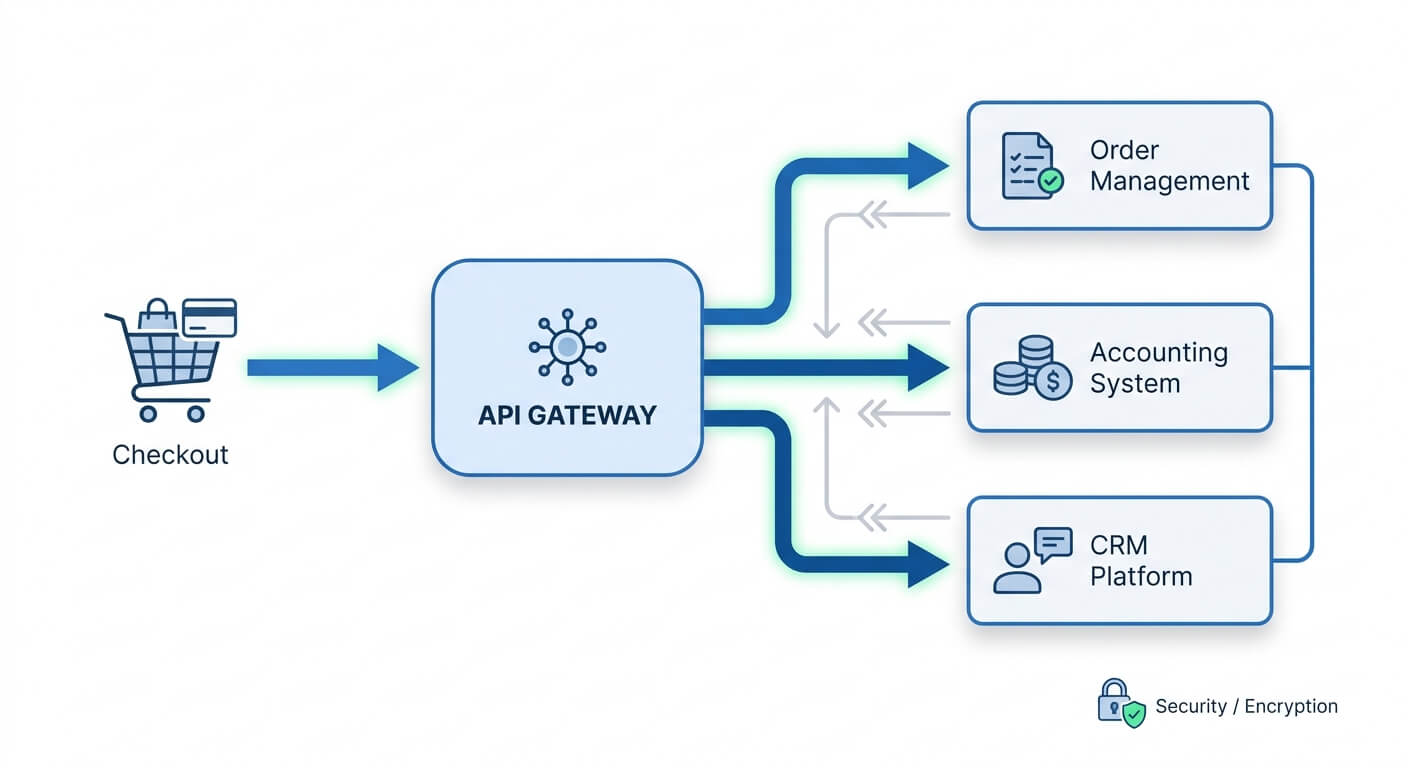
Point-of-sale systems contain valuable performance data but often exist in isolation from HR systems. Process optimisation approaches can connect these systems, allowing sales performance to inform retention models.
Rota and scheduling software holds crucial attendance and preference data. Modern AI platforms can integrate directly with popular scheduling tools, automatically importing shift patterns and attendance records.
Payroll systems provide compensation data that influences retention decisions. Connecting payroll information with performance metrics creates more comprehensive employee profiles.
Customer feedback platforms offer insights into service quality and staff performance. Integrating review scores and customer comments adds valuable context to retention models.
Training management systems track development participation and completion rates. This data helps identify staff who might be disengaging from professional development opportunities.
Internal communication platforms, where used, can provide sentiment analysis opportunities. Changes in communication patterns might indicate shifting attitudes toward work.
The technical challenge lies in connecting systems that weren’t designed to work together. Modern integration platforms can bridge these gaps, creating unified data environments that support comprehensive analysis.
Building a Retention-Focused Culture
Whilst AI provides powerful predictive capabilities, lasting retention improvements require cultural changes that address root causes of staff departure.
Regular feedback mechanisms should become standard practice rather than annual events. Monthly check-ins, quarterly reviews, and ongoing conversations help managers understand staff satisfaction before problems escalate.
Career development planning needs systematic approaches. Even small businesses can create advancement pathways and skill development opportunities that give ambitious staff reasons to stay.
Scheduling practices significantly impact work-life balance. Implementing fair rotation systems, advance notice policies, and flexible arrangements where possible reduces one major source of dissatisfaction.
Recognition programmes acknowledge good performance and build positive workplace cultures. This doesn’t require expensive rewards; consistent acknowledgement and specific praise often prove more effective than monetary incentives.
Team building activities strengthen workplace relationships and create positive associations with the job. Strong team bonds make people less likely to leave and more willing to overlook temporary difficulties.
Management training ensures supervisors have skills to support and retain staff effectively. Many hospitality managers get promoted for operational skills but lack people management training.
Employee involvement in decision-making, where appropriate, increases job satisfaction and commitment. People who feel heard and valued are less likely to look for alternatives.
These cultural improvements work synergistically with AI prediction systems, creating environments where fewer staff want to leave whilst better identifying those who might still choose to go.
The future of hospitality staff retention lies in combining technological insights with human-centred management practices. AI provides the early warning system, but creating workplaces where people want to stay requires committed leadership and systematic attention to employee satisfaction. When businesses get both elements right, they build sustainable competitive advantages through stable, experienced teams that deliver superior customer experiences.
Frequently Asked Questions
How accurate are AI predictions for staff turnover in hospitality?
AI prediction accuracy varies depending on data quality and model sophistication, typically ranging from 70-85% for well-implemented systems. Accuracy improves over time as more historical data becomes available and models are refined. Combining multiple prediction approaches rather than relying on single algorithms generally produces more reliable results for identifying at-risk employees.
What’s the minimum team size needed for AI turnover prediction?
Effective AI turnover prediction typically requires at least 15-20 employees to generate meaningful patterns, though some systems work with smaller teams. Historical data from at least one year improves accuracy significantly. Smaller businesses can start with simpler rule-based systems before transitioning to more sophisticated machine learning models as their workforce and data collection capabilities grow.
Can AI prediction systems work with existing hospitality software?
Most modern AI turnover prediction platforms integrate with common hospitality management systems including point-of-sale, rota scheduling, and payroll software. Integration typically occurs through application programming interfaces that automatically collect relevant data without requiring manual entry. Cloud-based solutions generally offer easier integration than legacy on-premise systems, reducing implementation complexity for small businesses.
How should managers approach staff identified as high-risk?
Managers should address concerning patterns indirectly through normal management activities rather than confrontational discussions about leaving. Focus on resolving underlying issues like scheduling conflicts, workload balance, or career development needs. Regular check-ins and proactive support work better than dramatic retention attempts. Subtlety prevents creating awkwardness or planting departure ideas in satisfied employees.
What are the typical costs for implementing AI turnover prediction?
Implementation costs vary considerably based on business size and system sophistication. Cloud-based solutions designed for small hospitality businesses typically range from $60-$400 monthly, depending on employee numbers and features. Initial setup including system integration and historical data migration might require additional one-time investment. Return on investment usually becomes positive within 6-12 months through reduced recruitment expenses.