Predictive Analytics for Inventory: Transform Retail Operations
Transform retail inventory management with predictive analytics. Reduce excess stock by 20-30%, improve cash flow, and boost customer satisfaction through smarter demand forecasting.
Contents
Predictive analytics can cut excess retail stock by up to 30% while cutting the number of stockouts that lose a sale outright. That’s the difference between ordering from a gut feeling and ordering from what actually sells.
The Reality of Retail Inventory Management
Walk into the back room of any retail business, and you’ll likely see the same scene: boxes stacked high, spreadsheets covered in frantic calculations, and an owner trying to figure out what to order next. It’s a challenge that comes up constantly with small business clients. They know what sold yesterday, but predicting what customers will want next week, next month, or next season feels like pure guesswork.
The numbers tell a stark story. Retail businesses often carry excess inventory while simultaneously experiencing stockouts on their best-selling items. This isn’t just poor planning, it’s the inevitable result of trying to predict complex customer behaviour with basic tools.
Small retailers face a particularly cruel paradox. They lack the massive data sets and sophisticated systems that large chains use to predict demand, yet they’re competing in the same marketplace. A fashion boutique can’t afford to tie up $62,000 in winter coats that won’t sell, but they also can’t afford to run out of their signature pieces during peak season.
Traditional inventory methods rely heavily on historical sales data and seasonal patterns. While these approaches provide some guidance, they struggle with the unpredictability of modern consumer behaviour. Economic shifts, weather changes, social media trends, and local events can all dramatically impact what customers want to buy, often with little advance warning.
Predictive analytics changes this dynamic entirely. Instead of looking backwards and hoping patterns repeat, these systems analyse multiple data streams to forecast demand with remarkable accuracy. They consider not just past sales, but factors like weather forecasts, local event calendars, economic indicators, and even social media sentiment.
Understanding Predictive Analytics in Retail Context
Predictive analytics for inventory management uses machine learning algorithms to analyse vast amounts of data and identify patterns that humans might miss. These systems examine historical sales data, seasonal trends, customer behaviour patterns, external factors like weather and local events, and even broader economic indicators to forecast future demand.
The technology works by creating mathematical models that learn from past data and continuously refine their predictions as new information becomes available. When a customer purchases a red jumper in size medium, the system doesn’t just record that transaction. It considers the time of year, the weather forecast, similar purchases by other customers, and dozens of other variables to predict when someone else might want that same jumper.
What makes modern predictive analytics particularly powerful is its ability to process multiple data sources simultaneously. A traditional inventory system might notice that umbrella sales increase during autumn. A predictive system recognises that umbrella sales spike three days before predicted rainfall, allowing retailers to adjust stock levels proactively rather than reactively.
For small retailers, this technology levels the playing field significantly. A local bookshop can now predict which titles will be popular based on literary award announcements, local school reading lists, and seasonal reading patterns. A hardware store can anticipate demand for specific tools based on local construction permits, weather patterns, and historical maintenance cycles.
The key difference between traditional forecasting and predictive analytics lies in adaptability. Traditional methods apply historical patterns uniformly, assuming that what happened last year will happen again this year. Predictive analytics recognises that every situation is unique and adjusts forecasts based on current conditions.
Modern systems also excel at identifying anomalies and outliers. If sales of a particular product suddenly spike, the system can distinguish between a temporary blip and the beginning of a new trend. This capability proves invaluable for retailers trying to avoid both overordering based on false signals and underordering when genuine demand increases.
Key Benefits for Small and Medium Retailers
The most immediate benefit retailers see is the reduction in carrying costs. Businesses implementing predictive analytics typically reduce excess inventory significantly within the first year. For a small retailer with $125,000 in inventory, this translates to $25,000-$38,000 freed up for other business priorities.
Beyond the financial impact, predictive analytics fundamentally changes how retailers think about their relationship with customers. Instead of hoping the right products are available when customers want them, retailers can confidently stock items knowing there’s genuine demand. This shift from reactive to proactive inventory management reduces the stress and uncertainty that many small business owners experience.
Improved cash flow represents another significant advantage. When retailers can predict demand more accurately, they can optimise their ordering cycles to match cash availability. Instead of placing large orders when funds are tight, they can time purchases to align with expected revenue from predicted sales.
Customer satisfaction improves dramatically when products are consistently available. Nothing frustrates customers more than finding the perfect item online or in a catalogue, only to discover it’s out of stock. Predictive analytics helps ensure popular items remain available while slow-moving inventory gets cleared before it becomes a financial burden.
The technology also reveals hidden patterns in customer behaviour that can inform broader business decisions. A clothing retailer might discover that customers who buy certain accessories are likely to purchase complementary items within two weeks. This insight enables targeted marketing campaigns and strategic product placement that increases overall sales.
Seasonal planning becomes far more sophisticated with predictive analytics. Rather than simply ordering more winter coats when temperatures drop, retailers can anticipate demand based on long-range weather forecasts, fashion trends, and local factors. This capability proves particularly valuable for businesses in tourist areas, where demand can fluctuate dramatically based on external factors.
For retailers managing multiple product categories, predictive analytics helps optimise the overall inventory mix. The system can identify which products generate the highest margins, which items drive foot traffic, and which products customers typically buy together. This holistic view enables smarter decision-making about shelf space allocation and product positioning.
Essential Components of Predictive Inventory Systems

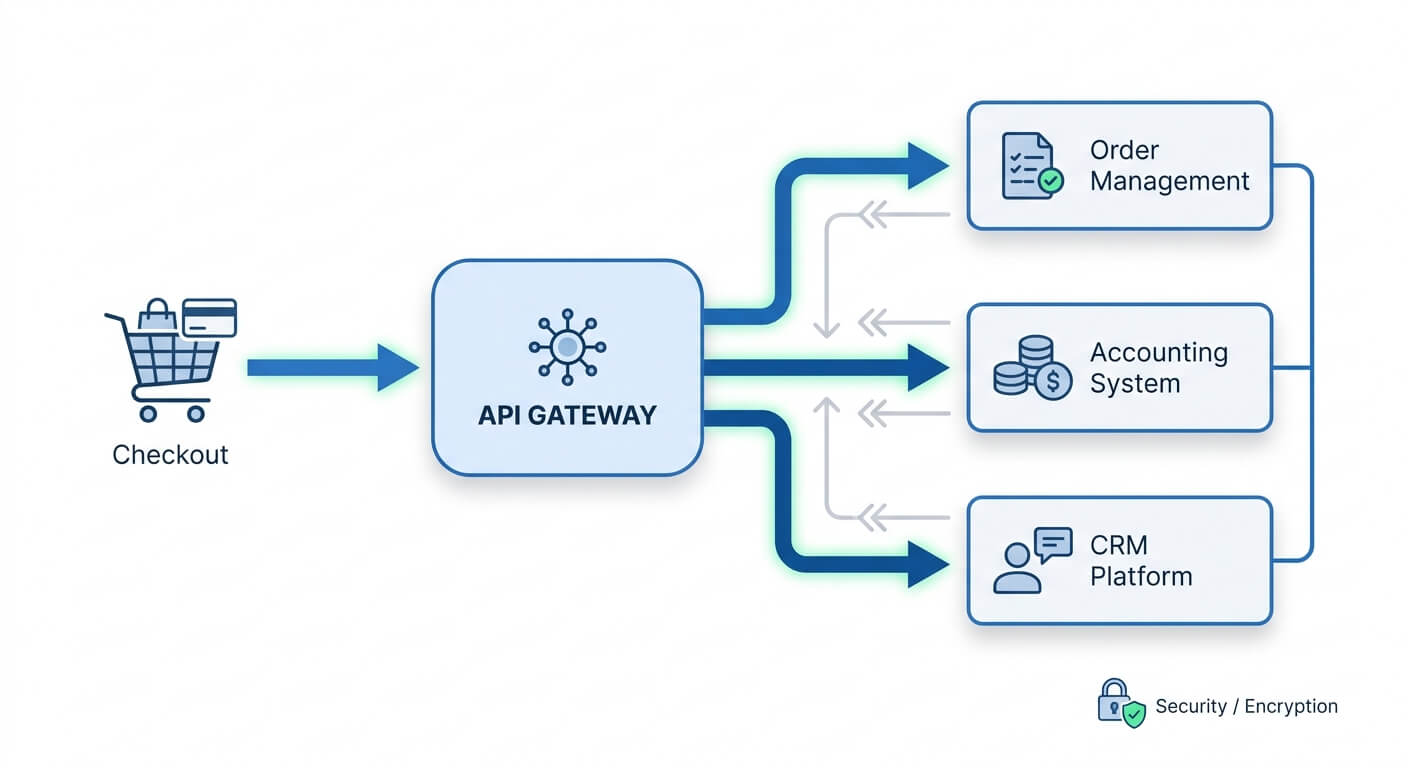
Effective predictive analytics systems require several key components working together seamlessly. Data integration forms the foundation, connecting point-of-sale systems, supplier databases, customer relationship management tools, and external data sources into a unified platform. Without proper integration, even the most sophisticated algorithms cannot deliver accurate predictions.
Real-time data processing capabilities ensure that predictions remain current and relevant. When a product suddenly starts selling faster than expected, the system must immediately adjust forecasts for related items and trigger appropriate responses. This responsiveness distinguishes truly effective systems from basic forecasting tools.
Machine learning algorithms form the analytical heart of these systems. These algorithms continuously learn from new data, refining their predictions as they observe actual sales patterns. The most effective systems use multiple algorithms simultaneously, comparing results to ensure accuracy and reliability.
User-friendly dashboards make complex predictions accessible to busy retailers who don’t have time to interpret raw data. The best systems present actionable recommendations in plain English: “Order 15 more units of Product X by Tuesday” rather than showing complex charts and statistical models.
Integration with existing business systems ensures that predictive insights translate into action. The system should automatically generate purchase orders, update inventory levels, and alert staff when stock levels reach predetermined thresholds. Manual data entry and interpretation defeat the purpose of automation.
External data connectors allow the system to incorporate relevant outside information such as weather forecasts, local event calendars, economic indicators, and industry trends. This external context often provides the crucial edge that makes predictions accurate rather than approximate.
Alert and notification systems ensure that important insights don’t get lost in daily operations. When the system predicts unusual demand for a specific product, it should immediately notify relevant staff members through their preferred communication channels.
Implementation Strategies for SMBs
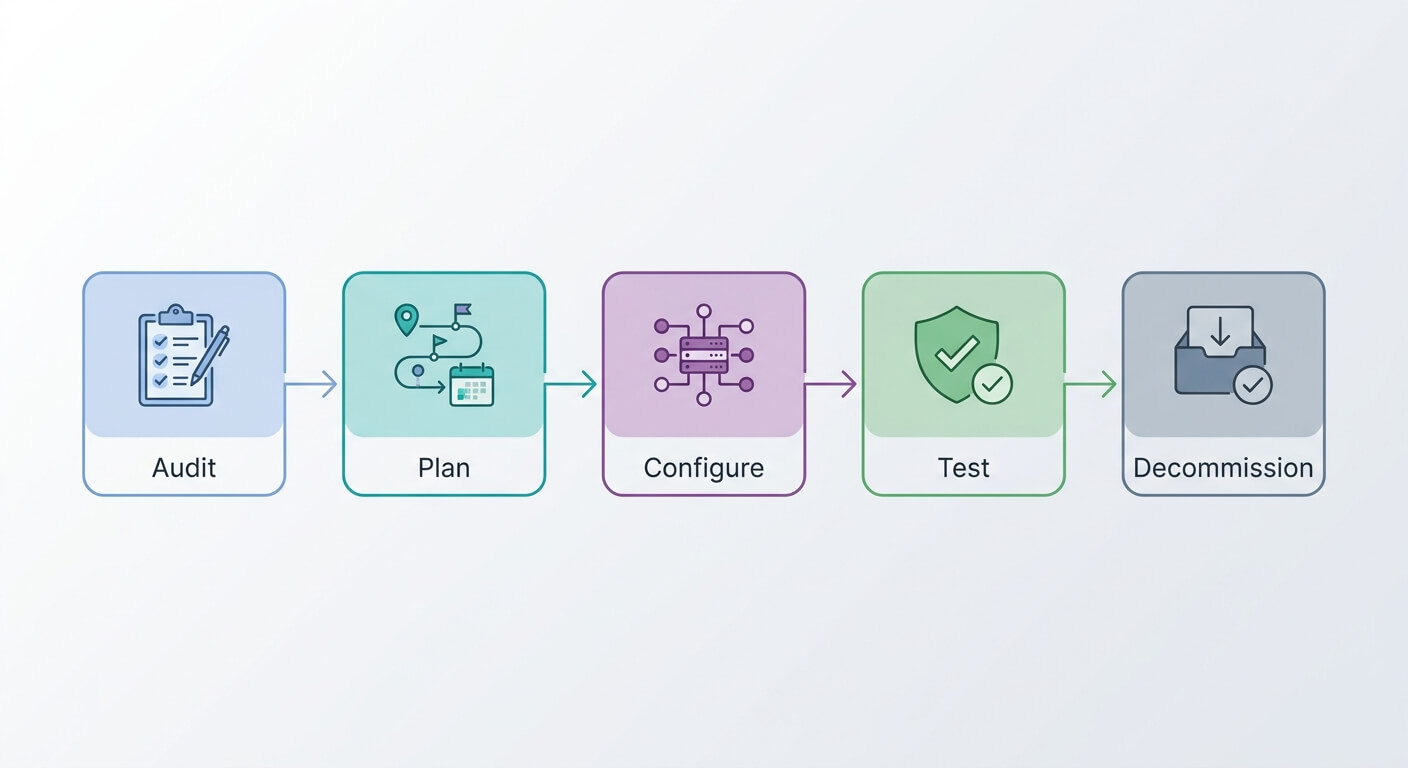
Small businesses should approach predictive analytics implementation gradually, starting with their most important product categories. Trying to analyse every item in inventory simultaneously often leads to information overload and poor decision-making. Focus initially on high-value items, fast-moving products, or categories with historically problematic inventory management.
Data quality assessment must happen before any system implementation. Predictive analytics requires clean, consistent data to function effectively. Many small businesses discover that their existing data needs significant cleanup before it can support sophisticated analysis. This preparation phase often takes longer than expected but proves essential for success.
Staff training should emphasise practical application rather than technical details. Employees need to understand how to interpret system recommendations and when to override automated suggestions based on their local knowledge. The goal is augmenting human expertise, not replacing it.
Integration with existing systems requires careful planning to avoid disrupting daily operations. The most successful implementations happen gradually, with new capabilities added incrementally rather than attempting complete system replacement overnight. This approach allows staff to adapt to new workflows without overwhelming existing processes.
Testing periods help validate system accuracy before making major inventory decisions based on predictions. Start with low-risk products or small order quantities to build confidence in the system’s recommendations. This cautious approach prevents costly mistakes while the system learns your specific business patterns.
Performance monitoring should track both system accuracy and business impact. Measure prediction accuracy, inventory turnover rates, stockout incidents, and carrying costs to quantify the system’s value. Regular performance reviews help identify areas for improvement and justify continued investment in the technology.
Vendor relationships may need adjustment as predictive analytics enables more precise ordering. Suppliers often prefer consistent, predictable orders, while predictive systems may recommend more variable ordering patterns. Clear communication about new ordering approaches helps maintain positive supplier relationships.
Overcoming Common Implementation Challenges
Data quality issues represent the most common obstacle small retailers face when implementing predictive analytics. Historical sales data might contain errors, product codes may be inconsistent, and seasonal patterns might be distorted by one-time events. Addressing these issues requires patience and systematic cleanup, but the investment pays dividends in system accuracy.
Small businesses often struggle with the technical complexity of modern analytics platforms. The key is choosing systems designed specifically for retailers rather than generic analytics tools built for data scientists. Look for solutions that offer pre-configured retail models and industry-specific features rather than requiring extensive customisation.
Staff resistance can undermine even the most sophisticated systems if employees don’t trust or understand the technology. Involving key staff members in the selection and implementation process helps build buy-in. Emphasise how the system will make their jobs easier rather than threatening their expertise.
Cost concerns frequently arise, particularly for small businesses operating on tight margins. However, the cost of not having predictive analytics often exceeds the investment required. Calculate the current costs of excess inventory, stockouts, and manual planning time to build a business case for implementation.
Integration challenges with existing systems can create significant headaches if not addressed properly. Work with vendors who have experience integrating with your specific point-of-sale system, accounting software, and supplier platforms. Seamless integration often matters more than advanced features.
Ongoing maintenance and updates require dedicated attention but often get overlooked in busy retail environments. Establish regular review periods to assess system performance, update algorithms, and incorporate new data sources. Neglected systems quickly become less effective over time.
Measuring Success and ROI
Inventory turnover rates provide the most direct measure of predictive analytics success. Compare turnover rates before and after implementation to quantify improvements in inventory efficiency. Faster turnover indicates better demand prediction and more responsive ordering patterns.
Stockout incidents should decrease significantly as predictive accuracy improves. Track both the frequency and duration of stockouts for key products. The most successful implementations achieve substantial reductions in stockout incidents while maintaining or reducing overall inventory levels.
Carrying cost reductions demonstrate the financial impact of more accurate demand prediction. Calculate the cost of holding excess inventory, including storage space, insurance, depreciation, and opportunity costs. Most retailers see noticeable improvements within the first six months of implementation.
Customer satisfaction metrics often improve as product availability increases and wait times decrease. Monitor customer feedback, return rates, and repeat purchase patterns to assess the customer experience impact. Satisfied customers typically translate into higher long-term revenue.
Time savings for management and staff represent significant but often overlooked benefits. Track the time spent on manual inventory planning, supplier communications, and stock monitoring activities. Automation typically reduces the time small retailers spend on inventory management.
Supplier relationship improvements may result from more consistent and predictable ordering patterns. Better relationships often lead to improved terms, priority allocation during shortages, and access to new products. While harder to quantify, these benefits contribute significantly to long-term business success.
Financial metrics should encompass both direct cost savings and revenue improvements. Track metrics like gross margin improvement, working capital optimisation, and cash flow enhancement. The most successful implementations show positive ROI within 12-18 months, with benefits continuing to compound over time.
Advanced Applications and Future Opportunities
Dynamic pricing integration represents an exciting frontier where predictive analytics can optimise both inventory levels and profit margins simultaneously. By predicting demand patterns, retailers can adjust prices to accelerate slow-moving inventory or maximise revenue from high-demand items. This capability requires sophisticated systems but offers substantial profit improvement potential.
Supplier collaboration platforms enable shared forecasting and more efficient supply chain coordination. When retailers share demand predictions with suppliers, both parties benefit from improved planning and reduced costs. These collaborative approaches work particularly well for small retailers who want to compete with larger chains on availability and pricing.
Multi-channel inventory optimisation helps retailers who sell through multiple channels allocate stock effectively across online, in-store, and wholesale channels. Predictive analytics can identify which channels are likely to experience higher demand for specific products and adjust allocation accordingly.
The integration of AI automation capabilities extends beyond inventory management into broader operational optimisation. Modern systems can automatically generate purchase orders, negotiate with suppliers, and even manage pricing strategies based on predicted demand patterns.
Social media sentiment analysis adds another valuable data source for demand prediction. By monitoring online conversations, reviews, and social media trends, retailers can anticipate demand shifts before they appear in sales data. This early warning capability proves particularly valuable for fashion and lifestyle retailers.
Personalised customer demand prediction takes analytics to the individual level, predicting what specific customers are likely to purchase and when. This capability enables highly targeted marketing campaigns and personalised shopping experiences that drive customer loyalty and increase sales.
Choosing the Right Technology Partners
Selecting appropriate technology partners requires careful evaluation of both technical capabilities and industry experience. Look for vendors who understand retail operations and can demonstrate success with businesses similar to yours. Generic analytics platforms rarely deliver the specialised functionality that retailers need.
Implementation support and training services often determine success more than the underlying technology. Choose partners who provide comprehensive training, ongoing support, and regular system optimisation services. The most sophisticated system becomes worthless if staff can’t use it effectively.
Scalability considerations ensure that your chosen solution can grow with your business. A system that works well for one location might struggle when you expand to multiple stores or add new product categories. Discuss growth plans with potential vendors and ensure their platforms can accommodate future needs.
Integration capabilities with existing systems must be thoroughly evaluated before making commitments. Request detailed technical specifications and, if possible, conduct pilot integrations to verify compatibility. Poor integration often leads to data silos and reduced system effectiveness.
Security and compliance features protect sensitive business and customer data while meeting regulatory requirements. Ensure that potential partners maintain appropriate security certifications and can demonstrate robust data protection practices.
Support for system integration extends beyond initial setup to ongoing maintenance and optimisation. Look for partners who provide regular system updates, performance monitoring, and proactive recommendations for improvement.
Building Internal Capabilities
Developing internal analytics capabilities ensures long-term success and reduces dependence on external vendors. Start by identifying staff members who show aptitude for data analysis and provide them with relevant training opportunities. These internal champions become invaluable for day-to-day system management and strategic decision-making.
Data literacy training should extend beyond technical staff to include managers and key decision-makers. When leadership understands analytics concepts and can interpret system outputs, they make better strategic decisions and provide more effective guidance to their teams.
Regular performance reviews help identify opportunities for system improvements and additional applications. Schedule monthly or quarterly sessions to assess system performance, discuss challenges, and explore new ways to utilise predictive capabilities.
Continuous improvement processes ensure that systems evolve with changing business needs and market conditions. Establish procedures for updating algorithms, incorporating new data sources, and refining prediction models based on actual results.
Knowledge sharing across the organisation helps maximise the value of analytics investments. Create regular meetings where different departments can share insights and discuss how predictive analytics affects their specific responsibilities.
Strategic planning should incorporate analytics capabilities as a competitive advantage rather than simply an operational tool. Consider how better inventory management enables new business models, market expansion, or customer service improvements.
The Path Forward
Predictive analytics for inventory management represents a fundamental shift from reactive to proactive retail operations. The technology transforms guesswork into informed decision-making, reduces financial risk, and improves customer satisfaction. For small and medium retailers, these capabilities provide a genuine opportunity to compete more effectively against larger competitors.
Implementation success depends on choosing appropriate technology, preparing data properly, training staff effectively, and maintaining realistic expectations about timeline and results. The most successful retailers approach analytics as a long-term strategic initiative rather than a quick fix for inventory problems.
The investment required for effective predictive analytics continues to decrease while capabilities expand rapidly. Small retailers who embrace these technologies now position themselves advantageously for future growth and increased profitability.
Support from experienced partners makes implementation far more likely to succeed. Whether through strategic consulting for initial planning or process optimisation for ongoing improvements, the right guidance helps navigate technical challenges and maximise business benefits.
The retailers who thrive in coming years will be those who can predict and respond to customer needs more effectively than their competitors. Predictive analytics provides the tools to make this competitive advantage achievable for businesses of all sizes.
Frequently Asked Questions
What is predictive analytics for inventory management?
Predictive analytics for inventory management uses machine learning algorithms to analyse historical sales data, customer behaviour patterns, external factors like weather and economic indicators, and seasonal trends to forecast future demand. This technology enables retailers to make data-driven decisions about stock levels, reducing excess inventory whilst maintaining product availability.
How much does predictive analytics reduce inventory costs?
Predictive analytics typically reduces excess inventory significantly within the first year of implementation. For a small retailer carrying $125,000 in stock, that translates to $25,000-$38,000 in freed capital available for other business priorities.
Can small retailers afford predictive analytics systems?
Modern predictive analytics solutions are increasingly accessible to small retailers, with costs continuing to decrease whilst capabilities expand. The investment typically generates positive ROI within 12-18 months through reduced carrying costs, fewer stockouts, and improved cash flow. Many vendors offer scaled pricing models specifically designed for small and medium-sized businesses.
How long does it take to implement predictive analytics?
Implementation timelines vary depending on data quality and system complexity, but most small retailers see initial results within 3-6 months. The process includes data preparation, system integration, staff training, and testing periods. Successful implementations happen gradually, with new capabilities added incrementally rather than attempting complete system replacement overnight.
What data sources do predictive inventory systems use?
Effective predictive systems integrate multiple data sources including point-of-sale transactions, historical sales patterns, supplier information, weather forecasts, local event calendars, economic indicators, social media sentiment, and customer relationship management data. This multi-source approach enables more accurate predictions by considering various factors that influence customer purchasing behaviour simultaneously.