Securing Customer Data in AI Tools for Retailers
Learn practical approaches to secure customer data when implementing AI tools in retail. Essential security measures, vendor evaluation, and risk management strategies.
Contents
78% of retailers now process customer data through AI tools, and retailers using AI tools saw 40% more data exposure incidents in 2024. Faster adoption without matching security controls is exactly why that number is rising.
The New Reality of Retail Data Security
Retailers today face an uncomfortable truth. The AI tools that could transform their business also create new vulnerabilities for customer data. Every time you connect an AI system to your customer database, payment records, or shopping behaviour data, you’re opening potential entry points that didn’t exist before.
I’ve watched this tension play out repeatedly across small retailers. A boutique fashion retailer wants to use AI for personalised recommendations. A hardware store needs automated inventory management. A local cafe chain wants predictive ordering. All brilliant ideas that could genuinely improve their business. But each one requires feeding sensitive customer information into systems they don’t fully control.
The challenge isn’t whether to use AI. Retail AI adoption grew over the past year, with automated customer data processing now common among retailers. The question is how to do it without exposing your customers to unnecessary risk.
Understanding What’s Actually at Risk
Customer data in retail extends far beyond names and addresses. Modern retail systems collect purchasing patterns, browsing behaviour, payment preferences, return histories, and increasingly sophisticated behavioural profiles. When this information flows into AI systems, the potential exposure multiplies.
Consider what happens when you implement AI-powered inventory management. The system needs access to sales data, customer purchasing patterns, seasonal trends, and supplier information. Suddenly, a tool designed to optimise stock levels has visibility into your entire customer base and their shopping habits.
Personalisation engines present even broader exposure. These systems analyse customer behaviour across multiple touchpoints, building detailed profiles of individual preferences, spending power, and purchasing triggers. A data breach here doesn’t just expose transaction records; it reveals intimate insights into customer behaviour that competitors would pay handsomely to access.
Retailers using AI tools have been found to experience more data exposure incidents than those using traditional systems. Not because AI tools are inherently less secure, but because they require access to broader data sets and create more integration points where vulnerabilities can emerge.
The financial implications extend beyond immediate breach costs. Under current data protection regulations, retailers face significant penalties for mishandling customer information. More importantly, customer trust, once lost, rarely returns fully. A local retailer who suffers a data breach doesn’t just lose money; they lose the community relationships that small retail depends on.
Common AI Security Vulnerabilities in Retail
Retail AI implementations typically create vulnerabilities in three areas: data transmission, storage, and third-party access. Understanding these helps you identify and address risks before they become problems.
Data transmission vulnerabilities occur when customer information moves between your existing systems and AI platforms. Many retailers connect their point-of-sale systems, customer databases, and inventory management directly to AI tools without adequate encryption or access controls. This creates multiple pathways where data could be intercepted or mishandled.
Cloud-based AI services present particular transmission risks. Every time customer data travels from your local systems to external AI platforms, it passes through networks you don’t control. Without proper encryption and secure transfer protocols, this data becomes vulnerable during transit.
Storage vulnerabilities emerge when AI systems retain customer data beyond what’s necessary for their function. Many AI platforms default to storing all input data to improve their algorithms. For retailers, this means customer information might persist on external servers long after you’ve finished using the AI tool, often without clear retention policies or deletion guarantees.
Third-party access represents perhaps the most complex vulnerability. AI tools rarely operate in isolation. They integrate with analytics platforms, marketing tools, customer service systems, and data processors. Each integration creates additional access points where customer data might be exposed or misused.
A particularly concerning trend is AI tools that share data across their customer base to improve algorithm performance. Your customer data might be used to train models that benefit your competitors, even if it’s supposedly anonymised. Recent analysis suggests that some retail AI platforms engage in cross-customer data utilisation, often buried in terms of service that few retailers read thoroughly.
Evaluating AI Tool Security Standards

Not all AI tools handle security equally. Before implementing any AI system that touches customer data, you need to evaluate its security standards systematically. This isn’t about reading marketing materials; it’s about understanding actual security practices.
Start with data encryption standards. Legitimate AI platforms encrypt data both in transit and at rest using current industry standards. They should provide clear documentation about their encryption methods, key management practices, and access controls. If an AI vendor can’t clearly explain how they protect your data or seems evasive about security practices, that’s a significant warning sign.
Access controls matter enormously. The AI platform should allow you to restrict which data the system can access and how it’s used. Look for granular permissions that let you limit AI access to only the specific data fields necessary for the intended function. A personalisation engine might need purchase history but shouldn’t require payment card information.
Data retention and deletion policies require careful scrutiny. The platform should clearly state how long they retain your data, what happens to it after you stop using their service, and how you can request data deletion. Vague policies or refusal to commit to specific retention periods suggest problematic data handling practices.
Compliance certifications provide useful benchmarks. Look for AI platforms that maintain ISO 27001 certification, SOC 2 compliance, and adherence to relevant data protection regulations. These certifications require regular audits and demonstrate a commitment to maintaining security standards.
Transparency about data usage should be non-negotiable. The AI vendor should clearly explain whether your data is used to train their algorithms, shared with other customers, or sold to third parties. They should also disclose any subcontractors or partners who might have access to your data.
Implementing Data Protection Measures
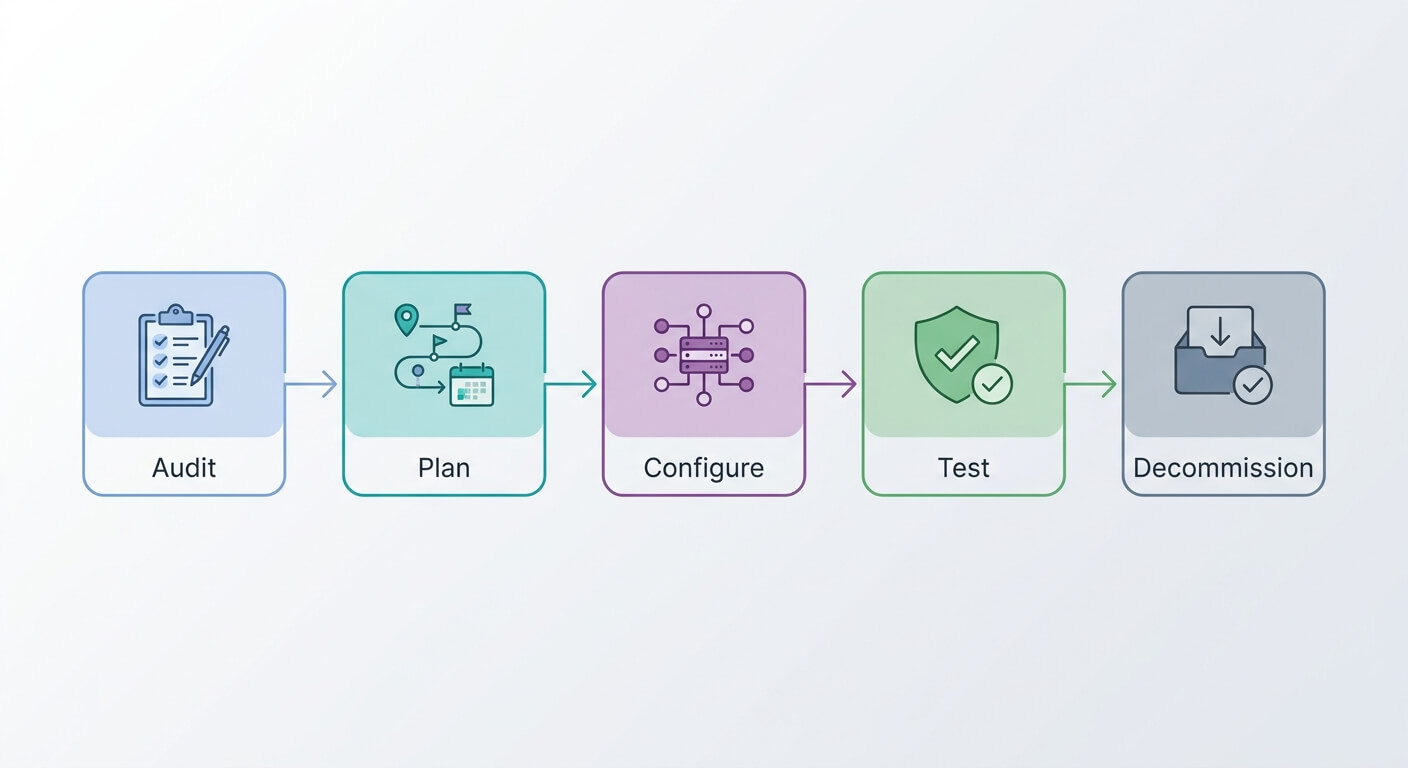
Securing customer data in AI tools requires layered protection that starts before you implement any AI system. The most effective approach combines technical safeguards with operational controls and regular monitoring.
Data minimisation forms the foundation of effective protection. Before connecting any AI tool to customer data, determine exactly what information the system needs to function effectively. Many retailers default to providing complete customer records when the AI tool only requires specific data points. Limiting data access reduces exposure and simplifies security management.
Implement robust access controls within your own systems before integrating AI tools. Create specific user accounts for AI platforms with permissions limited to necessary data sets. This allows you to monitor AI system access and revoke permissions quickly if needed. Many security incidents occur because AI tools have broader access than required for their function.
Encryption at multiple levels provides essential protection. Encrypt sensitive data before it leaves your systems, ensure the AI platform maintains encryption during processing, and verify that stored data remains encrypted. This creates multiple barriers that protect customer information even if one layer fails.
Regular security audits become crucial when using AI tools. Monitor data access logs to identify unusual patterns or unauthorised access attempts. Many AI platforms provide detailed logging that shows exactly what data was accessed and when. Reviewing these logs helps identify potential security issues before they become breaches.
Strategic planning for AI security involves more than just technical measures. Establish clear policies about which AI tools can access customer data, who can authorise new integrations, and what happens if a security incident occurs. Document these policies and ensure your team understands them.
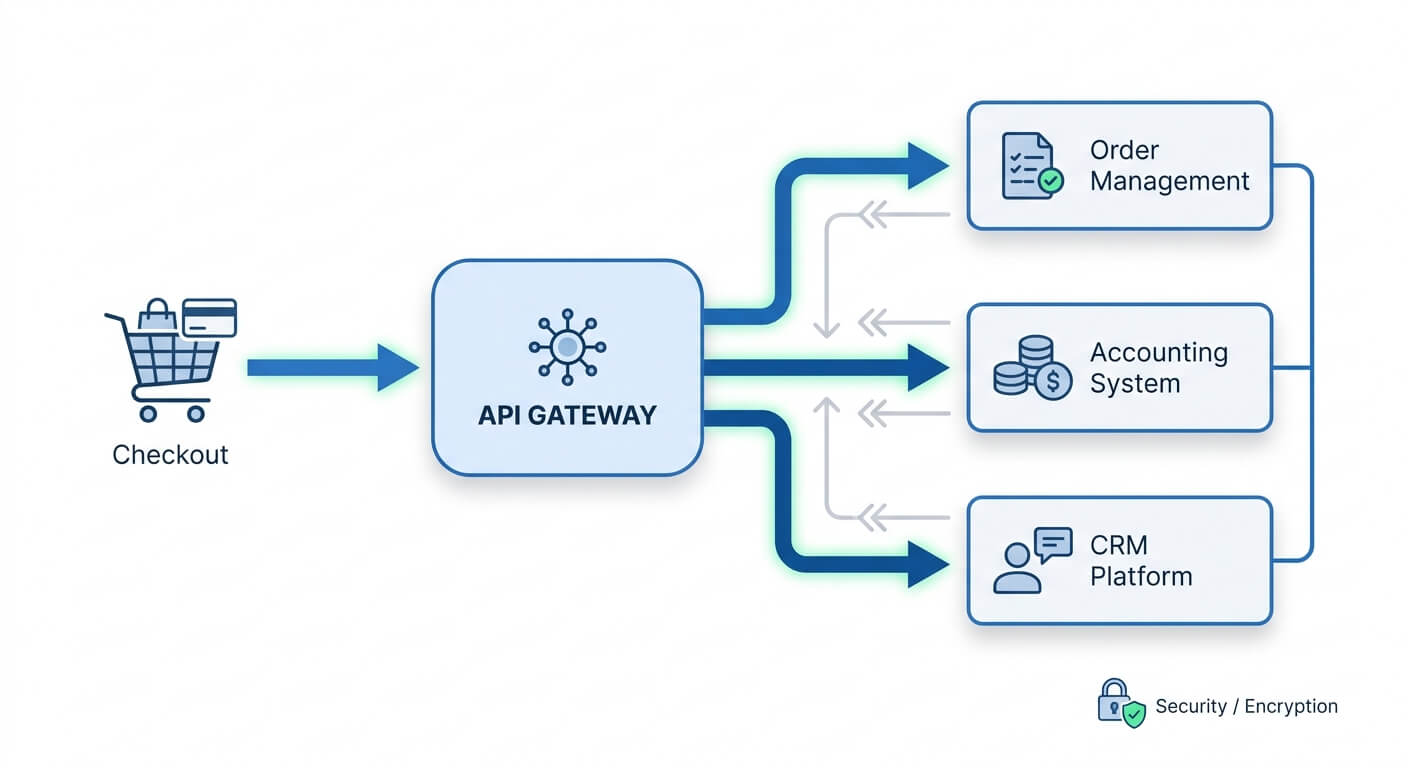
Consider implementing system integration approaches that create additional security layers. Rather than connecting AI tools directly to customer databases, implement intermediate systems that filter and control data flow. This adds complexity but provides much better security control.
Building Secure AI Workflows
Secure AI implementation requires designing workflows that protect customer data throughout the entire process. This means thinking beyond the AI tool itself to consider how data flows through your entire system.
Start by mapping your current data flows. Understand where customer information originates, how it moves through your systems, and where it’s stored. This mapping reveals potential vulnerability points and helps you design more secure workflows. Many retailers discover they have customer data in unexpected places once they complete this exercise.
Create staging environments for AI tool testing and development. Never test AI tools using live customer data. Instead, create anonymised or synthetic data sets that let you evaluate AI functionality without exposing real customer information. This approach prevents data exposure during the evaluation and implementation phases.
Implement data transformation processes that filter sensitive information before it reaches AI systems. For example, a demand forecasting AI might need sales volumes and product categories but doesn’t require individual customer identities or payment information. Transforming data to remove unnecessary personal details reduces exposure while maintaining AI effectiveness.
Develop rollback procedures for AI integrations. If you discover security issues or need to disconnect an AI tool quickly, you should be able to do so without disrupting core business operations. This requires maintaining alternative processes and ensuring your team knows how to implement them.
Monitor AI system behaviour continuously. Establish baselines for normal data access patterns and alert mechanisms for unusual activity. Many security incidents involve gradual changes in data access that go unnoticed without proper monitoring. Early detection often prevents minor issues from becoming major breaches.
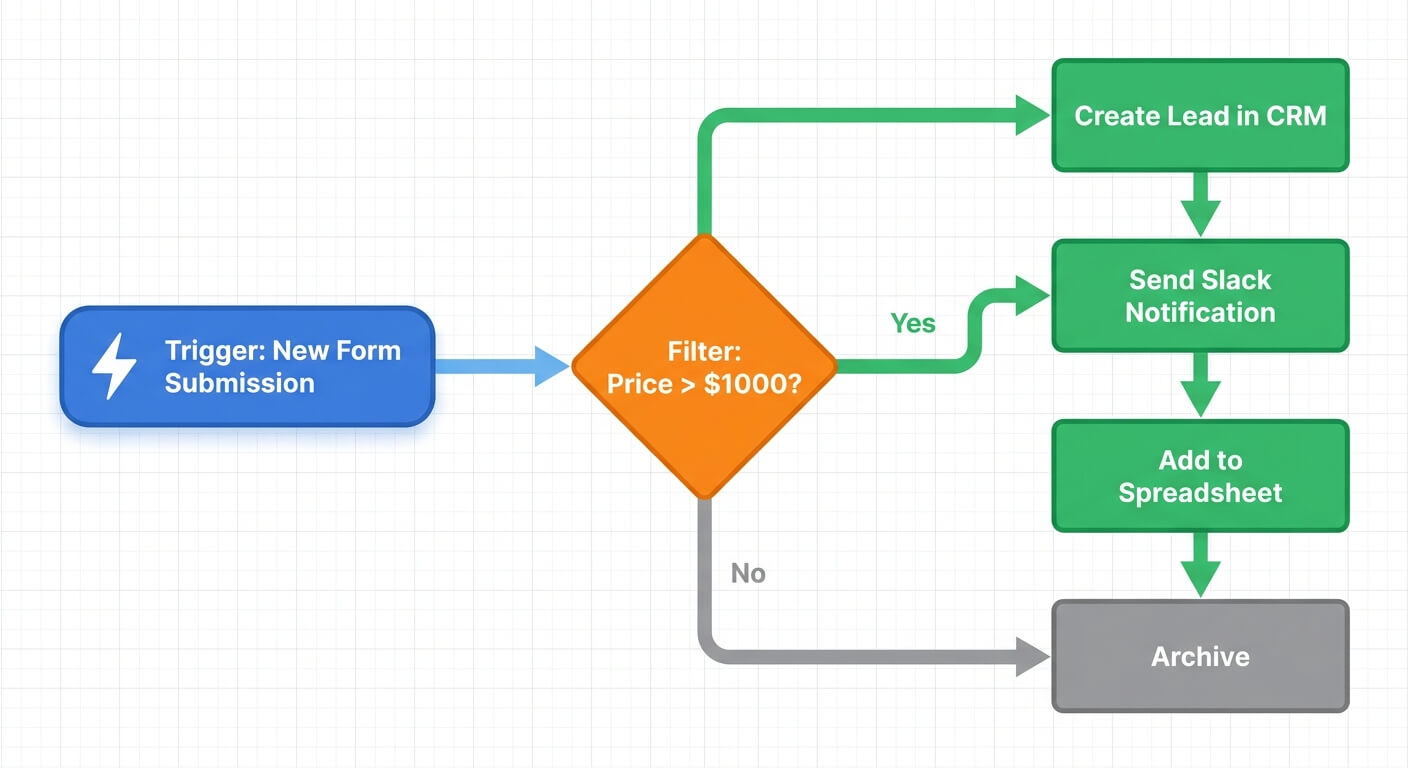
Process optimisation becomes essential when implementing secure AI workflows. The additional security measures will add some complexity to your operations. Streamlining other aspects of your workflow helps maintain efficiency while improving security.
Managing Third-Party AI Vendors
Working with AI vendors requires a different approach to vendor management than traditional software relationships. The access these tools require to customer data creates ongoing risk that extends beyond the initial implementation.
Due diligence for AI vendors should go deeper than standard software evaluation. Request detailed information about their security practices, data handling procedures, and incident response capabilities. Legitimate vendors will provide this information readily; reluctance to share security details suggests potential problems.
Contractual protections become crucial when dealing with AI vendors. Your agreements should clearly specify data usage rights, retention periods, deletion procedures, and liability for security incidents. Don’t accept standard terms that give the vendor broad rights to your data. Negotiate specific provisions that protect your customers’ information.
Ongoing vendor monitoring shouldn’t stop after implementation. AI vendors can change their security practices, be acquired by other companies, or experience their own security incidents. Establish regular review processes to ensure your vendors continue meeting your security requirements.
Incident response planning must address vendor-related security issues. If your AI vendor experiences a data breach, you need clear procedures for assessing impact, notifying affected customers, and taking protective action. Many data protection regulations hold you responsible for vendor security failures, so you can’t simply defer to their incident response.
Exit strategies require careful planning when dealing with AI vendors. If you need to discontinue using an AI platform, you should be able to retrieve your data completely and verify its deletion from vendor systems. Plan these procedures before you need them; trying to extract data during a security incident or vendor dispute rarely goes smoothly.
Balancing Security with AI Benefits
The goal isn’t perfect security at the expense of AI benefits. It’s finding the right balance that protects customer data while allowing you to realise meaningful improvements to your business. This requires making informed trade-offs rather than avoiding AI entirely or ignoring security concerns.
Risk-based decision making helps you prioritise security investments. Not all customer data carries the same risk. Payment information requires stronger protection than general purchasing preferences. Product recommendations present different risks than predictive inventory management. Focus your strongest security measures on the highest-risk applications.
Phased implementation allows you to build AI capabilities while managing security incrementally. Start with AI applications that require minimal customer data access, such as inventory optimisation or supplier management. Build your security capabilities and confidence before moving to more sensitive applications like personalisation or customer analytics.
Cost-benefit analysis for security measures should consider both direct costs and business impact. Additional security controls cost money and add operational complexity. However, data breaches cost significantly more and can damage customer relationships permanently. Most retailers find that investing in proper security pays for itself by preventing much larger incident costs.
AI automation implementations should always include security as a core requirement, not an afterthought. When you design AI workflows with security built in from the start, you avoid the much more expensive process of retrofitting security controls later.
Customer communication about AI usage can actually enhance trust rather than undermining it. Many customers appreciate knowing that you’re using their data responsibly to improve their experience. Being transparent about your AI usage and security measures often increases customer confidence rather than raising concerns.
Monitoring and Incident Response
Ongoing monitoring and incident response capabilities are essential when using AI tools with customer data. Unlike traditional software where security incidents are often obvious, AI-related data exposures can be subtle and persist for months before detection.
Establish monitoring systems that track data access patterns, unusual queries, and system behaviour changes. Many AI platforms provide detailed logging that shows exactly what data was accessed and how it was used. Regular review of these logs helps identify potential security issues early.
Automated alerting for suspicious activity becomes crucial as AI systems operate continuously. Set up alerts for unusual data access volumes, access from unexpected locations, or queries that don’t match normal AI system behaviour. Early detection often prevents minor issues from becoming significant breaches.
Incident response procedures for AI systems require specific considerations. Traditional incident response focuses on stopping attacks and restoring systems. AI security incidents often involve data misuse or exposure that requires different response approaches. You need procedures for assessing data exposure, notifying affected customers, and working with AI vendors to resolve issues.
Documentation and evidence preservation matter enormously during AI security incidents. Maintain detailed records of what data was accessed, when exposure occurred, and what corrective actions were taken. Data protection regulators increasingly scrutinise AI-related incidents and expect comprehensive documentation of response efforts.
Marketing automation systems often integrate closely with AI tools and require coordinated incident response. If customer data is exposed through AI systems, you may need to adjust marketing campaigns, customer communications, and relationship management approaches while you address the security issue.
Future-Proofing Your Data Security
AI technology evolves rapidly, and security approaches that work today may become inadequate as capabilities advance. Building adaptable security frameworks helps protect against both current and emerging threats.
Technology monitoring should include tracking developments in AI security, new threat vectors, and evolving best practices. The AI security environment changes much faster than traditional cybersecurity, requiring more frequent updates to your protective measures.
Regulatory changes increasingly focus on AI usage and data protection. New regulations often include specific requirements for AI systems that handle personal data. Staying ahead of regulatory changes helps avoid compliance issues and demonstrates good faith efforts to protect customer information.
Skill development for your team becomes essential as AI security requirements evolve. Traditional IT security skills don’t fully address AI-specific risks. Invest in training that helps your team understand AI security principles, vendor evaluation techniques, and incident response procedures.
Vendor relationship management should anticipate security requirement changes. Your AI vendors should demonstrate commitment to improving security practices and adapting to new threats. Vendors who view security as a one-time implementation rather than an ongoing process present increasing risk over time.
Architectural flexibility helps you adapt security measures as threats evolve. Design your AI integrations with modularity that allows you to upgrade security controls, change vendors, or modify data flows without rebuilding entire systems. This flexibility becomes invaluable as requirements change.
Making Security Practical for Small Retailers
Large retailers have dedicated security teams and substantial budgets for protecting customer data. Small retailers need practical approaches that provide effective protection without requiring extensive resources or technical expertise.
Prioritisation helps small retailers focus limited resources on the most important security measures. Start with basic data encryption, access controls, and vendor evaluation. These foundational measures address the majority of common risks without requiring complex implementation or ongoing management.
Automated security tools can provide enterprise-level protection with minimal manual management. Many security vendors offer AI-specific monitoring and protection tools designed for smaller businesses. While these tools cost money, they’re typically much less expensive than hiring security specialists or recovering from data breaches.
Partnership approaches allow small retailers to access security expertise they couldn’t afford individually. Consider working with IT consultants who specialise in retail security or joining industry groups that share security resources and best practices. Shared knowledge and resources make effective security more accessible.
Web development projects should incorporate AI security considerations from the planning stage. If you’re building or upgrading retail systems, designing security controls into the architecture costs much less than adding them later.
Community resources provide valuable security information tailored to retail businesses. Industry associations, small business development centres, and government agencies offer guidance on data protection that’s specifically relevant to retail operations. These resources often provide practical advice without requiring significant technical background.
The key is starting with basic protection and improving incrementally rather than trying to implement comprehensive security all at once. Small steps consistently applied provide much better protection than ambitious plans that never get fully implemented.
Customer data security in AI tools isn’t about avoiding technology; it’s about using it responsibly. The retailers who succeed will be those who find practical ways to harness AI benefits while maintaining their customers’ trust through thoughtful data protection.
Frequently Asked Questions
What’s the most critical security measure when implementing AI tools in retail?
Data minimisation stands as the most critical security measure. Before connecting AI tools to your systems, identify exactly which data fields the tool genuinely needs to function effectively. Limiting AI access to only necessary information dramatically reduces your exposure whilst maintaining system functionality and simplifying security management across your retail operations.
How do I know if an AI vendor has adequate security standards?
Request documentation about encryption methods, access controls, and compliance certifications such as ISO 27001 or SOC 2. Legitimate vendors provide clear explanations of their security practices readily. Look for transparent data retention policies, detailed incident response procedures, and willingness to negotiate contractual protections. Evasiveness about security practices represents a significant warning sign.
Can small retailers afford proper AI security measures?
Absolutely. Start with foundational measures like basic encryption, access controls, and thorough vendor evaluation, which address most common risks without substantial investment. Automated security tools designed for smaller businesses provide enterprise-level protection at reasonable costs. Incremental improvements consistently applied offer better protection than ambitious plans that remain unimplemented due to resource constraints.
What should I do if my AI vendor experiences a data breach?
Activate your incident response procedures immediately. Assess what customer data may have been exposed, notify affected customers according to regulatory requirements, and document all actions taken. Review your contractual agreements regarding vendor liability and work with the vendor to understand the breach scope. Consider temporarily disconnecting the AI tool whilst you evaluate ongoing risks.
How often should I review AI security measures?
Conduct formal security reviews quarterly at minimum, given how rapidly AI technology and threats evolve. Monitor vendor security practices continuously, review data access logs monthly, and update your security policies whenever you add new AI tools or modify existing integrations. The AI security environment changes faster than traditional cybersecurity, requiring more frequent attention.