How AI Chatbots Qualify Retail Leads While Keeping Customer Data GDPR Safe
Discover how AI chatbots qualify retail leads around the clock whilst maintaining full GDPR compliance. Practical setup guidance for SMB retailers.

Contents
The Short Answer: Yes, You Can Have Both Speed and Compliance
Retail businesses using AI chatbots for lead qualification report improved conversion rates compared to traditional web forms. The key is configuring your chatbot to collect only essential data, obtain explicit consent before storing information, and process conversations through GDPR-compliant infrastructure. This approach lets you capture and qualify leads 24 hours a day without risking fines that can reach €20 million or 4% of annual turnover.
Most retail owners I’ve spoken with assume they face a binary choice. Either deploy AI chatbots and accept compliance risk, or stick with slow manual processes and lose leads to competitors. This assumption is wrong. The regulations don’t prohibit automated lead qualification. They simply require you to handle personal data responsibly.
Why Traditional Lead Capture Is Costing Retailers Sales
Traditional contact forms and “we’ll get back to you” messages simply don’t cut it anymore. By the time your team responds the next morning, that potential customer has already bought from a competitor who replied instantly.
The Speed Gap Problem
Consider what happens when a shopper lands on your website at 9pm. They’re interested in a product but have questions about sizing, delivery, or compatibility. With a traditional setup, they fill out a form. Maybe they get an auto-reply confirming receipt. Then they wait.
During that wait, they search for alternatives. They find a competitor with a chatbot that answers their question in seconds. They buy there instead.
This pattern repeats hundreds of times daily across the retail sector. The businesses losing these sales aren’t providing bad products or poor service. They’re simply too slow.
AI chatbots solve this by providing instant responses. But for UK and EU retailers, there’s an immediate concern: how do you handle the personal data these conversations generate?
Understanding GDPR Requirements for Chatbot Conversations
The Information Commissioner’s Office (ICO) in the UK and equivalent bodies across Europe treat chatbot conversations as personal data processing. This classification applies even to seemingly innocent exchanges. According to ICO guidance on AI and data protection, any conversation where a person can be identified, directly or indirectly, falls under GDPR scope.
What Counts as Personal Data in a Chat
You might think a simple product question doesn’t involve personal data. However, consider what a typical chatbot interaction captures:
- IP address (logged automatically by most platforms)
- Browser fingerprint and device information
- Any names, email addresses, or phone numbers the visitor provides
- Location data if delivery questions arise
- Purchase history if the chat links to their account
Each of these elements can identify an individual. Combined, they create a detailed profile. Under GDPR, you need a lawful basis to collect and process this information.
The good news? Legitimate interest and consent both provide valid grounds for lead qualification chatbots. You just need to implement them correctly.
For deeper guidance on data protection frameworks, my article on GDPR compliance for financial SMBs using AI data tools covers the foundational principles that apply across sectors.
Setting Up a Compliant Chatbot: Practical Steps
Predictions suggest that emerging technologies like chatbots will increasingly feature in customer interactions in the coming years. For retailers implementing these systems, compliance needs to be built in from day one, not bolted on as an afterthought.
Step 1: Choose a Compliant Platform
Not all chatbot platforms are created equal. Before selecting a provider, verify the following:
- Data residency: Where are conversations stored? EU-based servers simplify compliance.
- Processing agreements: Does the provider offer a Data Processing Agreement (DPA)?
- Retention controls: Can you set automatic deletion periods?
- Export and deletion: Can users request their data or have it removed?
Platforms like Intercom, Drift, and Tidio offer GDPR-specific features. Open-source options like Botpress give you complete control over data handling but require more technical setup.
Step 2: Implement Consent Capture
Before your chatbot collects any personal information, it must obtain consent. This doesn’t mean burying terms in a privacy policy. It means active, informed agreement.
A compliant consent flow looks like this:
- Visitor initiates chat or chatbot proactively greets them
- Before asking for any personal details, the bot displays a consent message
- The visitor actively clicks “I agree” or similar
- Only then does the bot proceed to collect data
The consent message should explain what data you’ll collect, why you need it, and how long you’ll keep it. Keep it concise but complete.
Step 3: Minimise Data Collection
GDPR’s data minimisation principle requires you to collect only what’s necessary. For lead qualification, this typically means:
- Name (to personalise follow-up)
- Email or phone (to continue the conversation)
- Product interest (to route them appropriately)
You don’t need their full address, date of birth, or extensive demographic information just to qualify a lead. Save detailed data collection for later in the customer journey when it becomes relevant.
My guide on securing customer data in AI tools for retailers provides additional detail on minimisation strategies.
Qualifying Leads Without Overstepping
Effective lead qualification requires asking the right questions to determine purchase intent and fit. The challenge lies in gathering enough information to score leads accurately without collecting excessive personal data.
Questions That Qualify Without Invading Privacy
Focus on behavioural and preference data rather than personal demographics:
- “What brings you to our store today?” (intent signal)
- “Are you shopping for yourself or as a gift?” (context)
- “What’s your budget range for this purchase?” (qualification)
- “When are you looking to a decision?” (urgency)
These questions provide strong qualification signals without requiring sensitive personal information. A lead who says they’re buying a gift with a specific budget and need it by next week is highly qualified. You know this without asking for their employer, income bracket, or other invasive details.
Integrating With Your CRM Compliantly
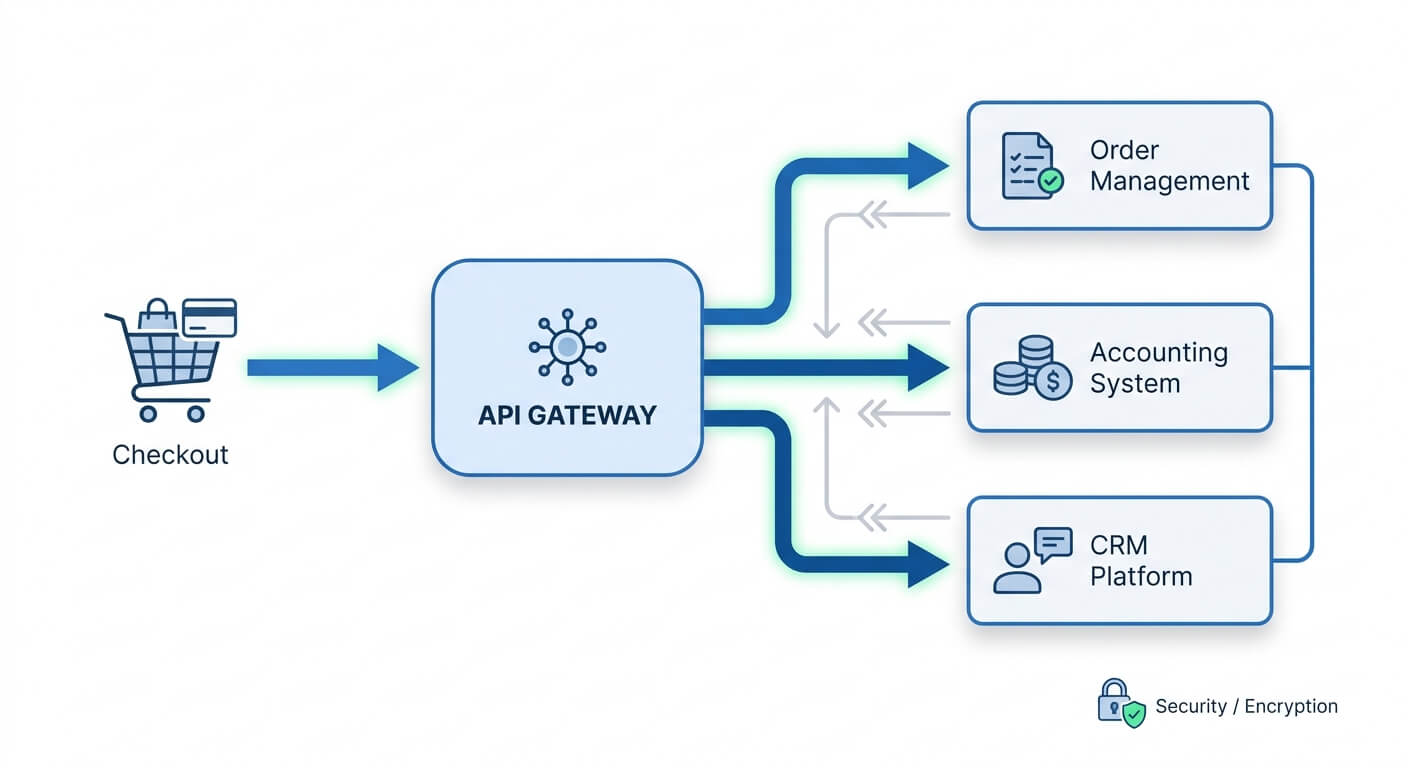
Once your chatbot qualifies a lead, that information needs to flow into your sales process. This typically means sending data to your CRM. Compliance considerations include:
- Purpose limitation: Only transfer data fields relevant to sales follow-up
- Access controls: Limit who can view chatbot-sourced leads
- Audit trails: Track who accessed what data and when
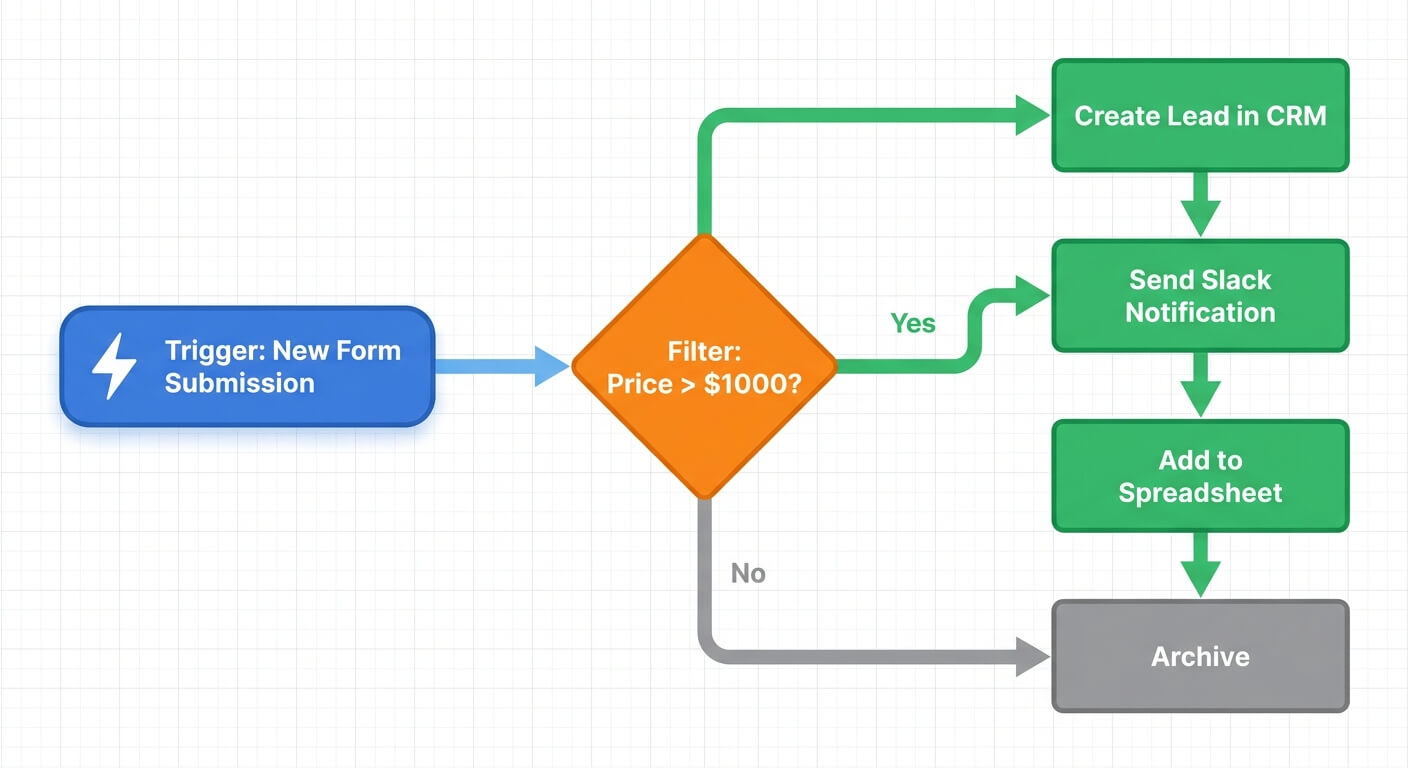
Automation platforms like n8n and Zapier can facilitate this transfer. The key is configuring them to map only necessary fields rather than dumping entire conversation logs into your CRM.
For practical guidance on connecting these systems, my CRM and accounting integration guide covers the technical approach.
The Counterintuitive Truth: Compliance Improves Conversion
Here’s something most retailers don’t expect: GDPR-compliant chatbots often convert better than their non-compliant counterparts. UK consumers are more likely to share data with brands they trust to protect it.
When your chatbot explicitly asks for consent and explains data usage, you signal trustworthiness. Visitors who consent are genuinely interested. They’re higher quality leads.
Contrast this with aggressive data collection that makes visitors uncomfortable. They might provide information to get their question answered, but they’ll hesitate before purchasing. Or they’ll abandon the chat entirely.
Building Trust Through Transparency
Use your compliance requirements as a competitive advantage:
- Display a brief data policy statement at chat start
- Offer a “chat anonymously” option for product questions
- Include a one-click data deletion request in chat
- Provide clear information about data retention periods
These features don’t just satisfy regulators. They reassure customers. That reassurance translates directly into higher conversion rates and larger order values.
Monitoring and Maintaining Compliance
GDPR compliance isn’t a one-time configuration. It requires ongoing attention. Compliance failures often stem from policy drift rather than initial misconfiguration.
Regular Audit Checklist
Monthly, review the following:
- Consent rates: What percentage of visitors agree to data collection?
- Data requests: Have you received and fulfilled any access or deletion requests?
- Retention compliance: Is old data being deleted according to your policy?
- Platform updates: Has your chatbot provider changed any data handling practices?
Quarterly, conduct a deeper review:
- Test the consent flow as a visitor would experience it
- Verify data actually deletes when retention periods expire
- Review all third-party integrations receiving chatbot data
- Update your privacy policy if any practices have changed
Documenting these reviews protects you if regulators ever ask questions. It also ensures small problems don’t compound into major violations.
Practical Implementation Timeline
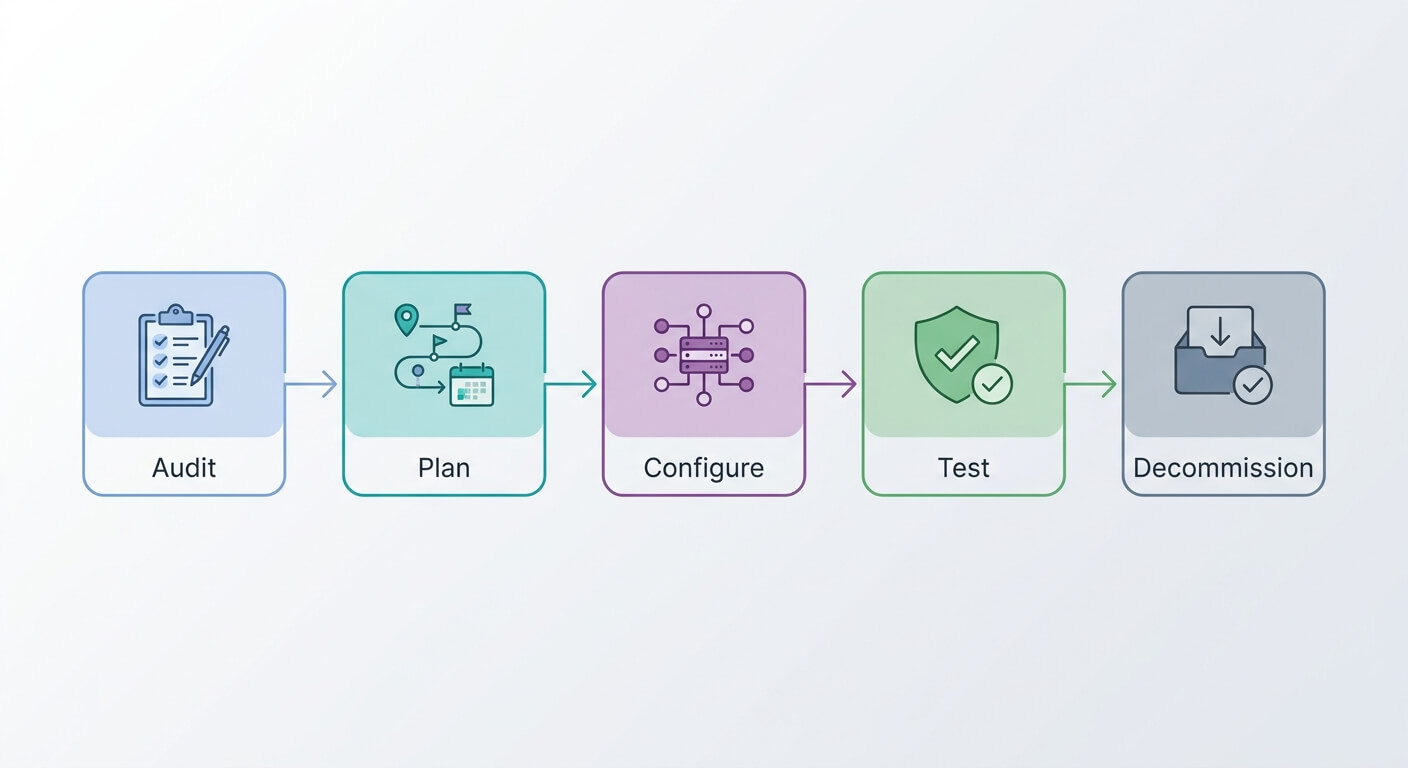
For retailers ready to deploy compliant lead qualification chatbots, here’s a realistic timeline based on businesses I’ve worked with:
Week 1-2: Platform Selection and DPA
- Evaluate chatbot platforms against compliance requirements
- Negotiate and sign Data Processing Agreements
- Configure EU data residency if available
Week 3-4: Consent Flow Design
- Draft consent language with your legal team
- Design the user experience for consent capture
- Build and test the consent mechanism
Week 5-6: Lead Qualification Logic
- Define your qualification criteria
- Build chatbot conversation flows
- Integrate with CRM using minimal data transfer
Week 7-8: Testing and Launch
- Internal testing of all flows
- Soft launch to limited traffic
- Monitor consent rates and adjust messaging
- Full launch with ongoing optimisation
This timeline assumes a straightforward implementation. Complex retail operations with multiple product lines or international customers may need additional time.
For guidance on prioritising automation projects, my AI roadmap guide helps you sequence implementations effectively.
Frequently Asked Questions
Can AI chatbots process customer data under GDPR without explicit consent?
In most retail lead qualification scenarios, you need explicit consent before collecting personal data through chatbots. The exception is if you can demonstrate legitimate interest, but this requires documented assessment showing your interest doesn’t override the individual’s rights. For most SMB retailers, obtaining clear consent is simpler and safer than relying on legitimate interest grounds.
What happens if a customer requests deletion of their chatbot conversation data?
You must delete all personal data from that conversation within one month of receiving the request. This includes data in your chatbot platform, CRM, email marketing tools, and any backups. Document the deletion and confirm completion to the requester. Configure your systems to enable rapid data location and removal before you receive requests.
Do I need a Data Protection Officer to use AI chatbots for lead qualification?
Most SMB retailers don’t require a formal DPO. GDPR mandates a DPO only for public authorities or organisations whose core activities involve large-scale systematic monitoring. However, you still need someone responsible for data protection compliance. This can be an existing team member with appropriate training rather than a dedicated hire.
How long can I retain chatbot conversation data under GDPR?
GDPR doesn’t specify exact retention periods. You must keep data only as long as necessary for its purpose. For lead qualification, this typically means retaining unconverted lead data for 12-24 months maximum. Converted customers’ data can be retained longer for order fulfilment and customer service. Document your retention periods and the reasoning behind them in your privacy policy.