The Meeting Time Tax: How Transcription AI Reclaims Hours for Small Teams
Discover how transcription AI eliminates the hidden meeting time tax that's costing small businesses hours weekly. Practical implementation guide for busy teams.

Contents
Transcription AI changes the meeting time tax fundamentally. Not by making meetings shorter, but by eliminating the time tax that follows them. Transcription AI typically costs $25 to $100 a month at small business usage levels.
Writing up notes, distributing action points, and following up after a meeting should take fifteen minutes. For most small business owners it stretches into an hour or more, and that gap, not the meeting itself, is the real cost.
This is the meeting time tax, and it’s costing small businesses far more than they realise. Every discussion generates administrative overhead that pulls you away from what actually drives revenue. The worst part? Most of this work happens after hours, eating into personal time when you should be switching off.
I’ve watched capable small business teams get buried under this invisible workload time and again. A one-hour strategy session becomes three hours of total time investment when you factor in preparation, the meeting itself, and the follow-up work. The mathematics are brutal: if you’re having four substantive meetings per week, you’re losing an entire working day to administrative tasks.
The Real Cost of Manual Meeting Administration
Most business owners underestimate how much time they spend on post-meeting tasks. Managers spend a substantial part of their working hours in meetings, though this only captures time spent in the actual discussions. The hidden cost lies in what happens next.
Consider a typical week for a small business owner. Monday morning’s supplier meeting requires notes to be typed up and shared with the operations team. Tuesday’s client consultation needs a follow-up email with project timelines. Wednesday’s team briefing generates action points that need tracking. By Friday, you’ve accumulated hours of administrative work that pushes other priorities into evenings and weekends.
This pattern creates a cascading effect. The time you spend transcribing meeting notes is time not spent on business development, customer service, or strategic planning. More critically, it’s often time stolen from personal life, because the urgent admin tasks can’t wait until tomorrow.
The mathematics become clearer when you apply hourly rates to this hidden work. If your time as a business owner is worth $60 per hour, and you spend six hours weekly on meeting administration, that represents $400 of opportunity cost. Over a year, this totals $20,000 of your most valuable resource being consumed by tasks that add no direct value to your business.
How Transcription AI Works in Practice
Transcription AI operates by converting spoken words into written text in real-time or near real-time. During your meeting, the software captures audio through your computer, phone, or dedicated recording device, then processes the speech using advanced algorithms that recognise patterns, context, and individual speakers.
Modern transcription systems have evolved beyond simple speech-to-text conversion. They can identify different speakers, distinguish between discussion and action points, and even highlight key decisions or commitments made during the conversation. This contextual understanding means you receive not just a verbatim transcript, but a structured document that reflects the flow and purpose of your meeting.
The technology works across various meeting formats. Whether you’re conducting face-to-face discussions, phone calls, or video conferences, transcription AI adapts to capture the audio input and deliver formatted output. Integration with popular platforms like Microsoft Teams, Zoom, or Google Meet means the process becomes seamless rather than requiring additional technical setup.
What distinguishes professional-grade transcription AI from basic recording apps is accuracy and intelligent formatting. While free alternatives might capture 85-90% of words correctly, business-focused solutions achieve 95-98% accuracy whilst organising content into logical sections. This difference matters significantly when you’re relying on the output for client communications or project planning.
Choosing the Right Transcription Solution
Not all transcription AI tools serve small businesses equally well. The key factors to evaluate are accuracy, integration capabilities, and output formatting rather than simply choosing the cheapest option available.
Accuracy remains the fundamental requirement. A transcript filled with errors creates more work than taking manual notes, as you need to spend time correcting mistakes before sharing the content. Look for solutions that specifically mention their accuracy rates and offer trial periods where you can test performance with your typical meeting scenarios.
Integration capabilities determine how smoothly the tool fits into your existing workflow. If you primarily use Microsoft Office, transcription software that exports directly to Word or integrates with Outlook will save additional formatting time. For businesses using Google Workspace, tools that work seamlessly with Google Docs and Calendar become more valuable.
Output formatting separates professional solutions from basic recording apps. Advanced transcription AI can identify action items, tag different speakers, and highlight key decisions without manual intervention. This intelligent processing means you receive a structured document ready for distribution rather than a wall of undifferentiated text.
Security considerations matter particularly when discussing sensitive business information or client details. Ensure any transcription service you evaluate offers appropriate data protection, preferably processing audio locally rather than uploading recordings to external servers. Establish exactly where your recordings are processed and stored before you commit, and get the answer in writing.
Cost structures vary significantly between providers. Some charge per hour of transcription, others offer monthly subscription models, and enterprise solutions may require annual commitments. Calculate your typical monthly meeting hours to determine which pricing model offers better value for your usage patterns.
Implementation Strategy for Small Teams
Introducing transcription AI requires more consideration than simply purchasing software and hoping your team adopts it. Successful implementation starts with identifying which meetings will benefit most from automated transcription.
Begin with structured meetings that generate actionable outputs: client consultations, project planning sessions, or strategic planning discussions. These conversations naturally produce content that needs distributing to other team members or following up with external parties. Avoid starting with informal catch-ups or brainstorming sessions where the transcription might feel intrusive.
Team preparation matters significantly for transcription accuracy. Brief participants on speaking clearly and avoiding simultaneous conversations. Establish simple protocols like stating names when someone new joins the discussion or clearly announcing when decisions are made. These small adjustments dramatically improve transcript quality without making meetings feel artificial.
Technical setup should be tested thoroughly before important meetings. Run trial sessions with your core team to identify audio quality issues, check speaker identification accuracy, and ensure the output format meets your needs. This preparation prevents technical problems from disrupting client meetings or strategic discussions.
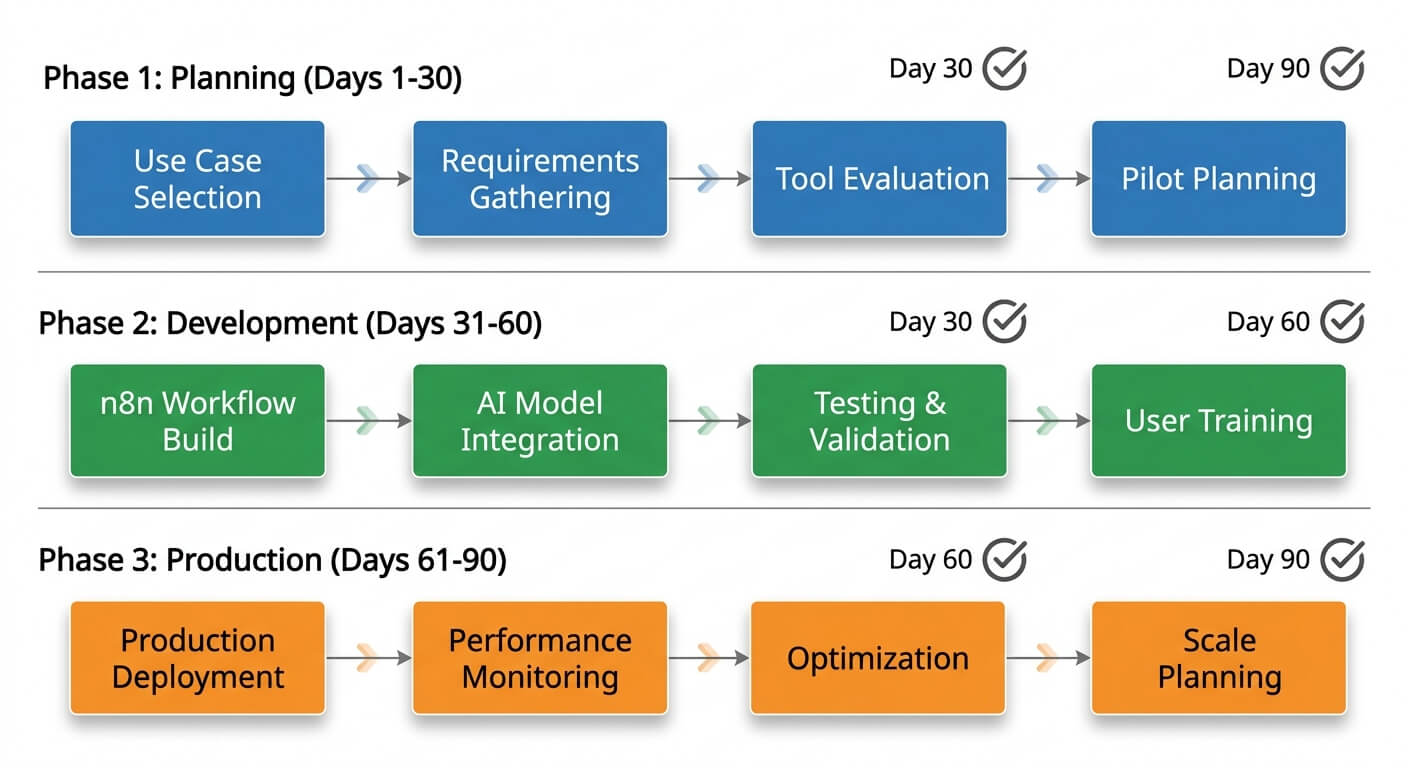
Developing AI automation strategy for your transcription workflow ensures maximum time savings. Consider how transcripts will be reviewed, who receives copies, and how action items get tracked. Without clear processes, transcription AI simply shifts administrative work rather than eliminating it.
Measuring the Time Savings
Quantifying the impact of transcription AI helps justify the investment and identifies areas for further optimisation. Start by tracking current time spent on meeting administration before implementing any automated solution.
For one week, log the time spent on post-meeting tasks: writing up notes, creating action item lists, drafting follow-up emails, and distributing summaries to team members. This baseline measurement reveals the true cost of manual processes and provides a benchmark for measuring improvement.
After implementing transcription AI, track the same metrics for comparison. Most small businesses find they can reduce post-meeting administration time by 60-80%, though the exact savings depend on meeting types and existing processes. Client consultation follow-ups might drop from 45 minutes to 10 minutes, while internal team meetings might require minimal post-processing entirely.
Beyond direct time savings, monitor secondary benefits that emerge from reduced administrative burden. Business owners often report improved meeting focus when they know comprehensive notes are being captured automatically. Team members participate more actively when they’re not simultaneously trying to write down every important point.
Client feedback provides another measurement dimension. Professional, comprehensive meeting summaries delivered promptly enhance perceived service quality and can differentiate your business from competitors who rely on handwritten notes or delayed follow-ups.
Beyond Basic Transcription
Modern transcription AI offers capabilities that extend well beyond converting speech to text. These advanced features can transform how small businesses manage client relationships and internal communications.
Sentiment analysis helps identify client concerns or team frustrations that might not be explicitly stated. If transcription software detects negative sentiment around specific topics, you can address issues proactively rather than waiting for problems to escalate.
Automated summarisation condenses lengthy discussions into key points and decisions. Instead of reviewing hour-long transcripts, team members receive focused summaries highlighting what they need to know and what actions they need to take. This feature proves particularly valuable for team members who couldn’t attend the original meeting.
Action item extraction identifies commitments, deadlines, and responsibilities automatically. Rather than manually scanning transcripts for tasks, the AI highlights these elements and can even integrate with project management tools or calendar applications.
Keyword and topic tracking across multiple meetings reveals patterns in client concerns, team discussions, or strategic themes. This analysis helps identify recurring issues that need systematic attention rather than case-by-case responses.
Integration with marketing automation systems allows meeting insights to inform customer relationship management. Client preferences, concerns, or requirements mentioned during meetings can automatically update CRM records, ensuring your marketing and sales efforts remain personalised and relevant.
Integration with Existing Workflows
Successful transcription AI adoption requires seamless integration with your current business processes rather than creating parallel administrative systems. The goal is enhancing existing workflows, not replacing them entirely.
Email integration represents the most immediate opportunity for efficiency gains. Transcription software that can automatically generate follow-up emails based on meeting content eliminates one of the most time-consuming post-meeting tasks. These emails should require minimal editing before sending, maintaining your personal communication style while reducing drafting time.
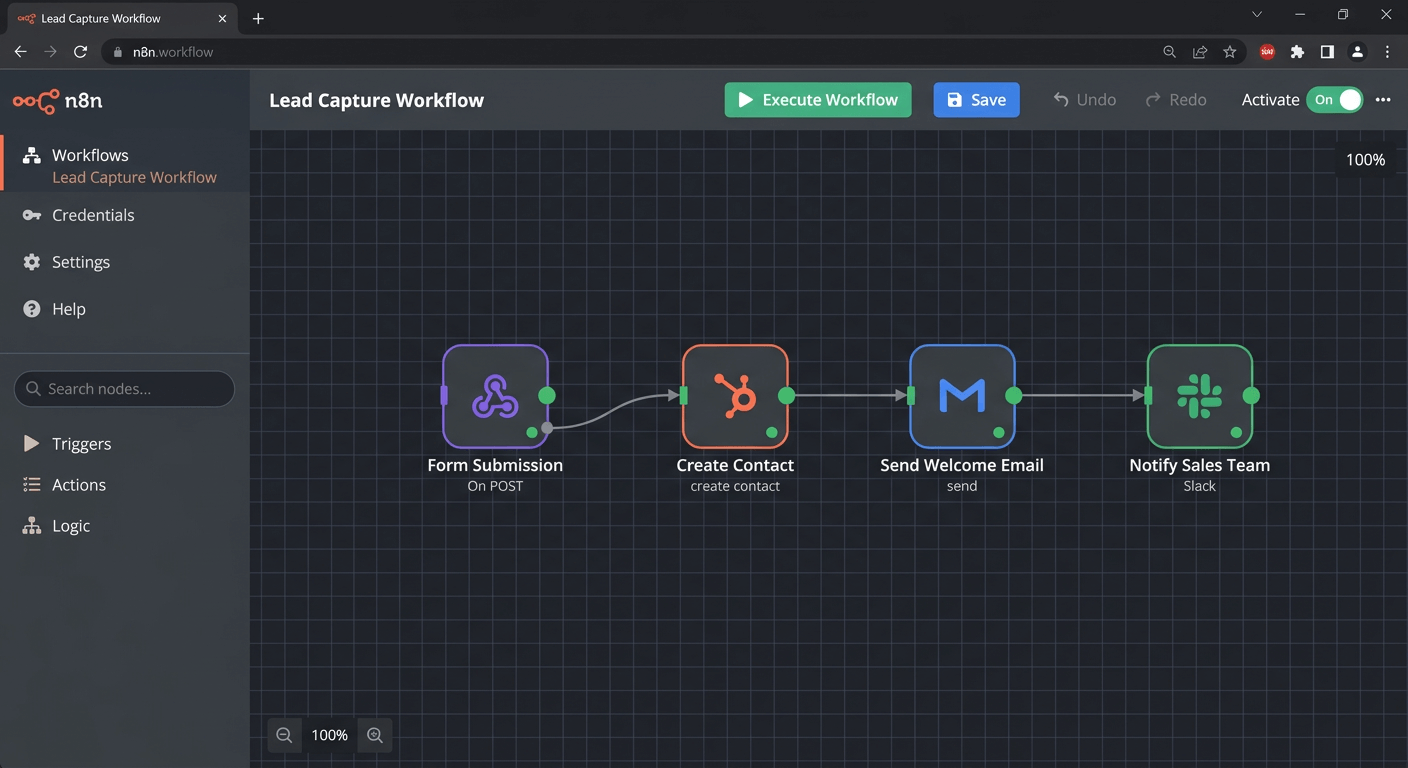
Project management integration ensures action items identified during meetings automatically appear in your existing task tracking systems. Whether you use simple to-do lists or comprehensive project management platforms, transcription AI should feed directly into these tools rather than creating separate task lists that need manual synchronisation.
Calendar integration helps schedule follow-up meetings, deadlines, or reminders based on commitments made during discussions. Advanced systems can even suggest optimal scheduling based on participant availability and project timelines mentioned in the transcript.
Document management becomes more efficient when transcripts are automatically filed in appropriate project folders or client records. This organisation ensures meeting records remain accessible for future reference without requiring manual filing or cross-referencing.
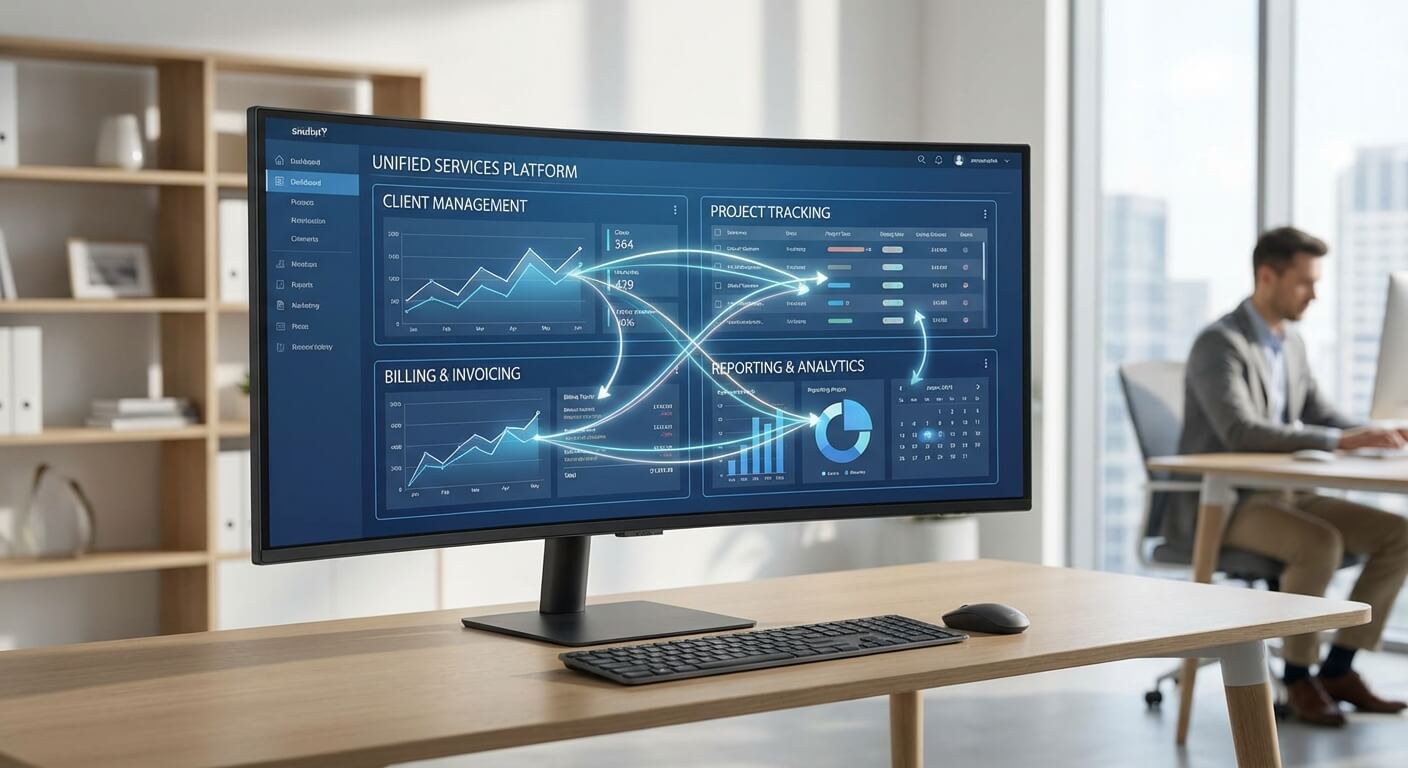
System integration expertise becomes valuable when connecting transcription AI with multiple business applications. The most significant time savings emerge when these tools work together seamlessly, creating a unified workflow that eliminates administrative friction.
Security and Privacy Considerations
Business meetings often contain sensitive information that requires careful protection when using transcription AI services. Understanding how these systems handle your data determines both legal compliance and competitive security.
Data processing location matters significantly for businesses handling client information or commercially sensitive discussions. Services that process audio locally on your devices offer better security than cloud-based solutions that upload recordings to external servers. However, local processing may sacrifice some accuracy or advanced features available through cloud-based analysis.
Retention policies determine how long transcription services store your audio recordings and generated transcripts. Some providers delete audio immediately after processing, whilst others retain recordings for specified periods. Choose services with retention policies that align with your business needs and regulatory requirements.
Access controls become critical when transcripts contain client information or strategic discussions. Ensure transcription platforms offer appropriate user permissions, allowing you to control who can view, edit, or share meeting records within your organisation.
Compliance requirements vary by industry and jurisdiction, but many businesses must consider regulations like GDPR when processing client conversations. Verify that your chosen transcription service provides necessary compliance documentation and data processing agreements.
Client consent represents an often-overlooked consideration when recording and transcribing meetings involving external parties. Establish clear protocols for informing clients about transcription and obtaining appropriate permissions before implementing automated recording.
Cost-Benefit Analysis for Small Businesses
Evaluating transcription AI requires comparing subscription costs against time savings and improved productivity rather than simply viewing it as an additional business expense.
Direct cost calculations start with your current time investment in meeting administration. If you spend eight hours monthly on post-meeting tasks, and your time is valued at $50 per hour, the opportunity cost totals $400 monthly. Transcription AI services typically cost $25-100 monthly for small business usage levels, creating substantial net savings even before considering secondary benefits.
Productivity improvements extend beyond direct time savings to include better meeting focus, improved follow-up consistency, and enhanced client communication quality. These factors contribute to business growth that’s harder to quantify but often more valuable than simple time savings.
Scaling considerations become important as your business grows. Manual meeting administration time increases proportionally with business activity, whilst transcription AI costs remain relatively stable. This scaling advantage becomes more pronounced as you handle more client meetings, team discussions, or partnership negotiations.
Competitive advantages emerge from professional, prompt follow-up communications that transcription AI enables. Clients notice when they receive comprehensive meeting summaries within hours rather than days, and this responsiveness can differentiate your business in competitive markets.
Return on investment typically becomes apparent within 2-3 months of implementation, assuming moderate meeting frequency and appropriate tool selection. Of the automation work I do, transcription tends to pay back fastest, because the cost is low and the time saved is immediate and obvious.
Optimising Your Transcription Workflow
Maximising the benefits of transcription AI requires ongoing refinement of your processes rather than simply installing software and expecting immediate transformation.
Meeting structure improvements can significantly enhance transcription accuracy and usefulness. Encourage participants to speak clearly, avoid interrupting each other, and state their names when joining discussions. These small changes improve transcript quality without making meetings feel artificial or overly formal.
Template development for different meeting types ensures consistent output formatting. Client consultation transcripts might emphasise project requirements and timelines, whilst team meetings focus on action items and deadlines. Customising transcription output for specific purposes reduces post-processing time and improves usability.
Quality review processes help maintain accuracy whilst minimising time investment. Rather than proofreading entire transcripts, focus on verifying action items, commitments, and client-specific details that require precision. Most conversational content can remain unedited whilst still providing valuable reference material.
Team training ensures everyone understands how to maximise transcription effectiveness. This includes technical aspects like microphone positioning and speaking techniques, as well as process elements like reviewing transcripts efficiently and extracting actionable insights.
Continuous improvement comes from regularly evaluating which meetings benefit most from transcription and which might be handled differently. Some discussions might be more effective as brief check-ins without transcription, whilst others might benefit from additional AI analysis like sentiment tracking or topic categorisation.
Process optimisation expertise helps identify opportunities to streamline your entire meeting workflow, from scheduling through follow-up execution. The goal is creating systems that consistently deliver professional results whilst minimising administrative overhead.
Future-Proofing Your Investment
Choosing transcription AI solutions requires considering not just current needs but how your business will evolve and what technological capabilities will become available.
Technology advancement in transcription AI continues rapidly, with improvements in accuracy, language support, and analytical capabilities released regularly. Select providers that demonstrate consistent innovation and offer upgrade paths rather than treating transcription as a solved problem.
Business growth considerations include how transcription costs and capabilities scale with increased meeting volume, team size, and operational complexity. Solutions that work well for five-person teams might become inadequate or prohibitively expensive as you expand to fifteen or twenty team members.
Integration evolution means choosing platforms that can connect with new business applications you might adopt. Rather than selecting standalone transcription tools, prioritise solutions that offer APIs or integration frameworks that support future connectivity requirements.
Industry-specific features may become important as your business specialises or expands into new market segments. General-purpose transcription works well initially, but you might eventually benefit from industry-specific terminology recognition or compliance features.
The transcription AI environment will continue evolving, but the fundamental value proposition remains constant: converting time spent on administrative tasks into time available for revenue-generating activities. Small businesses that establish effective transcription workflows now will be better positioned to take advantage of future enhancements without disrupting established processes.
Getting the foundation right means focusing on accuracy, integration, and team adoption rather than chasing the most advanced features available today. Once your transcription workflow operates smoothly, you can evaluate new capabilities against concrete productivity metrics rather than theoretical benefits.
The meeting time tax affects every small business owner who values their time and wants to focus on growth rather than administration. Transcription AI offers a practical solution that delivers immediate time savings whilst improving the quality of your client communications and team coordination. The question isn’t whether this technology can help your business, but how quickly you can implement it effectively.
Frequently Asked Questions
What accuracy rate should I expect from transcription AI?
Professional transcription AI services typically achieve 95-98% accuracy for clear audio with standard accents and minimal background noise. Accuracy depends on audio quality, speaker clarity, and industry-specific terminology. Free alternatives often deliver 85-90% accuracy, which may require substantial editing time. Testing solutions with your actual meeting recordings helps determine real-world performance for your specific use case.
How does transcription AI handle multiple speakers in meetings?
Modern transcription systems identify different speakers through voice pattern recognition and can label each speaker’s contributions separately in the transcript. This speaker diarisation works best when participants speak clearly and avoid talking over each other. Some systems allow you to assign names to identified speakers, creating fully attributed meeting records that show who said what throughout the discussion.
Can transcription AI integrate with my existing business software?
Most business-grade transcription platforms offer integrations with popular tools like Microsoft Office, Google Workspace, Slack, and project management systems. Integration capabilities vary significantly between providers, so verify compatibility with your essential business applications before purchasing. API access enables custom integrations for businesses with specialised workflow requirements or proprietary systems.
What happens to my meeting recordings after transcription?
Data retention policies vary by provider. Some services delete audio files immediately after transcription, whilst others store recordings for 30-90 days or indefinitely. Choose services with retention policies matching your compliance requirements and security preferences. Local processing options keep recordings on your devices rather than uploading them to external servers, offering enhanced privacy for sensitive discussions.
How long does it take to see ROI from transcription AI?
Small businesses typically achieve positive return on investment within 2-3 months of implementation, assuming regular meeting activity. Initial ROI comes from direct time savings on post-meeting administration, whilst longer-term benefits include improved client communication quality and enhanced team productivity. Calculate your current time investment in meeting administration to estimate specific payback periods for your business situation.
What is the “Meeting Time Tax” for small businesses?
The “Meeting Time Tax” refers to the hidden administrative overhead generated by meetings, such as writing notes, distributing action points, and sending follow-up emails. This work often extends beyond the meeting itself, consuming valuable time that could be spent on revenue-generating activities or personal life, costing small businesses significantly in lost productivity and opportunity.
How much does manual meeting administration cost a small business annually?
Manual meeting administration can cost a small business significantly. The article suggests that if a business owner’s time is valued at $60 per hour, and they spend six hours weekly on post-meeting tasks, this equates to an opportunity cost of $400 per week. Annually, this hidden workload totals approximately $20,000, diverting valuable resources from core business growth.
Can Transcription AI distinguish between different speakers in a meeting?
Yes, modern transcription AI systems are designed with advanced algorithms that can recognise and differentiate individual